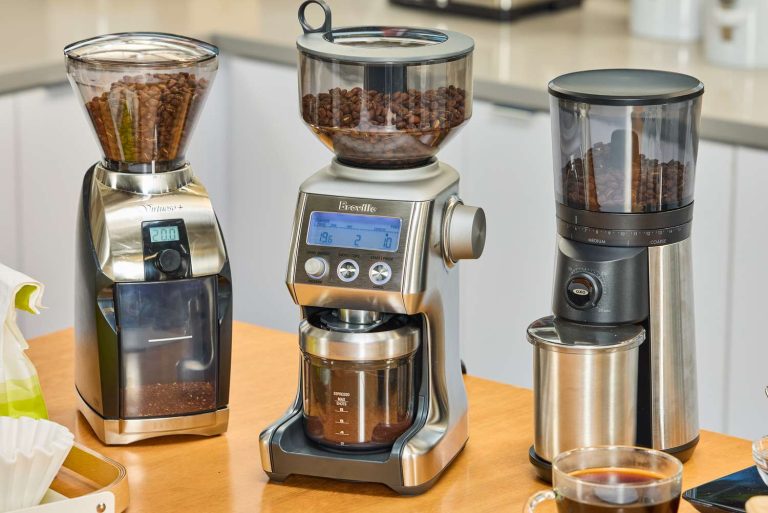
What Makes A Good Coffee Grinder: Essential Buyer Guide


A good coffee grinder gives steady grind size, low heat, precise dosing, and easy cleaning.
I’ve spent years testing grinders for home and shop use, and I can tell you exactly what makes a good coffee grinder. This guide breaks down the technical must-haves and the everyday features that matter. Read on for clear, practical advice so you can pick the right grinder and brew better coffee at home.
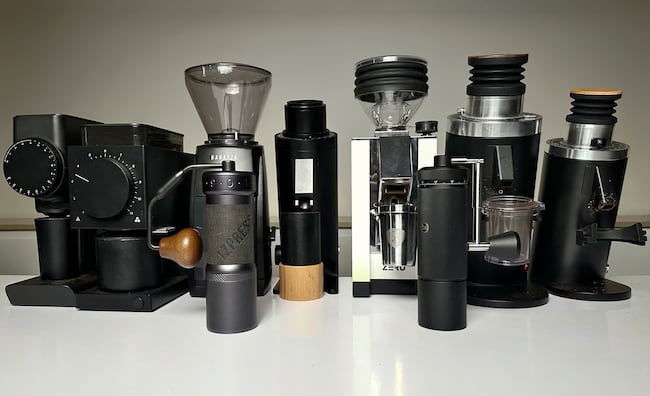
Why grind quality matters
A grinder is where coffee begins. If the grind is uneven, your coffee will taste sour or bitter. What makes a good coffee grinder is its ability to create consistent particles that match your brew method. Consistency improves extraction and turns good beans into great cups.

Core features that define what makes a good coffee grinder
What to look for when you compare models.
- Consistent grind size and minimal fines. Even particles extract more evenly.
- Burr grinders instead of blade grinders. Burrs cut, blades chop.
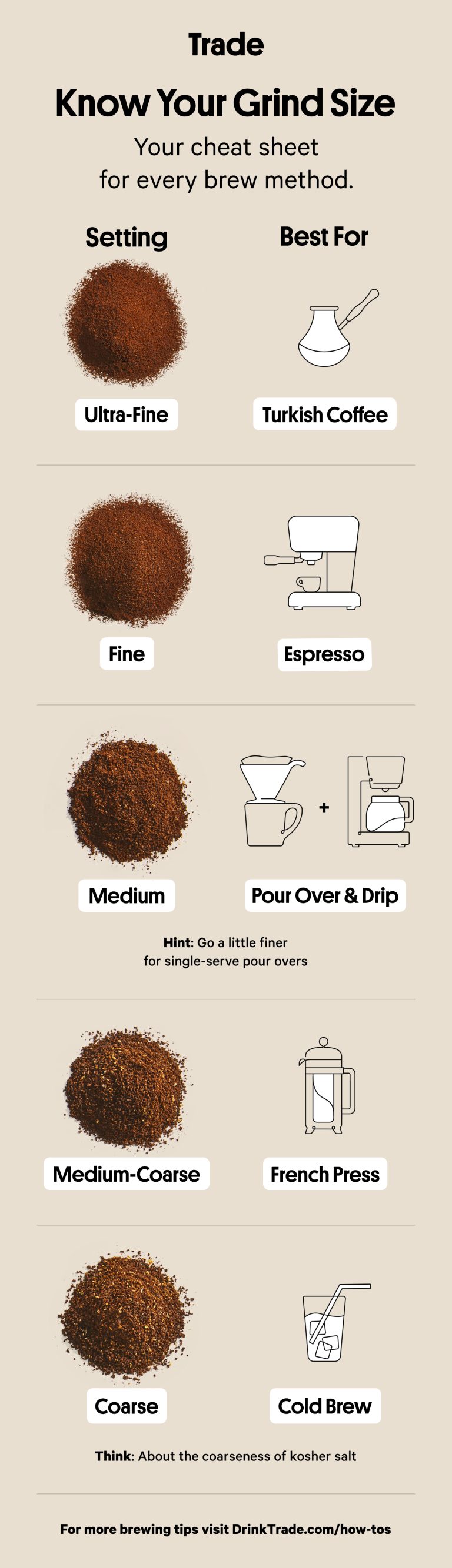
- Wide range of grind settings. From fine espresso to coarse French press.
- Low retention so you don’t waste beans or cross-flavor between roasts.
- Durable burr material and stable motor to keep consistency over time.
- Easy cleaning and accessible parts. Regular cleaning preserves taste.
- Precise dosing or timed dosing for repeatable results.
What makes a good coffee grinder comes down to these points working together. If a grinder nails most of them, it will make better coffee and last longer.
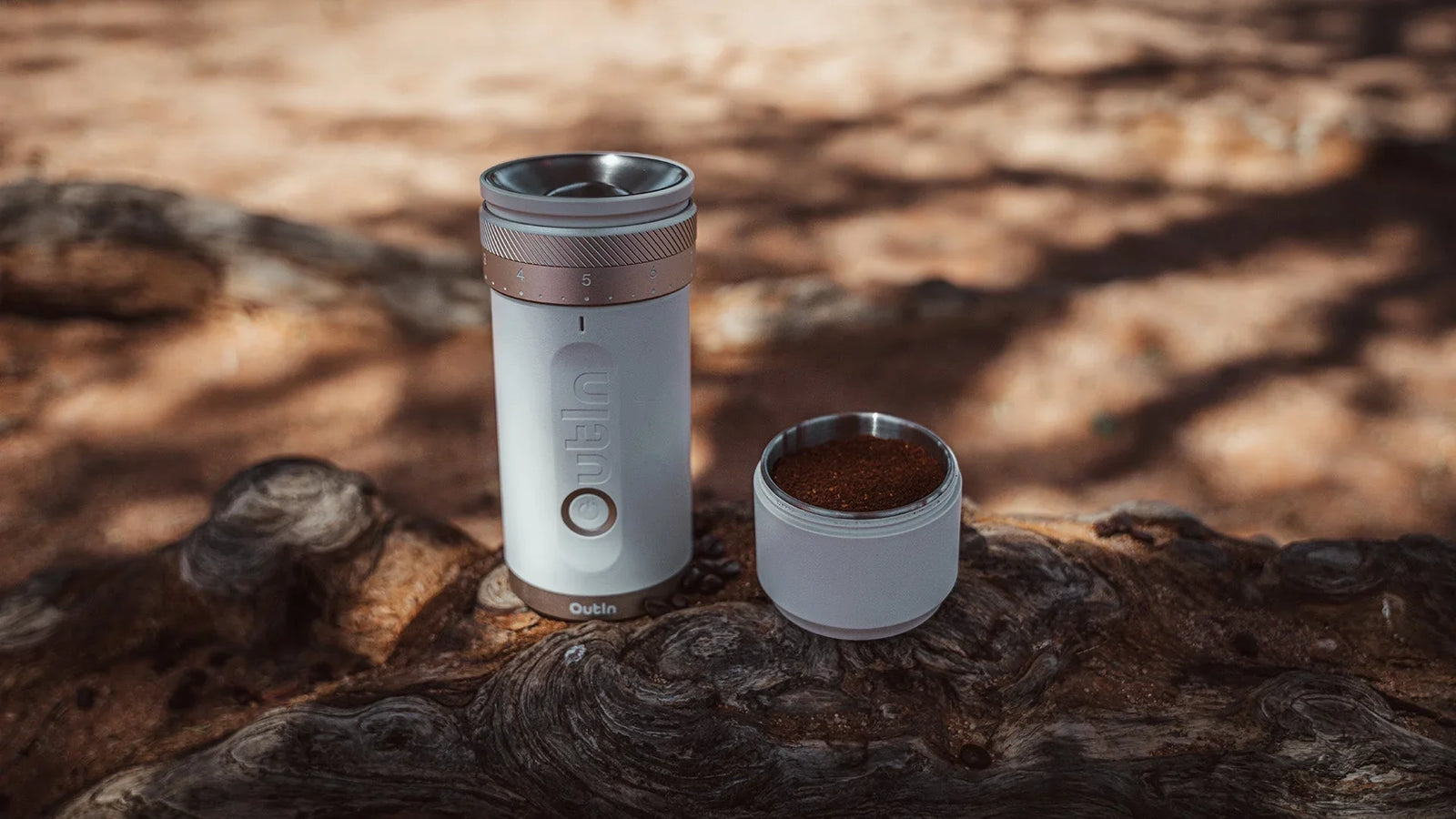
Burr types: ceramic versus steel
Burr type affects durability and taste.
- Steel burrs: Tough, sharp, and heat-resistant. They cut cleanly and last long with proper care.
- Ceramic burrs: Wear-resistant and gentle on beans. They can be more fragile and chip if misused.
Both kinds can make excellent grinds. What makes a good coffee grinder is less about ceramic or steel and more about the burr design, alignment, and build quality.

Grind size consistency and distribution
Consistency is the single most important trait.
- Uniform particle size ensures even extraction. That means fewer sour or bitter notes.
- Low fines and low boulders reduce over- and under-extraction.
- Testing: grind some beans and tap them on a white plate. Look for a narrow spread of particle sizes.
A grinder that produces consistent grounds every time is a grinder that meets the core question: what makes a good coffee grinder.

Adjustability, settings, and the user interface
How easy it is to get the right grind.
- Stepped vs stepless settings. Stepless allows micro-adjustments for espresso. Stepped is easier for quick, repeatable settings.
- Clear markings and tactile clicks help dial in grind size fast.
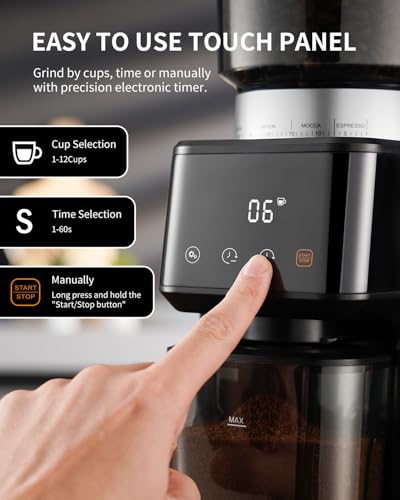
- Dosing options: timed grind, weight-based dosing, or manual dosing each suit different users.
- User-friendly controls reduce frustration and speed up brewing.
The best grinders balance fine control with a simple interface. That is a key part of what makes a good coffee grinder for daily use.

Motor speed, heat, and retention
Power matters, but heat is the enemy.
- RPM and torque: Higher torque handles beans with ease; too high RPM can heat the beans.
- Heat transfer changes flavor by accelerating extraction. Low-speed or gear-reduced motors help.
- Grind retention: The less coffee stuck inside the grinder, the fresher each dose will be.
Choosing a grinder with good motor design and low retention directly answers what makes a good coffee grinder for flavor clarity and consistency.

Build quality, durability, and maintenance
Longevity reduces cost and improves reliability.
- Metal housings and quality internals last longer than plastic shells.
- Burr alignment and durable shafts prevent wobble and uneven wear.
- Replaceable burrs: Easy to swap when worn extends the grinder’s life.
- Cleaning: Removable burrs and simple access points make routine cleaning fast.
A durable grinder with simple maintenance routines shows you what makes a good coffee grinder for long-term value.

Choosing by brew method
Match grind performance to how you brew.
- Espresso: Very consistent fine grind, low retention, and stepless adjustments are ideal.
- Pour-over: A wide range of medium-fine settings and stable extraction work best.
- French press: Coarse, even particles with minimal fines give cleaner cups.
- AeroPress: Versatile grinders with quick re-adjustment fit varied recipes.
Think about your usual brew first. Knowing how you brew helps define what makes a good coffee grinder for your needs.

Budget, prosumer, and commercial options
Where to spend and where to save.
- Budget grinders: Good for entry-level; often blade or small burrs. Accept trade-offs in consistency.
- Prosumer grinders: Better burr size, motor, and build. These hit the sweet spot for home enthusiasts.
- Commercial grinders: Built for volume and durability; great if you brew many cups daily.
Decide how much you grind and how picky you are. That will guide which features matter most and show what makes a good coffee grinder for your life.
Personal experience: lessons learned and tips
What I learned testing many grinders.
I once bought a cheap burr grinder that looked great on paper. It had poor burr alignment and produced mixed particles. After switching to a mid-range prosumer grinder, shots tasted cleaner and more consistent. Key lessons:
- Prioritize burr quality and alignment over fancy features.
- Clean your grinder weekly for best flavor.
- Use weight-based dosing when possible for repeatability.
- Try small grind adjustments; tiny changes often make big taste differences.
These practical tips show what makes a good coffee grinder in everyday use.
People also ask
Q: Can a blade grinder make good coffee?
A: Blade grinders chop unevenly and create mixed particle sizes. They can work for a quick drip coffee, but they rarely match a burr grinder for taste.
Q: How often should I clean my grinder?
A: Clean the hopper and burrs every 1–2 weeks with a brush. Do a deeper cleaning monthly or with oily beans to avoid buildup.
Q: Does burr size matter?
A: Yes. Larger burrs grind faster and often more consistently. Larger burrs are common in prosumer and commercial grinders.
Q: Is low retention always better?
A: Generally yes. Low retention means fresher doses and less flavor carryover. Some high-volume setups accept higher retention for convenience.
Q: Do expensive grinders always make better coffee?
A: Not always. Price often buys build quality and control, but the best value depends on your brew method and habits.
Frequently Asked Questions of what makes a good coffee grinder
What makes a good coffee grinder for espresso?
A good espresso grinder has tight, consistent fine settings, low retention, and stepless adjustment so you can micro-tune shots.
How important is grind consistency?
Very important. Consistency yields even extraction and clearer flavor. Inconsistent grinds create sour and bitter notes.
Should I choose ceramic or steel burrs?
Either can be excellent. Steel is durable and precise; ceramic resists wear. Choose based on durability needs and price.
How much should I spend for a reliable home grinder?
Expect to invest a bit for consistent results. A solid home grinder often sits in the mid-range price bracket, balancing quality and value.
Can I upgrade my grinder later?
Yes. Many users start with an affordable burr grinder and upgrade once they demand finer control or greater consistency. Upgrading burrs or getting a prosumer model improves performance quickly.
Conclusion
A good coffee grinder balances consistency, low heat, precise dosing, easy maintenance, and durable build. Match those traits to your brew method and budget, and you’ll brew noticeably better coffee. Start by prioritizing burr quality and grind control, then test small adjustments to find the sweet spot.
Ready to upgrade your grind? Try one small change today—clean your grinder, weigh a dose, or test a new setting—and taste the difference. Leave a comment with your grinder story or questions, and subscribe for more practical coffee tips.