How To Grind Coffee Beans Properly: Perfect Grind Each Time


Fresh, consistent grind tailored to your brew method yields the best flavor every time.
I’ve spent years dialing in coffee at home and in small cafes, so I know how to grind coffee beans properly matters more than bean origin or roast for everyday brewing. This guide walks you step-by-step through choosing a grinder, matching grind size to your brew, grinding for consistency, and avoiding common mistakes. Read on for practical tips, real-world tests, and clear instructions so you can grind coffee beans properly and enjoy better coffee every morning.
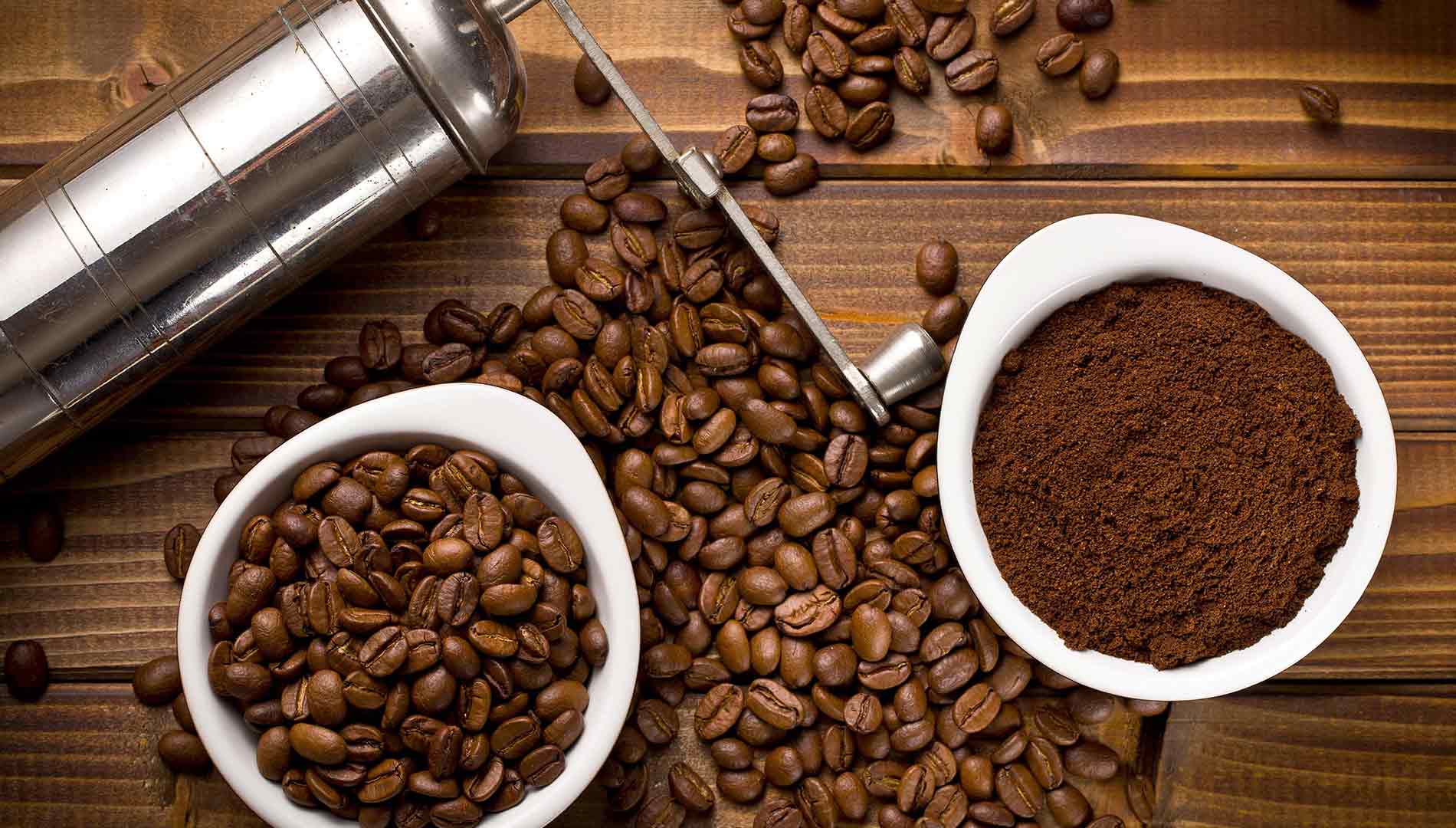
Why grind size matters and how to grind coffee beans properly for better flavor
Grind size controls extraction. Too fine and you over-extract bitter flavors. Too coarse and the coffee tastes sour or weak. Learning how to grind coffee beans properly means matching grind size to your brew method and controlling time, temperature, and dose for balanced taste.
A consistent grind gives even extraction. Consistency reduces channeling in espresso and prevents under-extraction in pour-over. When I switched from a blade grinder to a burr grinder, the difference in cup clarity was immediate. That experience taught me why learning how to grind coffee beans properly is the single easiest upgrade for better coffee.
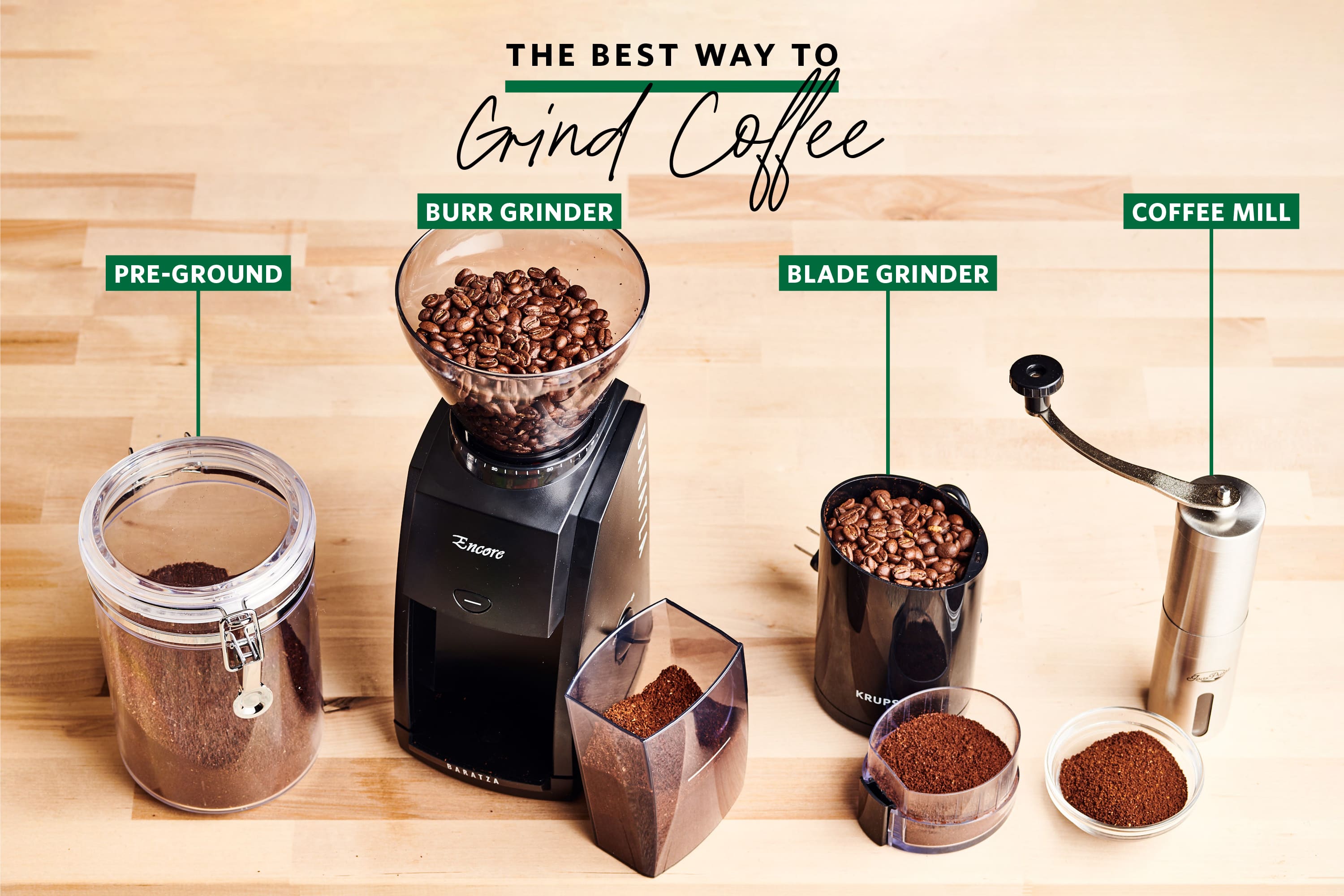
Types of grinders and which to choose when learning how to grind coffee beans properly
There are three common options: blade, burr (flat or conical), and manual hand grinders. Each has trade-offs in cost, consistency, and speed.
- Blade grinders
- Cheap and fast.
- Produce uneven particle sizes, which makes it hard to grind coffee beans properly for precision brewing.
- Burr grinders
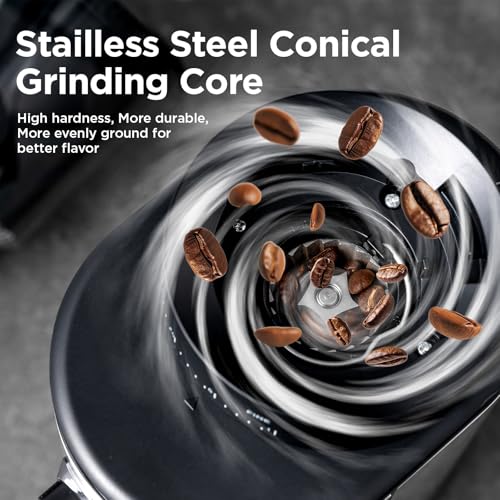
- Electric or manual. Offer uniform particle sizes.
- Best choice for consistently learning how to grind coffee beans properly across espresso, drip, and immersion methods.
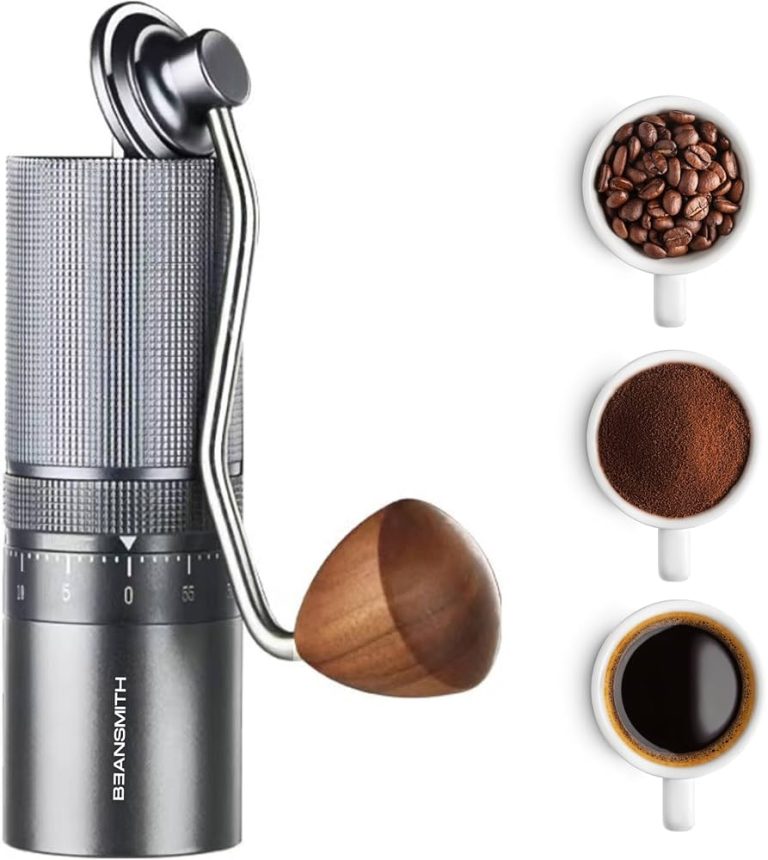
- Manual hand grinders
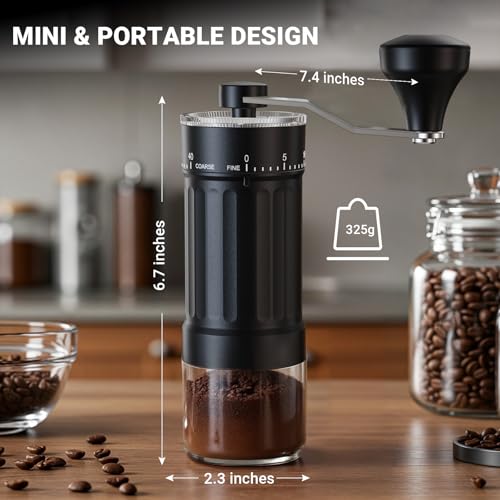
- Affordable and portable.
- Good for travel or single-origin pour-overs if you learn grind adjustment.
If you want to grind coffee beans properly for espresso and specialty brewing, choose a quality burr grinder. For basic drip coffee, a mid-range burr works well. I recommend saving for a burr grinder if you brew coffee daily; it pays off in flavor and control.

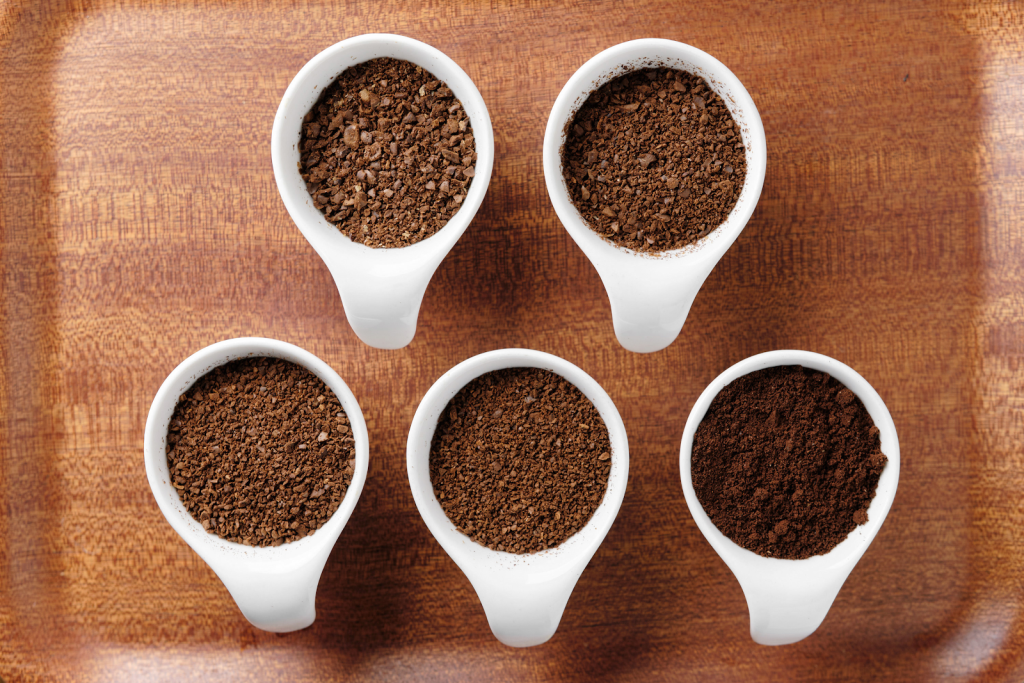
Grind sizes and brewing methods: a quick reference to grind coffee beans properly
Match grind to brew. This ensures proper extraction and flavor balance.
- Extra coarse
- Use for cold brew and cowboy coffee.
- Big chunks; long contact time.
- Coarse
- Use for French press and percolator.
- Visible, pebble-like particles help avoid over-extraction.
- Medium-coarse
- Use for Chemex and some drip brewers.
- Slightly smaller than coarse for balanced extraction.
- Medium
- Use for most drip coffee makers and AeroPress (short brew).
- A versatile all-purpose grind when you want to grind coffee beans properly without fuss.
- Medium-fine
- Use for pour-over V60 and some Aeropress recipes.
- A bit smoother; extract faster.
- Fine
- Use for espresso machines.
- Very small particles; high pressure and short extraction time.
- Extra fine
- Use for Turkish coffee.
- Powder-like; requires specialized equipment.
PAA-style question: What grind is best for pour-over?
- For pour-over, use medium-fine to medium depending on brew speed and filter type.
PAA-style question: Can I grind coffee beans properly without a burr grinder?
- You can, but a burr grinder gives much better and more repeatable results, so aim to upgrade if possible.
Step-by-step: how to grind coffee beans properly every time
Follow these steps to get consistent results. Keep the process simple and repeatable.
- Measure your beans
- Use a scale, not scoops. Weigh beans fresh each brew.
- Start with a common ratio: 1 gram of coffee to 15–17 grams of water for drip. Adjust to taste.
- Choose the right grind size
- Pick a grind that matches your method (see previous section).
- If coffee tastes sour, go finer. If bitter, go coarser.
- Set and test the grinder
- Set coarse to fine in small steps. Note settings each time.
- Grind a test dose and brew a small cup to taste.
- Grind just before brewing
- Grind immediately before brew to maximize aroma and flavor.
- Avoid grinding hours ahead unless storing in airtight container is needed.
- Dose and brew consistently
- Keep time, temperature, and agitation consistent between tests.
- Record changes to learn how grind affects flavor.
Practical tip from my experience: when I was dialing in an espresso, I changed the grind by one step and adjusted dose slightly. Small moves yield big changes. Learning how to grind coffee beans properly is mostly about small, consistent tweaks and good note-taking.
Common mistakes and troubleshooting when you try to grind coffee beans properly
Avoid these pitfalls to get the best cup.
- Using a blade grinder
- Creates uneven particles. The result is inconsistent extraction.
- Grinding too much at once
- Coffee loses aroma quickly. Grind for each brew when possible.
- Ignoring dose and brew time
- Grind size is only one factor. Dose and time matter equally.
- Not tasting and adjusting
- If your cup is sour, go finer. If it’s bitter, go coarser.
- Assuming one grind fits all beans
- Different beans and roasts behave differently. Adjust accordingly.
Real-life lesson: I once blamed a stale bean for a bitter cup. After a test, I found the grinder setting had drifted finer. Resetting it fixed the taste. This is a common reason people struggle to grind coffee beans properly.

Maintenance, cleaning, and storing beans to keep grinding coffee beans properly
Care extends grinder life and preserves flavor. A few minutes of upkeep prevents big problems.
- Daily
- Wipe hopper and dosing area to remove oil buildup.
- Weekly
- Empty hopper and brush out burrs. Run a small amount of beans to clear residues.
- Monthly
- Deep clean burrs per manufacturer instructions.
- Storing beans
- Keep beans in an opaque, airtight container at room temperature.
- Buy small amounts and use within 2–3 weeks of roast for best results.
I learned to clean my burrs monthly after noticing greasy clumps. Cleaning kept grind consistency stable and helped me grind coffee beans properly for every cup.
Frequently Asked Questions of how to grind coffee beans properly
How fine should I grind for espresso?
Espresso needs a fine grind, almost like table salt. Adjust in small steps until the shot extracts in about 25–30 seconds.
Can I use a blade grinder to grind coffee beans properly?
You can, but blade grinders create uneven particles. For consistent results and better flavor, use a burr grinder.
How long before brewing should I grind coffee beans properly?
Grind immediately before brewing for best aroma and flavor. If needed, store ground coffee in an airtight container for short periods only.
How do I adjust grind size if my coffee tastes bitter or sour?
If coffee tastes bitter, try a coarser grind. If it tastes sour, go finer. Make one small change at a time and note the result.
Is freshly roasted coffee worth adjusting grind for?
Yes. Fresh roasts often need a finer setting as they degas. Always taste and dial in grind for each new roast.
Conclusion
Grinding coffee beans properly transforms average coffee into a cup you look forward to. Focus on choosing the right grinder, matching grind size to brew, measuring dose, and tasting to refine your settings. Start small: weigh beans, set a grind, brew, and tweak by tiny steps until you get a cup you love.
Try one change this week: pick a single brew method and improve your grind consistency. If this guide helped, leave a comment with your grinder model and results, or subscribe for more tips on brewing better coffee.