What Grind Size For Different Brewing Methods: Cheat Sheet

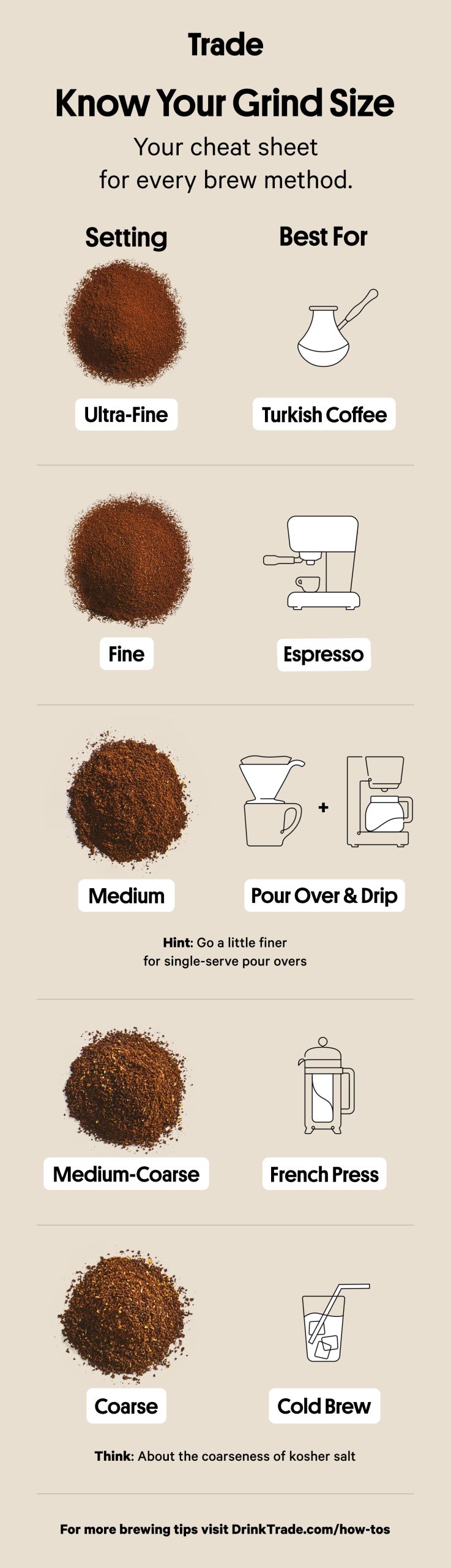
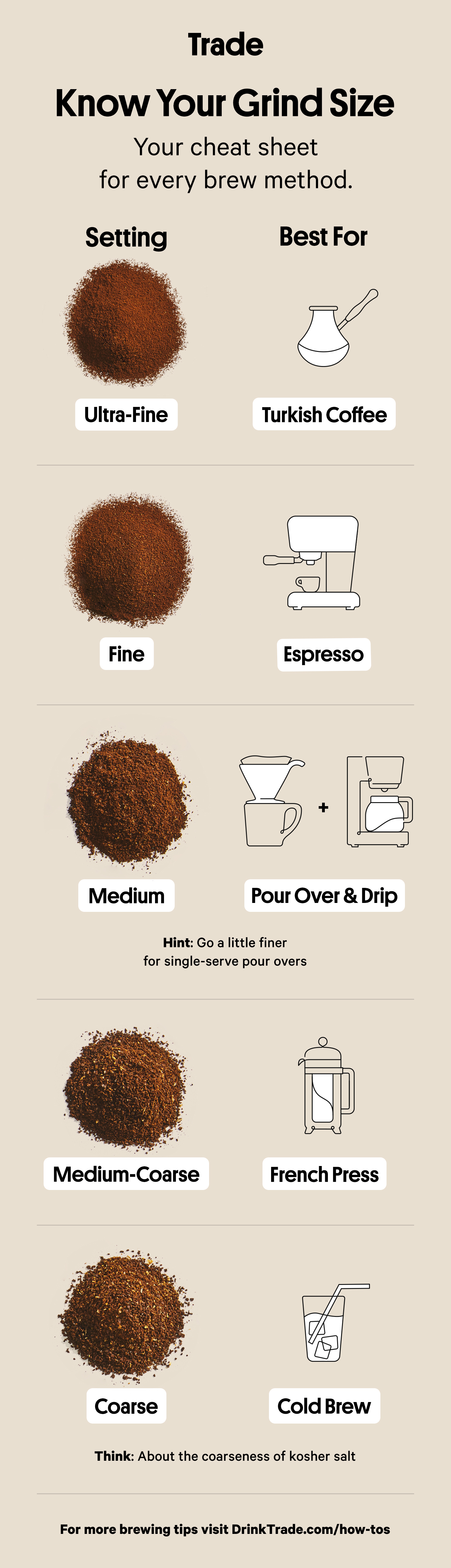
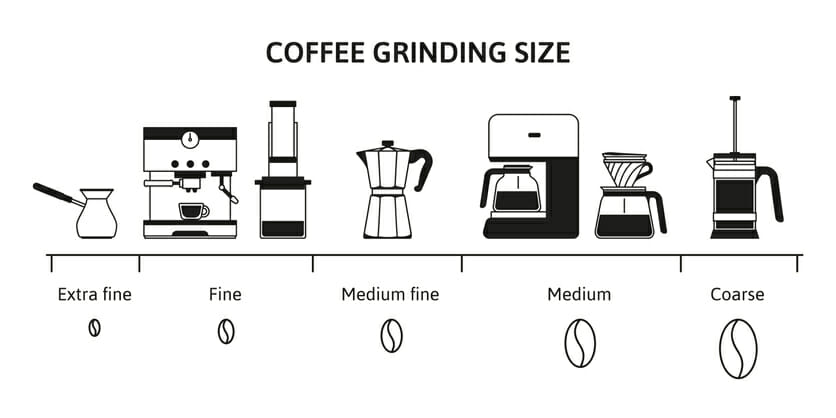
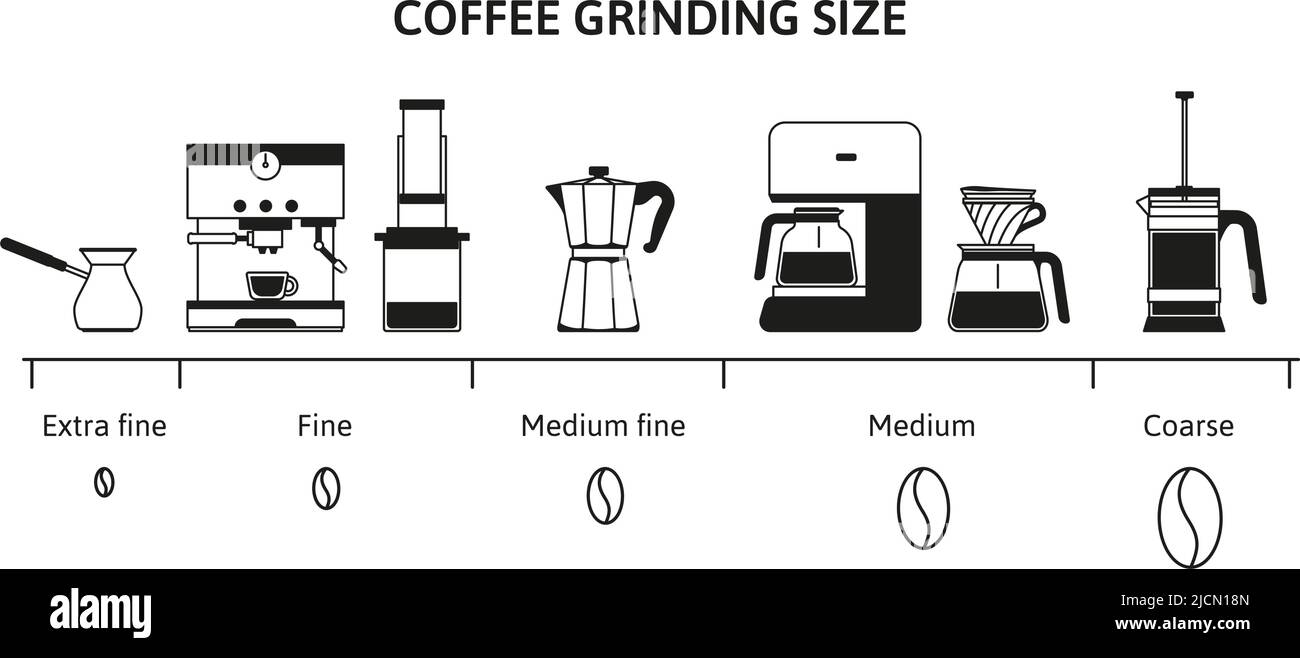
Grind size depends on method: coarse for French press, medium for drip, fine for espresso, extra-fine for Turkish.
I’ve spent years testing grinders and brewers to master what grind size for different brewing methods really means. This guide breaks down exact grind levels, why they matter, and practical tips to help you brew better coffee at home. I’ll share clear settings, taste cues, and simple experiments so you can dial in grind size fast and confidently.

Why grind size matters
Grind size controls how fast water extracts flavor from coffee. Smaller particles extract faster. Larger particles extract slower. Change the grind and you change the taste.
- Under-extracted coffee tastes sour and thin.
- Over-extracted coffee tastes bitter and hollow.
- The right grind produces balance, clarity, and body.
Knowing what grind size for different brewing methods helps you match extraction time to the brew method. That makes each cup taste its best.
Grind size spectrum and common terms
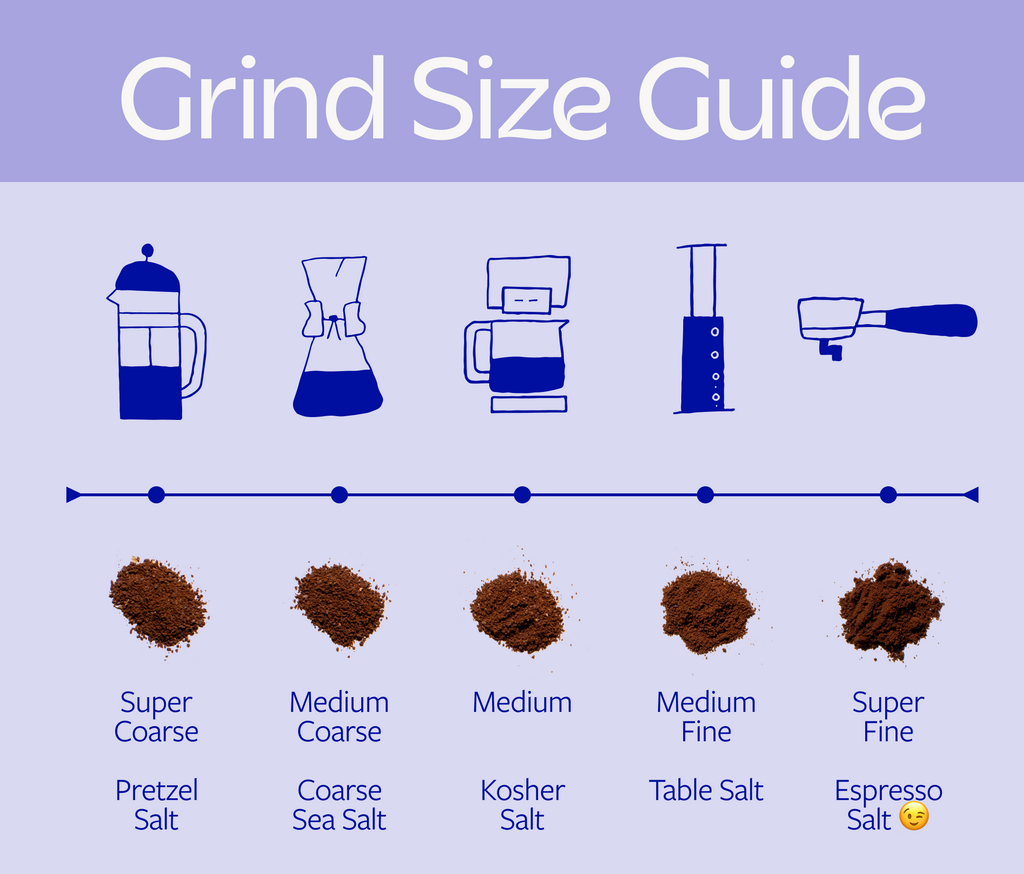
Coffee grinds fall on a simple scale. Use these terms to match grind to brew.
- Extra-coarse: like peppercorns. Used for cold brew and cowboy coffee.
- Coarse: like sea salt. Used for French press and percolator.
- Medium-coarse: like rough sand. Good for Chemex with thick filters.
- Medium: like regular sand. Common for drip machines and AeroPress (short brews).
- Medium-fine: between sand and table salt. Used for pourover and some AeroPress recipes.
- Fine: like sugar. Used for espresso and moka pot.
- Extra-fine: like powdered sugar. Used for Turkish coffee.
When someone asks what grind size for different brewing methods, use these terms and then tweak by taste. Small changes can shift flavor a lot.

Recommended grind sizes for popular brewing methods
Below are practical grind suggestions, brew time ranges, and quick tips for each method. Use them as starting points.
French press
- Grind: Coarse (sea salt)
- Brew time: 4 minutes
- Tip: Use a consistent coarse grind to avoid silt and bitterness. Stir once, then press slowly.
Cold brew
- Grind: Extra-coarse (peppercorns)
- Brew time: 12–24 hours (cold steep)
- Tip: Coarse grind reduces over-extraction during long steeps. Filter well to remove sediment.
Pour-over (V60, Kalita)
- Grind: Medium-fine to medium (fine sand to table salt)
- Brew time: 2.5–4 minutes total
- Tip: Grind slightly finer for more body, coarser for more clarity. Adjust to recipe and filter type.
Chemex
- Grind: Medium-coarse (rough sand)
- Brew time: 3.5–4.5 minutes
- Tip: Thick filters slow flow. Use slightly coarser grind than V60 for balanced extraction.
Drip coffee maker (electric)
- Grind: Medium (regular sand)
- Brew time: 4–6 minutes
- Tip: Use a consistent medium grind to match machine drip speed. Avoid too fine grinds that clog filters.
AeroPress
- Grind: Medium-fine to fine (depends on recipe)
- Brew time: 0.5–2 minutes
- Tip: AeroPress is flexible. For espresso-like shots use fine and short pressure. For lighter brews use medium.
Espresso
- Grind: Fine (table sugar)
- Brew time: 18–30 seconds (for a standard shot)
- Tip: Small changes in grind have big effects. Dial in for 25–30 ml output from 18–20 g dose.
Moka pot
- Grind: Fine to medium-fine (sugar to slightly coarser)
- Brew time: 3–5 minutes on stove
- Tip: Avoid ultra-fine that clogs; avoid too coarse that makes weak coffee.
Turkish coffee
- Grind: Extra-fine (powder)
- Brew time: short simmer
- Tip: Grind must be almost flour-like. It suspends in water; no filter used.
Siphon (vacuum)
- Grind: Medium (slightly finer than drip)
- Brew time: 1–2 minutes active brew
- Tip: Favor clarity and aroma. Slightly finer grind helps extraction during short contact time.
When considering what grind size for different brewing methods, remember these are starting points. Change one variable at a time to find your sweet spot.
How to dial in grind size: a simple workflow
Follow these steps to find the ideal grind for your brew.
- Start with the recommended grind from this guide.
- Brew a test cup and taste it black.
- If sour or weak: grind finer to increase extraction.
- If bitter or astringent: grind coarser to reduce extraction.
- Make small adjustments, 10–20% at a time, especially for espresso.
Practical tip from my experience: I change grind size more often than dose. A small burr wear or new roast changes grind behavior. Test weekly if you brew daily.

Grinder types and their impact
Your grinder matters a lot. It changes consistency and how easy it is to repeat settings.
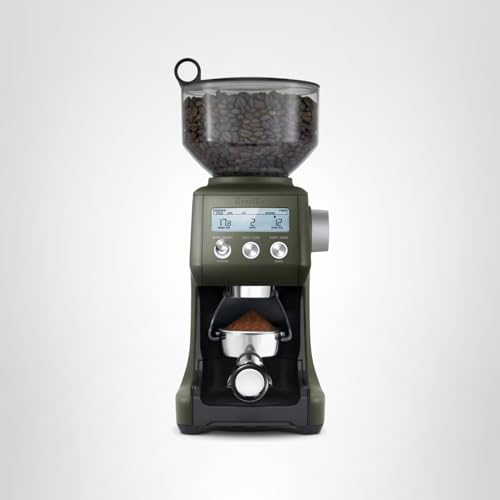
- Burr grinders: Best for consistency. Choose flat or conical burrs.
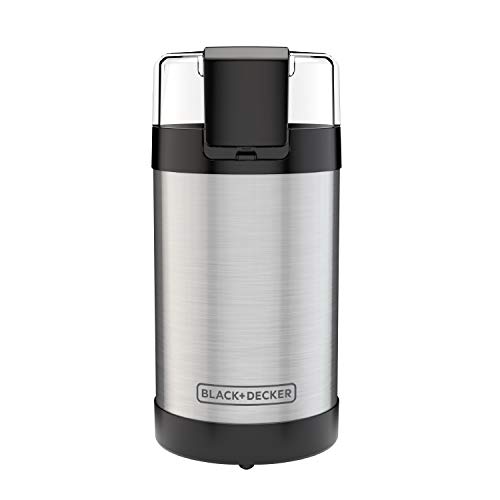
- Blade grinders: Inconsistent particle size. Not ideal for reliable extraction.
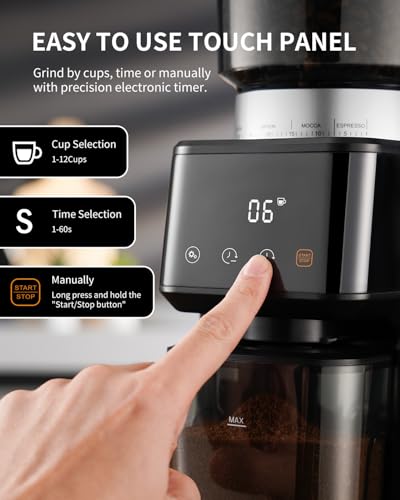
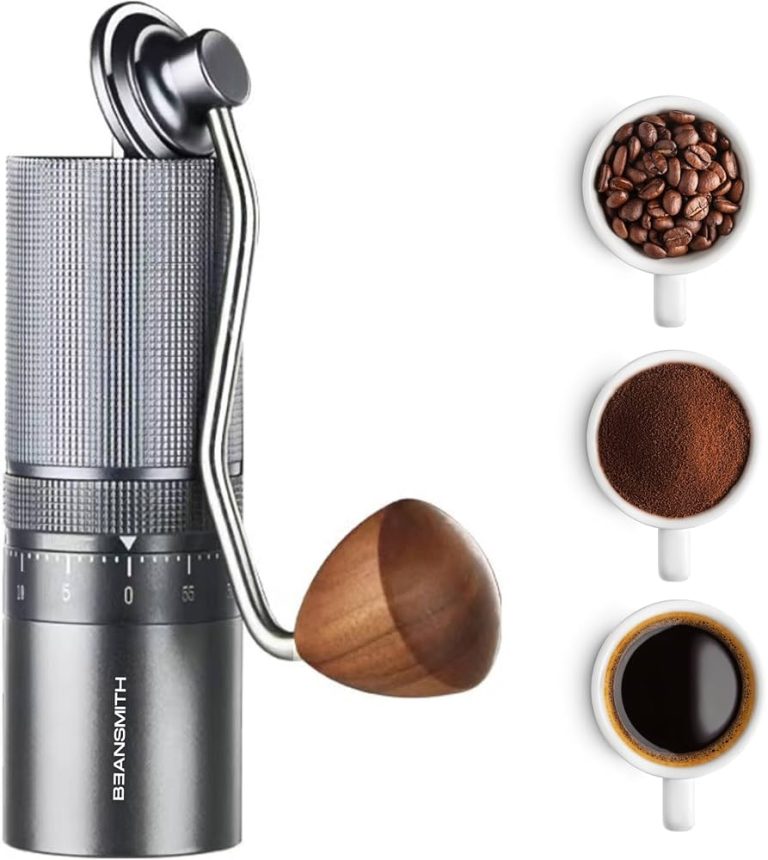
- Manual vs electric: Manual grinders can be precise and cheaper. Electric grinders are faster and consistent for daily use.
- Dosing: Use a scale for beans and shot output. Keep settings noted so you can repeat results.
From hands-on testing, a good burr grinder made the biggest improvement to my daily cup. It paid for itself in taste and reduced wasted beans.
Extraction variables and how grind fits in
Extraction depends on five main variables. Grind size interacts with each one.
- Dose: Amount of coffee used. More dose can increase strength without changing grind.
- Brew time: Longer time extracts more flavors. Adjust grind to match time.
- Water temperature: Hotter water extracts faster. Lower temp needs finer grind.
- Water-to-coffee ratio: Stronger brews often use finer grind to avoid under-extraction.
- Agitation and filter type: Filters and stirring change flow and extraction.
When asked what grind size for different brewing methods, think about the whole recipe. Grind is one piece of the extraction puzzle.

Common mistakes and how to avoid them
Avoid these pitfalls that ruin otherwise good beans.
- Using a blade grinder for espresso or pour-over. It makes uneven extraction.
- Changing too many variables at once. Change one thing and retaste.
- Letting beans go stale. Grind just before brewing for best aroma.
- Ignoring scale or timer. Small differences matter.
A lesson I learned the hard way: I blamed beans for bad flavor. It was the grinder setting. Keep notes. It saves time and coffee.
Practical examples and quick recipes
These short recipes help you practice dialing grind.
- French press 1:15 ratio, coarse grind, 30 g coffee, 450 g water, 4 min steep.
- V60 daily: 1:16 ratio, medium-fine, 20 g coffee, 320 g water, 3 min.
- Espresso base: 18 g dose, fine grind, 25–30 ml out, 25 seconds.
Try them and tweak grind until balance feels right. Track each change in a notebook or app.

Frequently Asked Questions of what grind size for different brewing methods
What grind is best for French press?
Coarse grind is best for French press. It keeps sediment low and gives full body in a 4-minute brew.
How fine should espresso be ground?
Espresso needs a fine grind, similar to table sugar. Aim for a 25-second shot for a balanced extraction.
Can I use the same grind for drip and pour-over?
Drip and pour-over often use similar medium grinds, but pour-over may be slightly finer for clarity. Adjust to taste and filter type.
Does grind size affect caffeine content?
Grind size affects extraction rate, which can change perceived strength, but not dramatically the caffeine per gram. Brew time and ratio matter more.
How often should I clean my grinder?
Clean your grinder every 1–4 weeks depending on use. Oils and fine particles build up and change grind consistency.
Will blade grinders ever work well?
Blade grinders can work for coarse brew like French press, but they give uneven particles and are not ideal for consistent extraction.
Conclusion
Choosing the right grind size is one of the fastest ways to improve your coffee. Start with the suggested settings, taste, and tweak grind in small steps until the cup tastes balanced. Track results, use a good burr grinder, and grind fresh to get the best flavor.
Try one recipe here this week and adjust the grind to taste. If you liked this guide, leave a comment, share your results, or subscribe for more hands-on coffee tips.