How To Adjust Coffee Grinder Settings: Quick Pro Tips

Adjust grind size slowly while tasting; finer for espresso, coarser for French press—aim for balance.
I’ve spent years testing grinders, dialing settings, and teaching home baristas how to adjust coffee grinder settings so every cup tastes its best. This guide breaks down the why, the how, and the mistakes to avoid. I’ll show clear steps, real tips from experience, and simple tests you can run at home to master how to adjust coffee grinder settings for espresso, pour-over, drip, and immersion brews.
Why grind size matters and how to adjust coffee grinder settings for better coffee
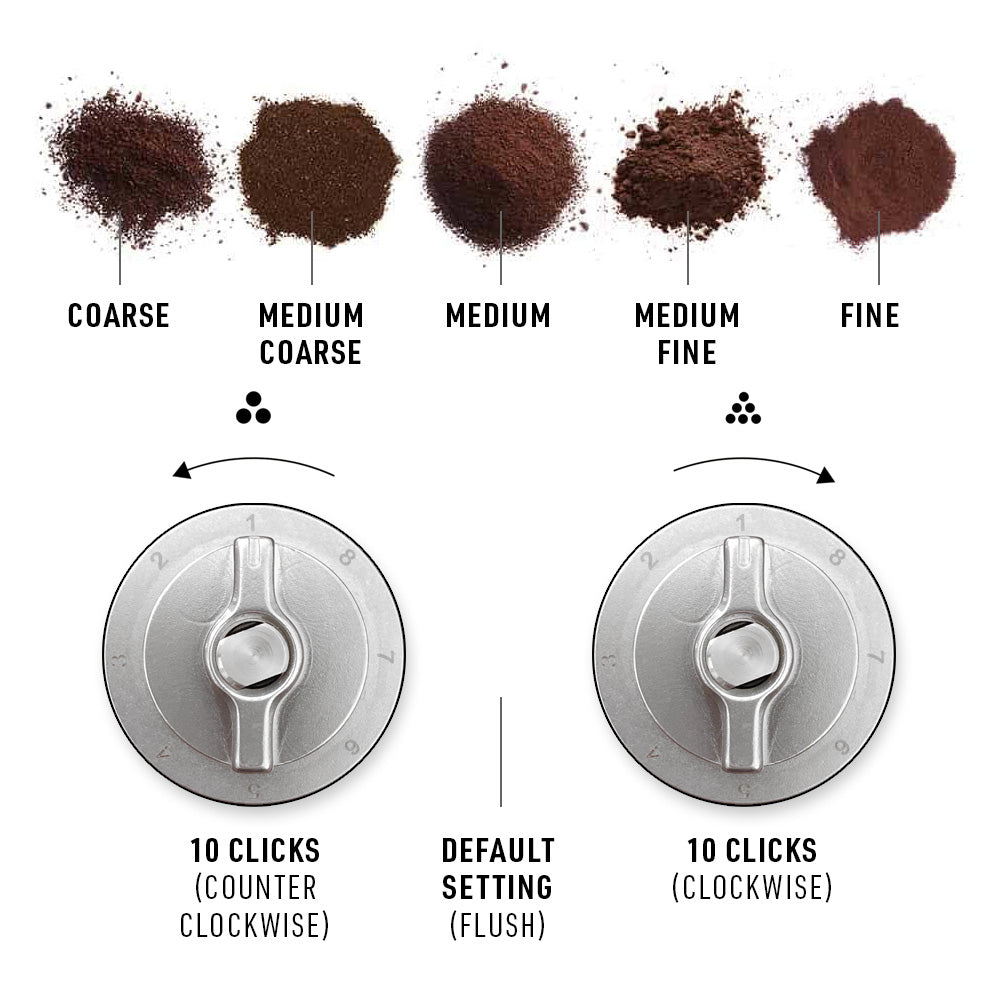
Grind size controls how fast water extracts flavor. Too fine, and the shot over-extracts and tastes bitter. Too coarse, and the brew is weak and sour. Learning how to adjust coffee grinder settings means you can match grind to brew method and bean roast.
Small changes matter. A single notch on a grinder can change extraction time. I learned this after chasing bitter espresso for weeks. A small coarsen fixed it. Keep adjustments small and test often.
Types of grinders and how they affect adjustments
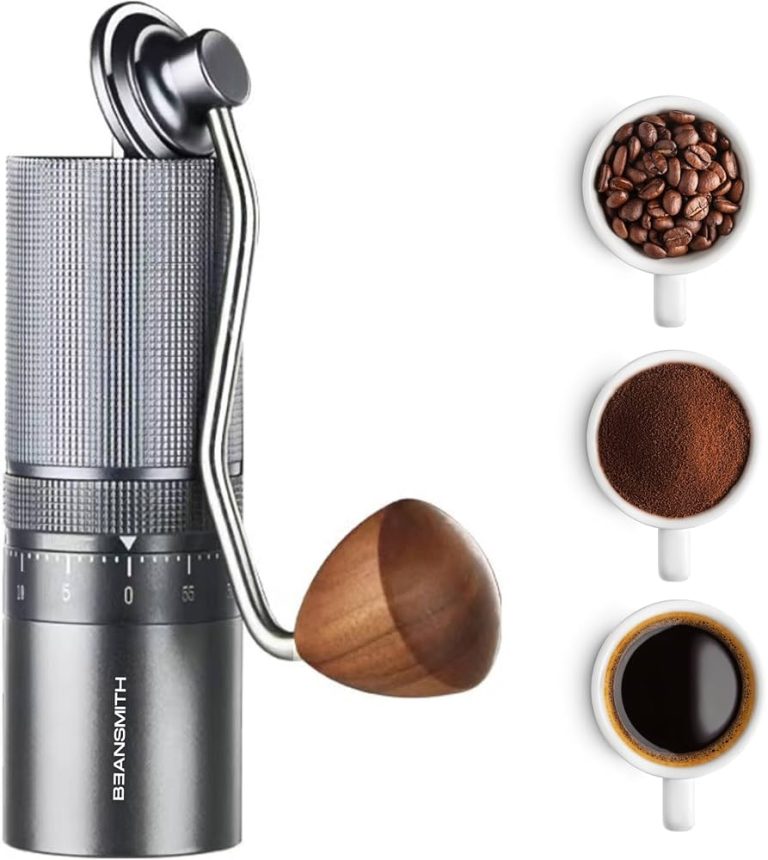
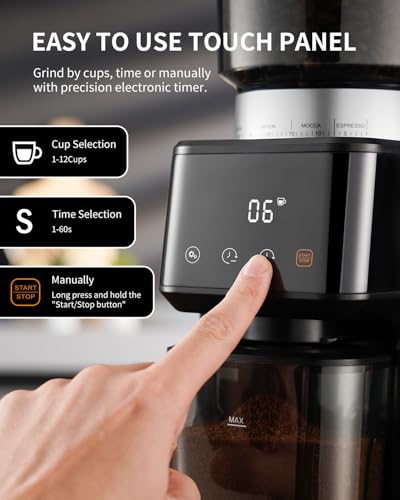
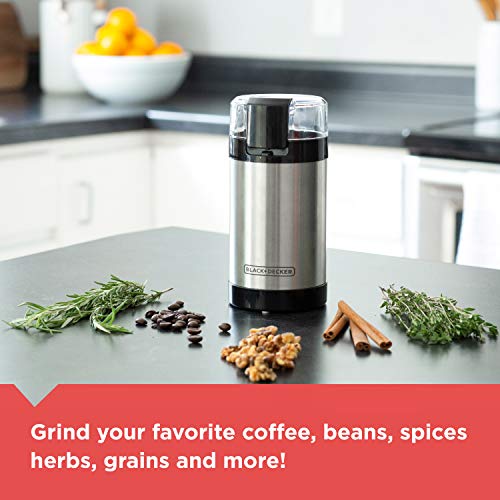
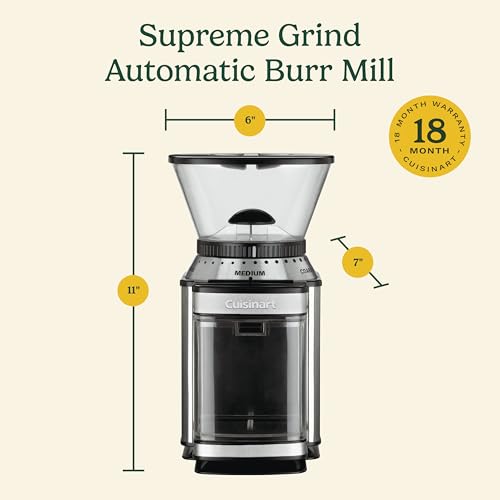
Burr grinders give consistent results and are best for learning how to adjust coffee grinder settings. Blade grinders chop unevenly and make control harder.
- Burr grinders
- Conical burrs give heat control and less retention.
- Flat burrs are precise and great for espresso.
- Blade grinders
- Cheap and inconsistent.
- Not ideal when learning fine adjustments.
Know your grinder type before you adjust. The same step size on two grinders may not equal the same grind shift. I once moved five notches on a cheap grinder and got no real change. On a quality burr grinder, one notch mattered.

Step-by-step: how to adjust coffee grinder settings (quick process)
This step-by-step makes adjustments simple and repeatable.
- Establish a baseline
- Use a consistent dose and brew recipe.
- Note current setting, dose, yield, and brew time.
- Make small changes
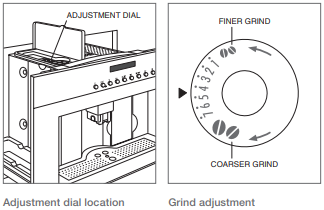
- For finer: move one small step toward finer.
- For coarser: move one small step toward coarser.
- Brew and taste
- Keep water temp and dose the same.
- Taste for sour (under-extracted), bitter (over-extracted), or balanced.
- Repeat until balanced
- Adjust in single steps.
- Record each change.
I recommend a notebook. I keep a simple log: date, beans, setting, time, taste notes. This helped me cut dialing-in time by half.

Dialing in by brew method: how to adjust coffee grinder settings for each style
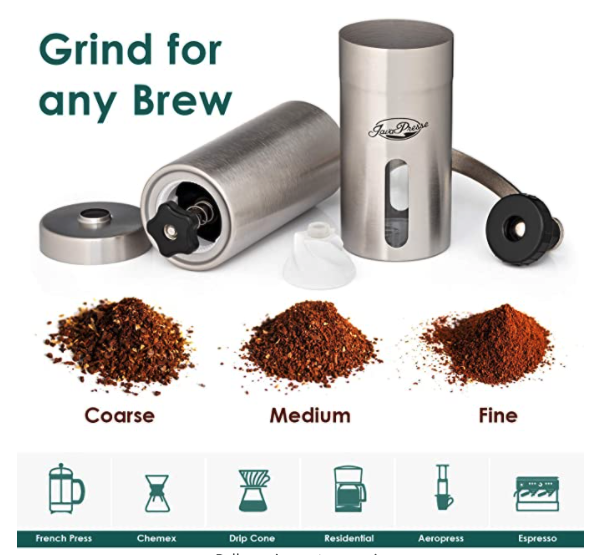
Different brews need different ranges. Here’s how I adjust settings for common methods.
- Espresso
- Grind very fine. Aim for 25–35 seconds extraction with a 1:2 ratio.
- If shot is fast and sour, go finer. If slow and bitter, go coarser.
- Pour-over (V60, Chemex)
- Medium-fine to medium. Aim for 2:30–3:30 brew time depending on pour and dose.
- If brew is under-extracted, go finer. If over-extracted, go coarser.
- Drip coffee makers
- Medium. Keep within manufacturer recommendations, then tweak by taste.
- French press and cold brew
- Coarse grind. For French press, aim for uniform coarse particles to avoid mud.
- For cold brew, coarser grind for a long steep reduces bitterness.
I often start 1–2 notches coarser for newer beans. Fresh roast can trap gas and slow extraction. A slightly coarser grind helps.
Practical tests and tools to guide adjustments
Simple tests speed up dialing in. Use these before changing many settings.
- Shot timer and scale
- Weigh dose and yield. Time espresso. Numbers beat guesswork.
- Extraction yield estimate
- Track brew ratio and time to infer extraction.
- Visual and tactile checks
- Gritty vs powdery feel. Pour-over flow rate and bed appearance.
- Blind taste tests
- Compare two settings side-by-side. Small shifts are easier to detect this way.
I use a kitchen scale and a notebook for every experiment. It made me more confident when I adjusted settings at home.

Troubleshooting common problems when you adjust coffee grinder settings
Problems happen. Here are fast fixes I use.
- Bitter espresso after going finer
- Return one step coarser and check dose. Overdosing can also cause bitterness.
- Sour, weak brew after coarsening
- Move one step finer or increase brew time slightly.
- Channeling in espresso
- Check tamp, dose, and distribute grounds evenly before adjusting grind.
- Excessive fines or muddy French press
- Clean grinder and adjust to a coarser setting.
If you can’t get past an issue, take a break. Tasting fatigue hides changes.

Personal lessons and mistakes to avoid
I’ve adjusted grinders on dozens of machines. Here are mistakes I made so you don’t repeat them.
- Mistake: Changing too many steps at once
- Lesson: Make single-step changes and test.
- Mistake: Switching beans without re-dialing
- Lesson: Always reset grind when you change origin or roast date.
- Mistake: Ignoring dose and yield
- Lesson: Keep those constant while adjusting grind.
- Mistake: Not cleaning the grinder
- Lesson: Regular cleaning removes old grounds that alter settings.
These small habits improved my consistency and saved beans I would have wasted.

PAA-style quick questions (People Also Ask)
What happens if my grind is too fine?
Your brew extracts too fast and tastes bitter. Coarsen slightly to slow extraction and reduce harshness.
How often should I adjust grinder settings?
Adjust when you change beans, roast date, brew method, or observe taste shifts. Small tweaks are best.
Can water temperature change how I should adjust grind?
Yes. Cooler water extracts slower, so you may need a finer grind. Hotter water extracts faster and may call for a coarser grind.
Is it normal for a grinder to drift over time?
Yes. Burr wear, humidity, and buildup can shift settings. Clean and recalibrate periodically.
How many steps should I move at once?
One step at a time. Small moves let you detect differences clearly.

Frequently Asked Questions of how to adjust coffee grinder settings
How do I know when to change my grinder setting?
Change your grinder setting when brew taste shifts, when you switch beans, or when brew times fall outside your target. Keep notes to track changes.
How long does it take to dial in a new coffee?
Dialing in usually takes 5–15 brews depending on method. Espresso often takes longer because grind size is more sensitive.
Should I adjust grind or dose first?
Adjust grind first for extraction balance, then dose to fine-tune strength. Dose affects how strong the cup is, while grind affects extraction.
What if my grinder has no markings?
Mark a reference point with tape. Make one-step changes and log them so you can return to past settings.
Can humidity affect my grind settings?
Yes. High humidity can swell beans and slow extraction. You may need to go slightly coarser on humid days.
How often should I clean my grinder?
Clean grounds out weekly and deep-clean burrs monthly if you use it daily. Regular cleaning keeps settings stable.
Will the same setting work for different beans?
Not always. Different origins and roast levels need new adjustments. Use your baseline but expect tweaks.
Conclusion
Mastering how to adjust coffee grinder settings unlocks better flavor and more consistent cups. Start with small changes, keep track of settings and results, and use simple tests to guide you. With steady practice, you’ll learn how each setting affects extraction and taste.
Try one focused experiment this week: choose one brew method, log your current setting, change one step, and taste. Share your notes or ask a question below to keep improving.