Why Clean Coffee Grinder: Boost Flavor And Machine Life


Clean your grinder to preserve flavor, avoid rancid oils, and keep grind size consistent for better coffee.
I’ve spent years testing beans, grinders, and brew methods, and I can tell you that understanding why clean coffee grinder matters is one of the fastest ways to improve your daily cup. This article walks through the reasons, risks, step-by-step cleaning, real-life tips, and how often to clean so you get fresh, reliable coffee every time. Read on for practical advice from hands-on experience and clear, easy steps you can use today.

Why clean coffee grinder matters
A clean grinder keeps coffee tasting like coffee. Oils and fine particles from previous grinds stick to burrs and the hopper. Over time they go stale. That stale residue changes aroma, flavor, and clarity. Clean equipment gives predictable extraction and lets your beans shine.
Key benefits of cleaning your grinder:
- Preserves flavor and aroma by removing old oils and grounds.
- Ensures consistent grind size for even extraction.
- Prevents clogs and mechanical wear from built-up debris.
- Reduces stale, bitter, or off tastes in your cup.
- Lowers the risk of mold in humid environments.
Why clean coffee grinder helps pro-level brewing
- Consistent grind leads to steady extraction yield.
- Clean burrs reduce particle-size variation.
- You get repeatable results when adjusting dose or grind setting.
PAA-style questions (concise answers)
What happens if you never clean a grinder?
Old oils and trapped grounds build up, causing stale, bitter flavors and inconsistent grind performance.
Can a dirty grinder affect espresso shots?
Yes. A dirty grinder can change particle distribution and lead to under- or over-extracted espresso.
Is it unsafe to leave coffee residue in a grinder?
Not usually dangerous short-term, but long-term residue can harbor mold in damp conditions and degrade taste.
:max_bytes(150000):strip_icc()/sea-how-to-clean-a-coffee-grinder-irvin-lin-13-b47f18ee6fce445d8891e09bacfa3b02.jpeg)
What goes wrong if you skip cleaning
Skipping cleaning creates a slow decline in quality. Problems often start subtle and worsen over time.
Common issues from a dirty grinder:
- Off-flavors from rancid oils coating the burrs.
- Inconsistent shot times or weak drip coffee due to variable particle size.
- Clogs in the chute or portafilter pathways.
- More frequent mechanical problems or noisy operation.
- Potential mold growth in humid climates around trapped grounds.
Real-world impact: a regular home grinder with heavy use can show flavor drift in just a week. In cafés, strict cleaning schedules prevent waste and unhappy customers.
:max_bytes(150000):strip_icc()/how-to-clean-a-coffee-grinder-5093606-hero-b3446632eec44d5aa504be59fafd4bf5.jpg)
How often to clean your grinder
Frequency depends on use, bean type, and environment.
General guidelines:
- Daily: Quick brush of visible grounds and wiping the dosing area.
- Weekly: Deeper clean that removes the hopper and brushes burrs.
- Monthly: Full disassembly and thorough cleaning for high-use grinders.
- After flavored beans: Clean immediately to prevent flavor transfer.
If you roast at home or use oily dark roasts, clean more often. If you use single-origin light roasts sparingly, you can relax the schedule a bit. The key is to watch for flavor changes and stick to a routine.

Step-by-step cleaning guide
Below are practical, safe steps for common grinder types. Always unplug before cleaning.
Cleaning a burr grinder (recommended method)
- Unplug the grinder and remove the hopper.
- Dump beans and brush out loose grounds from the hopper and throat.
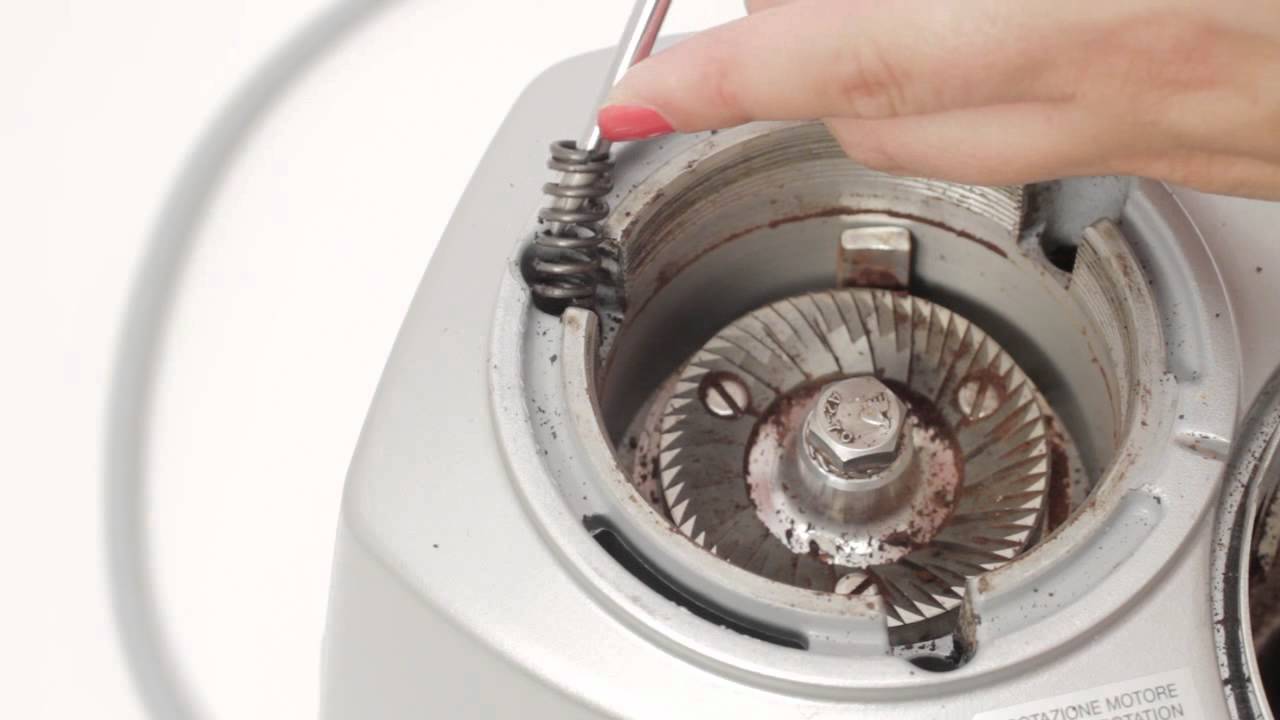
- Remove the top burr if your model allows it. Brush both burrs with a stiff brush.
- Use compressed air sparingly to remove fine dust, or tilt and gently tap to dislodge particles.
- Wipe the hopper with a damp cloth and fully dry before reassembly.
- Reassemble and grind a small dose of beans to clear any remnant dust.
Cleaning a blade grinder
- Unplug, dump old grounds, and wipe the chamber with a dry brush.
- Use a slightly damp cloth to clean the blade surface; dry immediately.
- Avoid immersing electric components in water.
Using grinder cleaning pellets
- Follow the pellet maker’s instructions. Run pellets through, then grind a few beans to flush.
- Pellets remove oil residue and help with deep cleaning without full disassembly.
Things to avoid
- Do not pour rice into burr grinders—rice can damage burrs and leave starchy residues.
- Avoid harsh chemicals; use mild dish soap for external plastic parts only.
- Do not reassemble wet parts—moisture causes clumping and mold.
Maintenance tips and troubleshooting
Small habits prevent big problems. Keep a simple routine and you’ll save time and money.
Daily and weekly habits
- Empty the catch tray daily if your grinder has one.
- Brush the burrs or chute after heavy use.
- Wipe the exterior and hopper weekly.
Troubleshooting common issues
- Sticky hopper or slow feed: Check for oily build-up and clean the hopper and burrs.
- Strange noises: Inspect for trapped stones or foreign objects in the burrs.
- Grind drift after cleaning: Re-zero settings slowly—cleaning can slightly change calibration.
Replacement parts and upgrades
- Replace burrs when grinding performance declines or after manufacturer-recommended hours.
- Consider stepping up to a grinder with easy disassembly if you value frequent cleaning.

Personal experience and lessons learned
I used to ignore grinder cleaning for months. My espresso cups tasted flat and stale. After implementing a simple weekly clean, the difference was immediate. Shots were brighter and more consistent. I learned these lessons:
- Small, frequent cleaning beats infrequent deep cleans.
- Flavored beans demand immediate cleaning to avoid flavor ghosts.
- Use a brush and gentle tapping rather than aggressive scrubbing to protect burrs.
A tip I swear by: keep a small coffee brush and a labeled cloth near your grinder. Five minutes a week keeps your coffee honest.

Frequently Asked Questions of why clean coffee grinder
How long does a grinder stay clean after I clean it?
A well-cleaned grinder will stay clean for days to weeks depending on use; daily brushing extends that time.
Can I use soap and water on grinder parts?
Only on removable, non-electrical parts like the hopper. Dry parts thoroughly before reassembly.
Will cleaning change my grind settings?
It can slightly alter calibration; expect small adjustments after a full disassembly and reassembly.
Are grinder cleaning tablets safe?
Yes, commercial cleaning pellets designed for grinders are safe and effective when used as directed.
Should I clean a grinder used for flavored coffee differently?
Yes, clean immediately after flavored beans to avoid flavor transfer and residue buildup.
Conclusion
Keeping a clean grinder is one of the simplest, most effective ways to upgrade your coffee. Clean grinders protect flavor, ensure consistent grind size, and reduce mechanical issues. Start with a daily brush and a weekly deep clean, and adjust for roast type and usage. Make a small habit of cleaning and your coffee will reward you with clearer, truer flavor.
Take action today: set a five-minute cleaning routine, try a monthly deep clean, and leave a comment with your cleaning wins or challenges. Want more tips on grinder care or brewing? Subscribe or ask a question below.