How To Choose A Coffee Grinder: Expert Buying Guide


Choose by burr type, grind consistency, dose control, and the brewing method you use.
I’ve spent years testing grinders and helping friends pick the right one. This guide shows how to choose a coffee grinder with clear steps, real-life tips, and simple trade-offs. You’ll learn the types of grinders, what features matter, how grind size maps to brew methods, and how to decide with your budget and space in mind. Read on to make a confident, long-lasting choice about how to choose a coffee grinder.

Why choosing the right grinder matters
A grinder shapes coffee flavor more than most gear. Fresh, even grounds unlock acidity, body, and aroma. A poor grinder makes even quality beans taste flat or bitter.
Choosing well saves money over time. You avoid wasted beans and upgrades. If you want better coffee at home, knowing how to choose a coffee grinder is the first step to consistent results.

Types of coffee grinders
Choosing the right type is key to how to choose a coffee grinder. Know the main kinds and their simple trade-offs.
- Blade grinders
- Cheap and simple.
- Cuts beans unevenly, so they work for coarse brew but hurt flavor for espresso and pour-over.
- Burr grinders
- Use two surfaces to crush beans.
- Offer consistent grind sizes, better flavor, and are preferred by home brewers.
- Conical burrs
- Lower heat and less retention.
- Great for many home setups.
- Flat burrs
- Very consistent for espresso and precise brewing.
- Often found on higher-end machines.
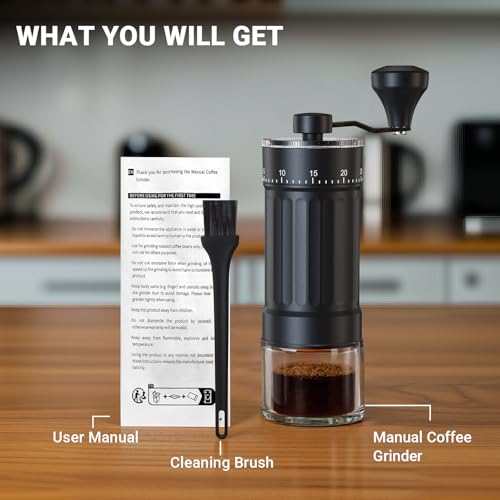
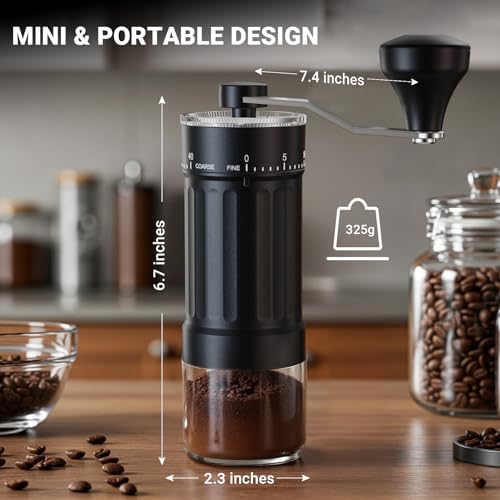
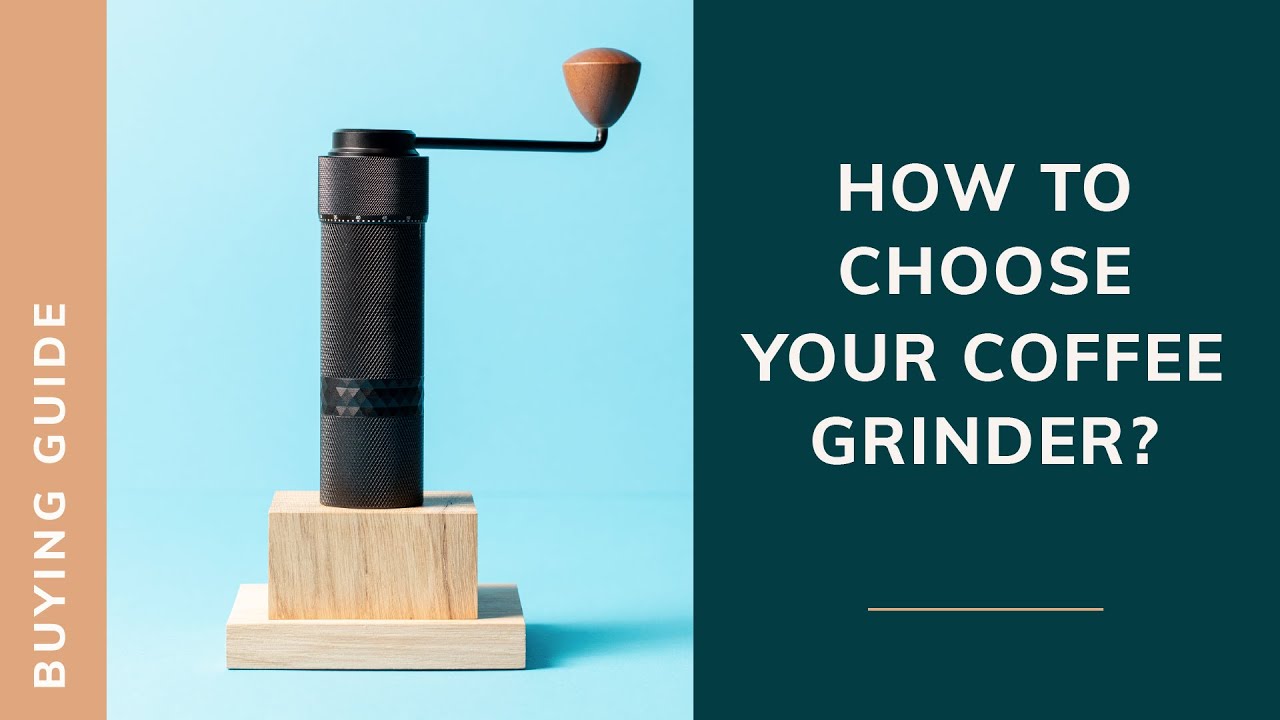
- Manual grinders
- Portable and quiet.
- Require effort but can be excellent for single-cup brewing.
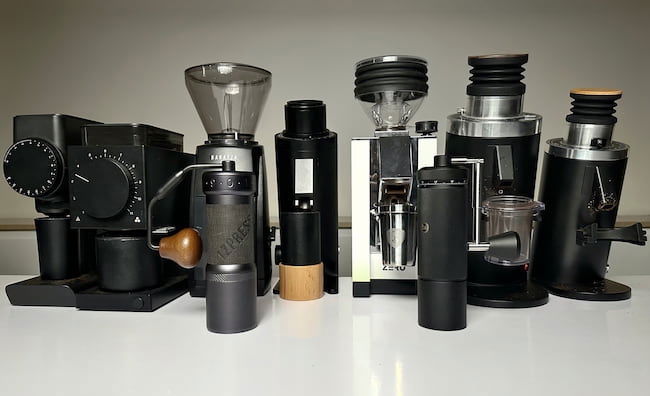
- Commercial grinders
- Built for heavy use and very consistent dosing.
- Overkill for most homes but right for cafes.
Pick a burr grinder unless you need the lowest price or full portability. Burrs are central to how to choose a coffee grinder that gives reliable flavor.

Key features to look for when choosing a grinder
Focus on features that affect taste, consistency, and convenience. These guide how to choose a coffee grinder that fits your life.
- Burr material and size
- Steel burrs are durable and common.
- Ceramic burrs stay sharp longer but can chip.
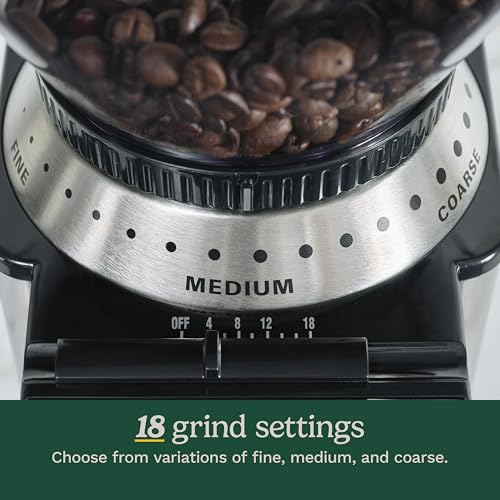
- Grind settings and steps
- More settings help dial in espresso and pour-over.
- Clicks or stepped adjustment are repeatable. Stepless lets you micro-tweak.
- Dose control
- Manual dose lets you weigh each shot.
- Timed or weight-based dosing speeds routine brewing.
- Retention
- Low retention means less coffee left in the grinder.
- Important when switching beans often.
- Motor speed and heat
- Slower burr speeds reduce heat, preserving flavor.
- High RPM models are faster but can warm beans.
- Noise and size
- Consider apartment living.
- Manual grinders are quiet; high-power electrics are louder.
- Build quality and warranty
- Metal housing and trusted brands last longer.
- Warranties protect your investment.
These factors will steer your decision on how to choose a coffee grinder that matches your routine.

Match grind size to brew method
The right grind size matters more than brand. Here’s a simple map to help you choose and to understand how to choose a coffee grinder by technique.
- Espresso
- Very fine and uniform.
- Requires precise, low-retention grinders.
- Aeropress
- Fine to medium depending on recipe.
- Versatile grinders make Aeropress easy.
- Pour-over (V60, Chemex)
- Medium-fine to medium.
- Consistency helps with even extraction.
- French press
- Coarse and consistent.
- Blade grinders are least suitable here.
- Cold brew
- Very coarse.
- Coarse burrs and wide settings work best.
PAA-style question: How fine should I set my grinder for espresso?
Set the grinder to a very fine setting that yields 25–30 seconds extraction for a 1:2 brew ratio. Adjust in small steps if shots run too fast or slow.
PAA-style question: Can one grinder handle all brew methods?
Yes, many mid- to high-end burr grinders cover espresso to French press with reliable adjustment. Low-end models may struggle to produce the extremes well.

Budget, durability, and warranty considerations
Your budget will guide how to choose a coffee grinder and what compromises you accept. Here’s a simple breakdown.
- Under $50
- Mostly blade grinders or tiny electrics.
- Limited consistency and durability.
- $50–$200
- Entry-level burr grinders.
- Good for brew methods other than demanding espresso.
- $200–$500
- Better burr sizes, improved retention and dose control.
- Many home baristas find sweet value here.
- $500+
- Premium home and prosumer models.
- Excellent consistency, low retention, and long warranties.
Durability tips
- Look for metal parts where beans and burrs meet.
- Check warranty length and what it covers.
- Read real user reviews on longevity.
Budget affects how to choose a coffee grinder that will last and perform. Plan for long-term value, not just lowest price.

Maintenance, cleaning, and grinder lifespan
Cleaning affects flavor and how long your grinder lives. Regular care keeps consistency high.
- Daily or weekly
- Brush out grounds from the chute and burrs.
- Wipe the outside and hopper.
- Monthly
- Deep clean removable burrs.
- Use recommended grinder cleaner or mild soap for removable parts.
- Replacement parts
- Burrs wear over time and change flavor.
- Some burrs are replaceable and extend grinder life.
Common problem and fix
- Inconsistent grind after heavy use
- Check for clogged burrs and clean.
- Replace worn burrs if necessary.
Good maintenance is part of how to choose a coffee grinder that stays reliable for years.

How to choose a coffee grinder for specific users
Different users need different features. Match those needs to make the best choice.
- Home espresso lovers
- Choose a low-retention burr grinder with fine control.
- Dose consistency and stable settings matter most.
- Casual drip or pour-over drinkers
- A mid-range burr grinder with many settings is ideal.
- Ease of use and cleanup are helpful.
- Travelers and campers
- Pick a sturdy manual grinder.
- Portability and simplicity beat speed.
- Small café or heavy use
- Invest in a commercial grinder with powerful motor.
- Look for serviceability and fast recovery.
Personal note from my testing
- I once bought a cheap grinder for espresso and wasted beans for weeks.
- Upgrading to a mid-range burr cut shots from 50 failed attempts to 5.
- Lesson learned: spend on burr quality and adjustment over flashy features.
These user profiles make it easier to decide how to choose a coffee grinder for your life.
Making the final decision: step-by-step checklist
Follow these steps to lock in a choice and avoid regret.
- Identify your brew methods and how often you make coffee.
- Set a realistic budget for a durable grinder.
- Prioritize burr type, retention, and dose control.
- Read recent reviews and watch short demo clips to see grind behavior.
- Check warranty and parts availability.
- If possible, test grind in-store or buy from a retailer with a good return policy.
- Buy, clean regularly, and tweak settings while taking notes.
This checklist helps you act on how to choose a coffee grinder with confidence.
Frequently Asked Questions of how to choose a coffee grinder
What grinder type is best for espresso?
A burr grinder with fine, consistent settings is best for espresso. Low retention and precise dosing matter most for repeatable shots.
Are blade grinders okay for everyday coffee?
Blade grinders are cheap and fast but produce uneven grounds. They work for coarse brews but limit flavor for pour-over and espresso.
How much should I spend on a good home grinder?
Expect to invest at least $150–$300 for a reliable home burr grinder. This range balances consistency and value for most users.
How often should I clean my grinder?
Light cleaning weekly and a deeper clean monthly keeps performance steady. Replace burrs when performance or flavor declines.
Can one grinder handle all brewing methods?
Many mid to high-end burr grinders can cover espresso to French press with proper adjustments. Low-end models may not reach both extremes well.
How important is grind retention?
Low retention matters if you change beans often. High retention wastes beans and mixes flavors between batches.
Should I choose conical or flat burrs?
Conical burrs are forgiving and reduce heat. Flat burrs offer tight uniformity favored for precise espresso. Choose based on your brew focus.
Conclusion
Choosing the right grinder boils down to one clear idea: match grind quality and control to your brew habits and budget. Pick a burr grinder when flavor matters. Prioritize consistent grind size, manageable retention, and dose control. Test when you can and commit to regular cleaning.
Take action today: write down your brewing needs, set a budget, and use the checklist above to narrow options. If you found this useful, try one recommended model, share your experience, or ask a question below.