What Setting Should Coffee Grinder Be On: Grind Size Guide

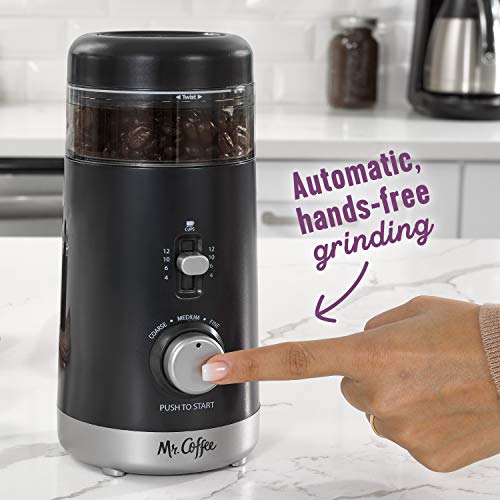
Set your coffee grinder to a grind size that matches your brew method and your taste preferences.
I’ve ground coffee for years at home and in cafés, and I know the difference a proper grind makes. This guide explains what setting should coffee grinder be on for espresso, pour-over, French press, and more. You’ll get clear steps, real-world tips, and simple tests to find the right grind setting every time. Read on to master your grind and make better coffee.

Why grind setting matters
Grind size changes how fast water extracts flavor from coffee. Too fine creates over-extraction and bitterness. Too coarse leads to weak, sour brew. Knowing what setting should coffee grinder be on helps you control taste, strength, and clarity.
A correct grind gives balance. It makes espresso rich, pour-over bright, and French press full-bodied. I learned this by testing the same coffee at many settings and tasting the differences. Small changes often mean big flavor shifts.

Grind settings by brew method
Every brew method needs a different grind. Below are common settings and short notes on why they work.
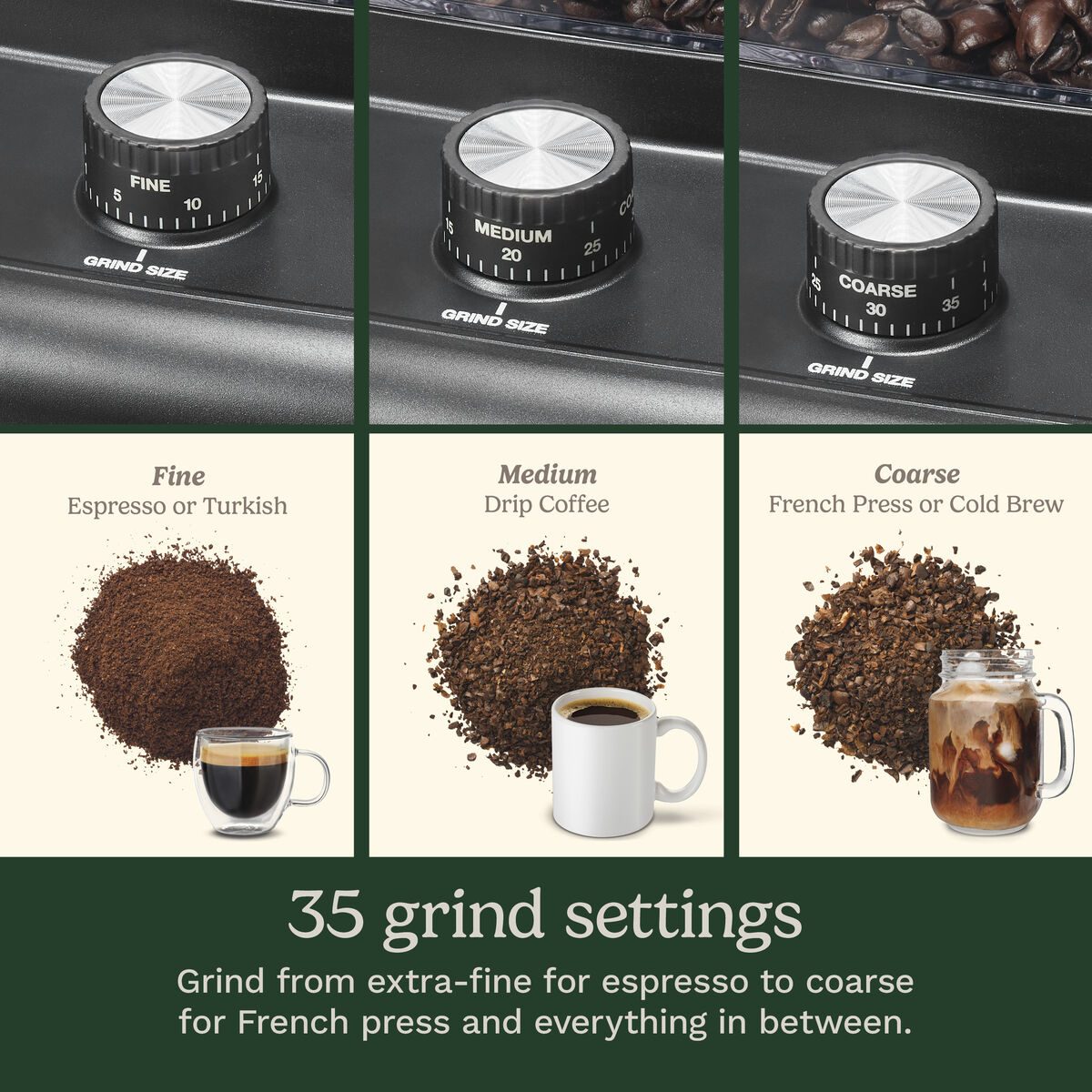
- Espresso: fine to very fine. This packs resistance for pressure extraction. Aim for a texture like powdered sugar.
- Aeropress: fine to medium-fine. Time and filter choice change the setting. Use a slightly coarser grind for longer steeps.
- Moka pot: fine. Slightly coarser than espresso but finer than drip. It helps avoid clogging and bitterness.
- Pour-over (V60, Chemex): medium-fine to medium. Think table salt to granulated sugar texture. Adjust for speed and clarity.
- Drip coffee makers: medium. A balanced extraction suits flat-bottom and cone filters.
- French press: coarse. Chunky texture like sea salt works best to avoid over-extraction and muddiness.
- Cold brew: very coarse. Long steep times need very coarse grinds to prevent over-extraction.
If you ask what setting should coffee grinder be on, start with the brew method above. Then tweak by taste and time.
How to dial in the perfect grind (step-by-step)
Dialing in means testing and adjusting. Follow these clear steps.
- Choose brew method and target time.
- Set the grinder to the recommended starting setting.
- Brew one cup and note taste, strength, and brewing time.
- If coffee is sour or weak, go finer one notch. If bitter or slow, go coarser one notch.
- Repeat until extraction feels balanced.
I use this routine every morning. It takes a few small adjustments to find the right spot. Keep notes. A scale and timer speed up progress.
 grinders and settings”
style=”max-width: 100%; height: auto; border: 2px solid black; border-radius: 10px; display: block; margin: 0 auto;”
loading=”lazy”
/>
Practical tips for grinders and settings
Small habits help you get consistent results.
- Use a burr grinder for steady particle size. Burrs beat blade grinders for consistency.
- Grind just before brewing. Coffee loses aroma quickly once ground.
- Clean your grinder regularly. Oils and old grounds change flavor and setting feel.
- Keep a log of grind settings for each coffee and brew method.
- Change only one variable at a time: grind, dose, water temp, or time.
From my tests, cleaning made the biggest surprising difference. Old grounds made shots taste stale even when settings seemed right.

Blade vs. burr grinders — what setting should coffee grinder be on for each?
Blade grinders chop unevenly. They give a mix of fine and coarse particles. You can’t pick a precise setting on blades. Aim for a uniform coarse to medium grind for drip or French press.
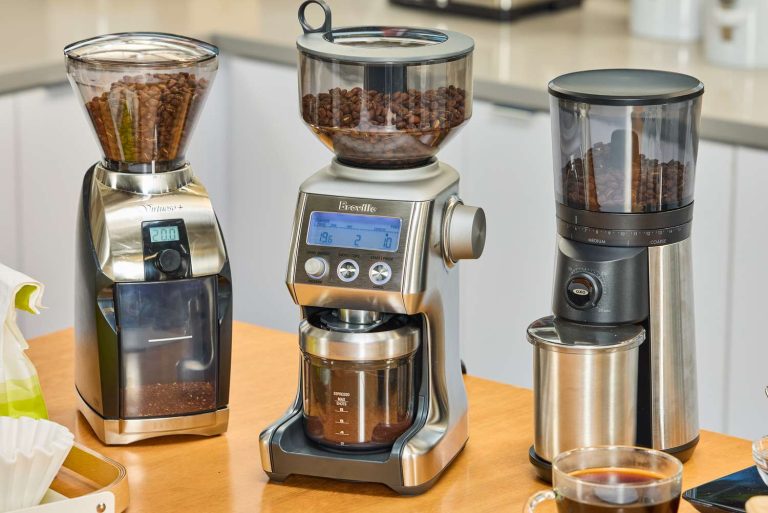
Burr grinders crush beans uniformly. Most have numbered settings. Start in the middle for drip. Move finer for espresso and coarser for press and cold brew. Digital or stepped burrs let you return to a known setting quickly.
I switched from a blade to a burr grinder years ago. My coffee improved instantly. Shots were more consistent, and I spent less time guessing settings.

Common mistakes and how to avoid them
Many people set the grinder by feel or guesswork. Here are common errors and fixes.
- Mistake: Changing grind too much at once. Fix: Adjust one notch at a time.
- Mistake: Using same setting for different beans. Fix: Retest when you change beans or roast date.
- Mistake: Not cleaning grinder. Fix: Clean monthly or after oily beans.
- Mistake: Measuring by time instead of weight. Fix: Use a scale for dose and yield.
Be patient. Even pros adjust settings when beans change. That’s normal.
Troubleshooting: quick fixes for common problems
If your coffee tastes off, check these items first.
- Bitter espresso: grind coarser, lower dose, or shorten shot time.
- Sour coffee: grind finer, increase dose, or raise water temp slightly.
- Muddy French press: grind coarser and steep for less time.
- Inconsistent tamping or dosing: weigh your dose and use a consistent tamp.
I keep a small notebook. I write setting number, dose, and shot time. It helps me reproduce great cups.

Maintenance and calibration tips
A well-kept grinder stays accurate longer.
- Clean burrs and chute every 1–4 weeks depending on use.
- Replace burrs when dull; check manufacturer guidance.
- Recalibrate if you move the burrs or when grind settings jump.
- Use manufacturer instructions to set zero on stepped grinders.
Calibration restored my grinder’s accuracy after a move. It took ten minutes and saved me hours of bad brews.
Personal lessons and real-life examples
When I first learned what setting should coffee grinder be on, I chased perfect espresso by dialing finer endlessly. I ended with burnt shots. Over time I learned to change one variable a day. I shifted to weighing dose and timing shots. My pulls became repeatable. I now keep a small cheat sheet for each coffee bag. It saves time and keeps taste consistent.
Frequently Asked Questions of what setting should coffee grinder be on
What setting should coffee grinder be on for espresso?
Start fine, like powdered sugar. Adjust one notch finer or coarser until shot time and taste are balanced.
What setting should coffee grinder be on for French press?
Use a coarse setting similar to sea salt. This prevents over-extraction and gives a clean cup.
How do I know if my grind is too fine or too coarse?
If it tastes bitter and slow, it’s too fine. If it tastes sour and weak, it’s too coarse. Adjust in small steps.
Can I use the same setting for all brew methods?
No. Different methods need different extraction rates. Match the grind to the brew method for best results.
How often should I change my grinder setting?
Change whenever you switch beans, roast level, or brew method. Small daily tweaks may be needed for fresh beans.
Does grind size affect caffeine levels?
Grind size affects extraction but not total caffeine drastically in most home brews. Finer grinds extract faster, which can change perceived strength.
Conclusion
Choosing what setting should coffee grinder be on starts with your brew method, taste, and simple testing. Use the recommended starting points, make one small change at a time, and keep notes. Clean and calibrate your grinder often to stay consistent. Try the steps here, record your best settings, and enjoy better coffee tomorrow. If you found this helpful, leave a comment with your brew method, subscribe for more tips, or try a new grind setting today.