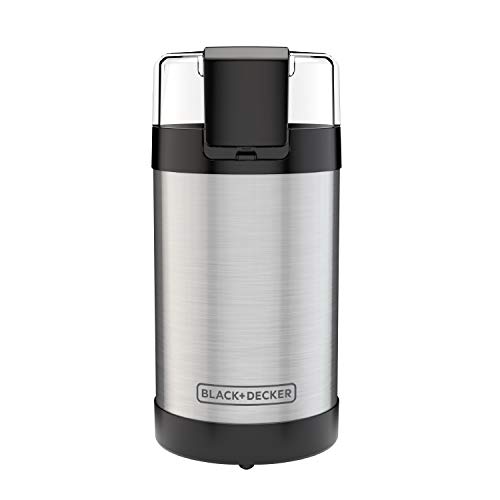
How To Clean A Coffee Grinder: Quick Easy Guide


Clean your grinder by unplugging, emptying grounds, brushing parts, and wiping removable pieces.
I’ve spent years testing grinders and fixing grinds at home and in cafés. This guide on how to clean a coffee grinder walks you step-by-step. I explain safe methods for blade and burr machines, tools to use, common mistakes, and quick maintenance tips. Read on to get a cleaner grinder and better coffee without guesswork.

Why cleaning matters for flavor and longevity
A dirty grinder changes taste and clogs parts. Old grounds and oils make coffee bitter and stale. Regular cleaning keeps your grinder working well and your shots consistent. Knowing how to clean a coffee grinder protects the machine and your brew.
:max_bytes(150000):strip_icc()/how-to-clean-a-coffee-grinder-5093606-hero-b3446632eec44d5aa504be59fafd4bf5.jpg)
Tools and supplies you’ll need
Keep your toolkit small and simple. You will need:
- Soft brush for crumbs and fines.
- Microfiber cloth for wiping.
- Small vacuum or canned air for loose grounds.
- Mild dish soap for removable parts only.
- A screwdriver if your model has secured panels.
These items cover most cleaning jobs for how to clean a coffee grinder.
Safety and prep before you start
Always unplug the grinder first. Remove beans and empty the hopper. Work over a clean surface or tray to catch loose grounds. Taking a few safe steps makes cleaning fast and risk-free when learning how to clean a coffee grinder.
How to clean a blade grinder — step by step
Blade grinders are common and simple. Follow these steps:
- Unplug and empty the grinder.
- Remove loose grounds with a brush or cloth.
- Wipe the bowl and blades with a damp cloth. Use mild soap if needed. Rinse and dry removable parts.
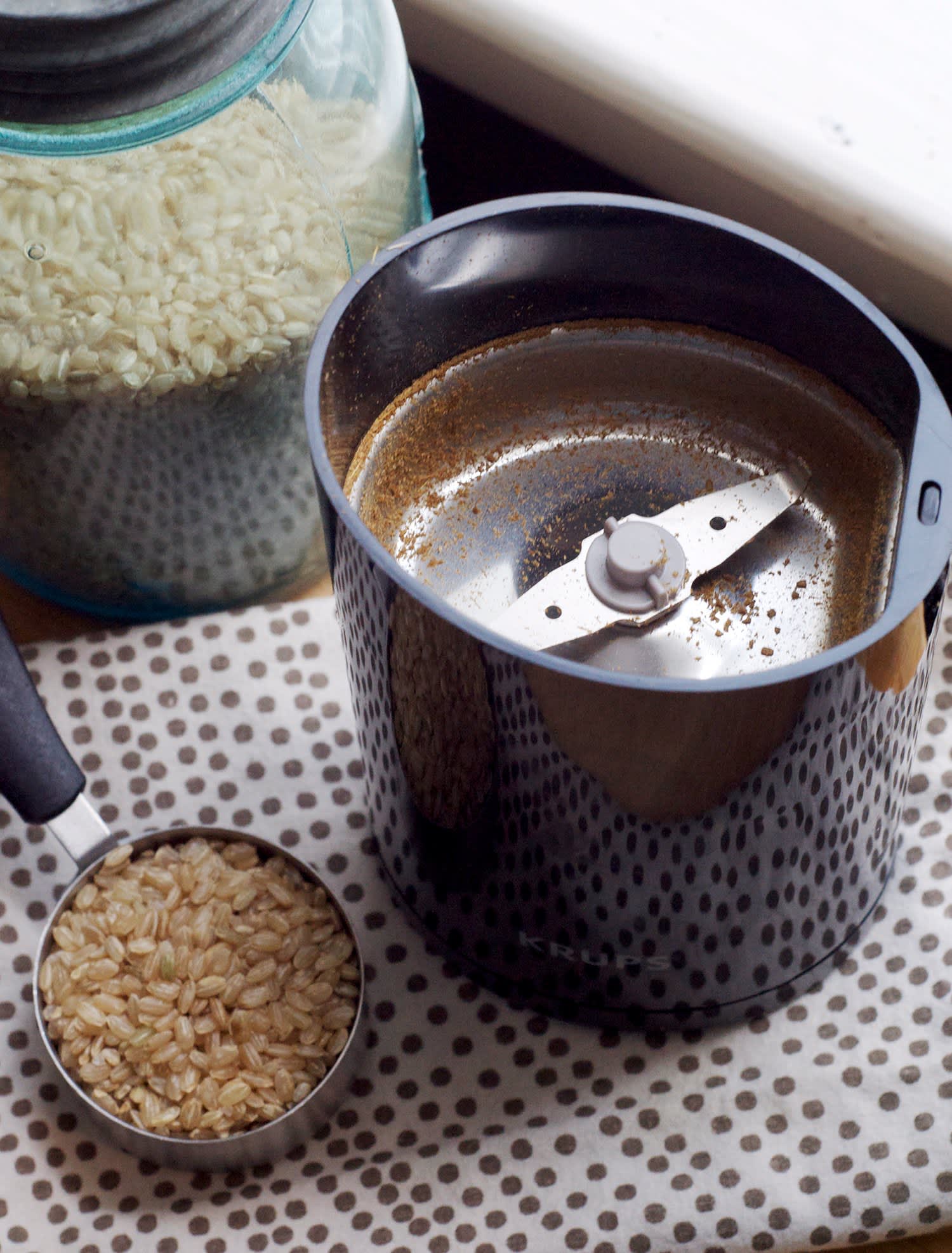
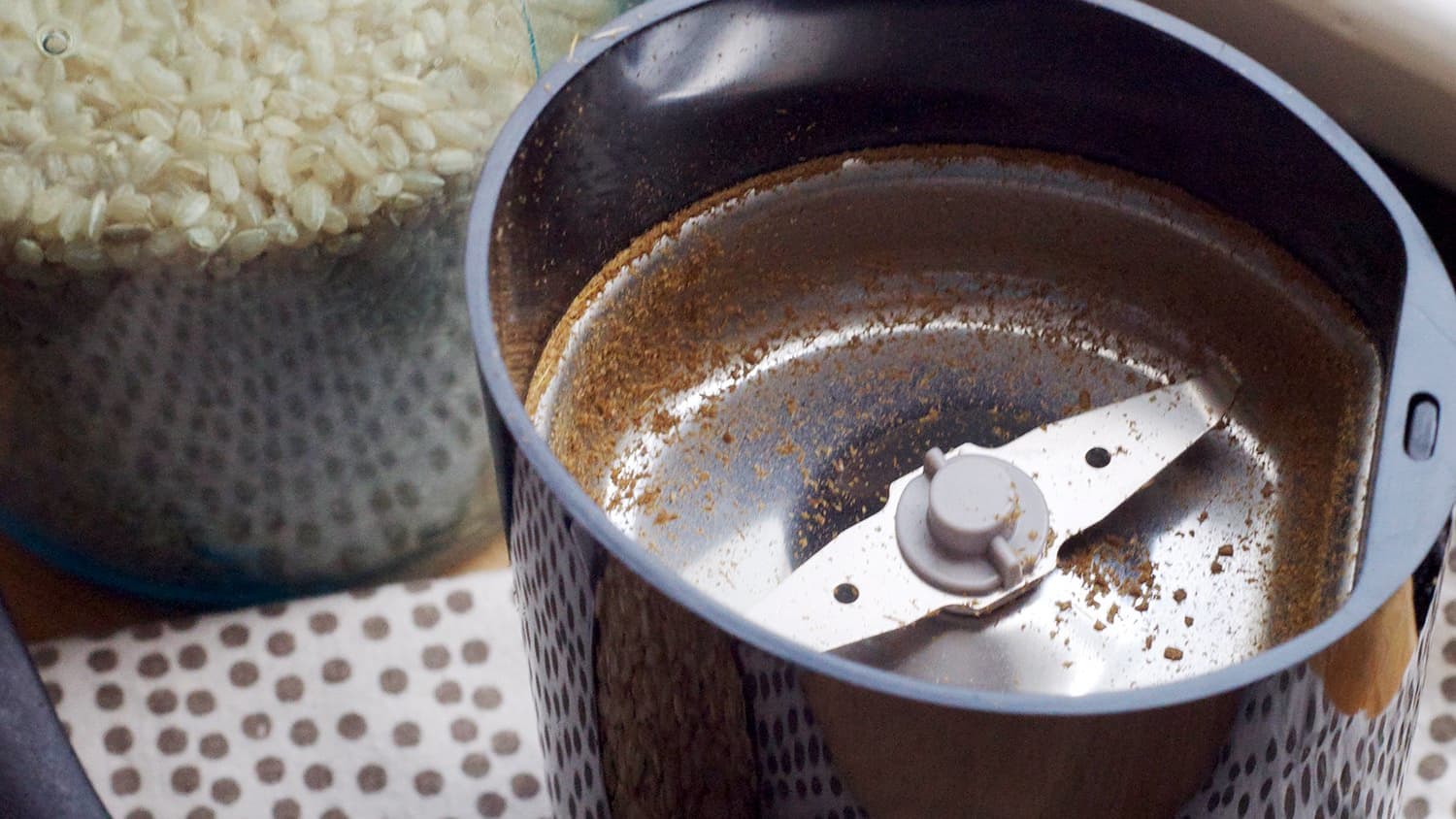
- For stubborn residue, grind a few slices of dry, stale bread or use a rice caution method described later, then wipe clean.
Keep parts dry and reassemble when all pieces are fully dry to prevent clogs and rust. This method is a basic approach to how to clean a coffee grinder blade unit.
How to clean a burr grinder — step by step
Burr grinders need more care but reward you with steady results. Use this sequence:
- Unplug and remove beans and hopper.
- Remove hopper and any upper burr parts per the manual.
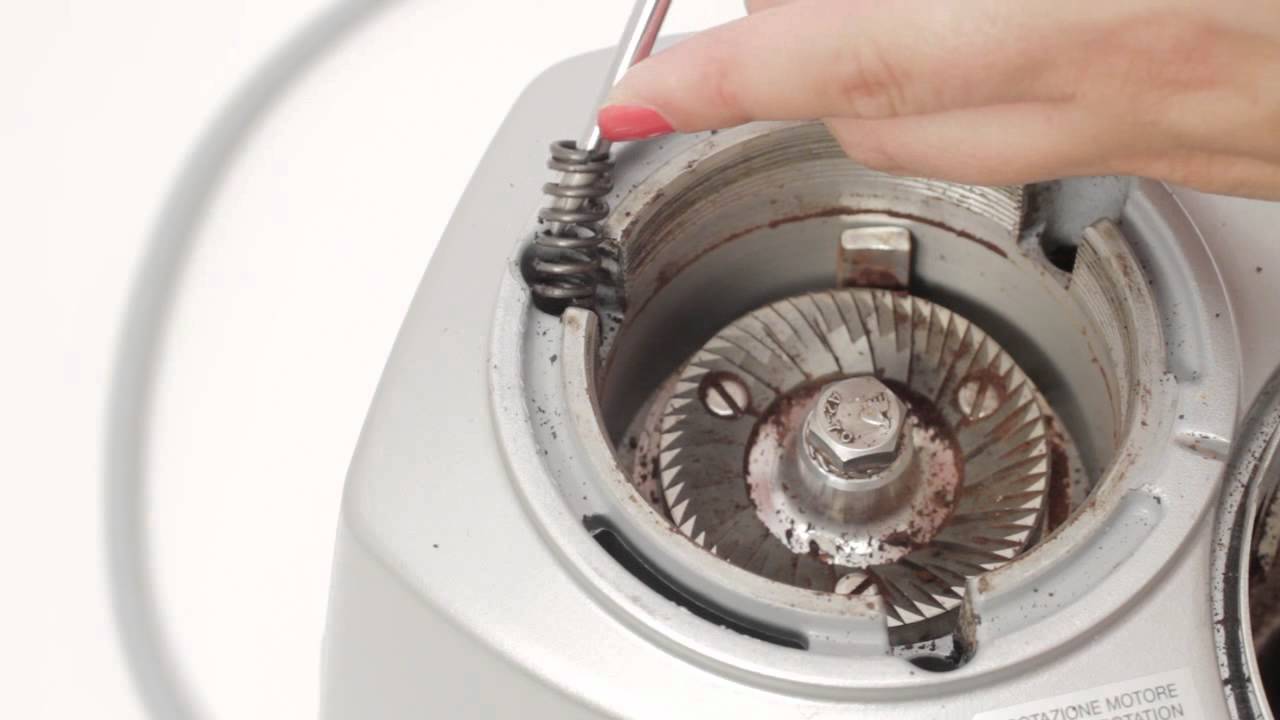
- Use a brush to sweep loose grounds from burrs and chute.
- For a deeper clean, remove the burrs and rinse removable metal parts in warm soapy water. Dry fully before reassembly.
- Reinstall parts and run a small amount of beans to clear loose dust.
Knowing how to clean a coffee grinder burr-by-burr keeps grind size steady and flavors true.

Deep cleaning and safe home methods
Do a deep clean every 1–3 months depending on use. Deep clean steps:
- Fully disassemble the machine as allowed by the manual.
- Soak removable, non-electrical parts in warm soapy water and dry well.
- Brush out the grind chute and collection chamber.
- Use a vacuum and a soft brush on fixed components.
Avoid water on motor or wiring. These safe deep steps are central to how to clean a coffee grinder thoroughly.

Dealing with oils and lingering odors
Roasted beans leave oils that build up over time. To handle them:
- Use hot, soapy water on removable parts to strip oils.
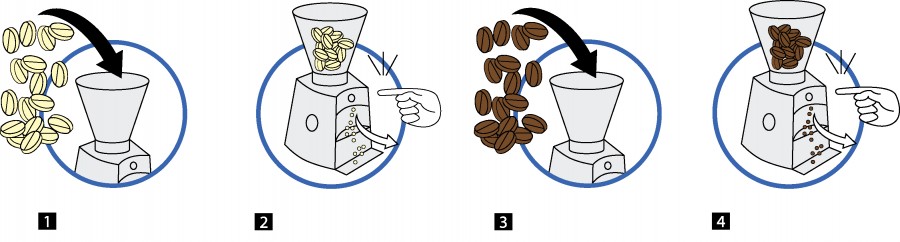
- Run a small batch of low-acidity beans or manufacturer-recommended grinder cleaner to absorb residues.
- Let parts air dry fully to avoid stale smells.
Note that rice cleaning is controversial; some makers warn it can clog burrs. I recommend manufacturer-approved cleaners or the dry-brush method when learning how to clean a coffee grinder safely.
How often to clean your grinder
Frequency depends on use:
- Daily for heavy café use: quick brush and wipe.
- Weekly for home heavy use: disassemble hopper and brush burrs.
- Monthly deep clean for moderate home use.
A simple schedule helps you master how to clean a coffee grinder without overdoing it.

Common mistakes and troubleshooting
People often use too much water or skip drying. This causes rust or motor issues. Using hard grains like uncooked rice without guidance can harm burrs. When something goes wrong, check the manual, re-check assembly, and test with a small bean batch. These tips reduce repair needs and show common traps when learning how to clean a coffee grinder.
Personal experience: lessons from the counter
I once ruined a burr by rushing and reassembling wet parts. I learned to label screws and use mats to keep parts in order. A small brush and canned air became my go-to tools. My routine now saves time and keeps flavor bright. These real-lab lessons are what I mean by practical advice on how to clean a coffee grinder.
Quick PAA-style questions
What’s the cheapest way to clean a grinder safely?
- Use a soft brush, a microfiber cloth, and warm soapy water for removable parts. These simple tools handle most cleaning chores and show how to clean a coffee grinder without buying special cleaners.
Can I use rice to clean my grinder?
- Rice has been used traditionally, but many manufacturers advise against it. Use a brush or a commercial grinder cleaner to avoid damage when learning how to clean a coffee grinder.
Frequently Asked Questions of how to clean a coffee grinder
How do I clean a grinder without disassembling it?
Brush the hopper, run a small amount of beans to clear dust, and wipe the exterior. This quick method keeps the grinder tidy between deeper cleans.
Can I use soap on my grinder parts?
Only on removable, non-electrical parts. Rinse and dry them completely before reassembly.
How long does a deep clean take?
Plan 20–45 minutes depending on disassembly and drying time. Drying is key to safe reassembly.
Will cleaning change my grind settings?
You may need a light recalibration after a deep clean, especially with burr grinders. Test and tweak with a small dose of beans.
Is a vacuum safe to use on grinders?
A small handheld vacuum or canned air is safe for loose grounds. Avoid strong shop vacs that can displace small parts.
Conclusion
Cleaning your grinder is simple and worth the effort. Use the right tools, follow steps for blade or burr models, and keep a routine. Start with a quick brush now, then schedule a deep clean monthly. Try these tips today, share your experience below, or subscribe for more practical coffee guides.