Benefits Of Using A Coffee Grinder: Fresher Flavor


Freshly ground beans unlock fuller flavor, better aroma, and more control over your brew.
As a barista-turned-writer and long-time home brewer, I’ve tested grinders across budgets and brewing methods. This article dives deep into the benefits of using a coffee grinder, explaining why grinding your own beans matters, how grind size shapes flavor, which grinders fit your routine, and practical tips I’ve learned from years of tasting and troubleshooting. Read on to learn how a grinder can improve your coffee, save money, and transform your daily ritual.
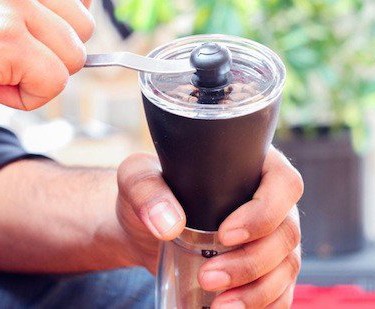
Why grinding coffee at home matters
Grinding beans at home gives you fresher, more flavorful coffee. Whole beans keep volatile oils and aromatics locked in. Once ground, those compounds start to dissipate quickly, so grinding on demand preserves taste.
Fresh grinding also puts control in your hands. You choose grind size for espresso, pour-over, or French press. That control lets you tailor extraction for brighter, cleaner, or bolder cups.
Using a grinder can save money over time. Whole beans often last longer than pre-ground coffee and tend to be higher quality for the same price. You get café-level flavor at home for less.

How grind size affects flavor and extraction
Grind size controls how water interacts with coffee. Finer grounds expose more surface area, speeding extraction. Coarser grounds slow extraction and yield different flavor profiles.
Key points:
- Fine grind yields more extraction, often brighter or more intense flavors. It suits espresso and Aeropress recipes that require pressure or short contact time.
- Medium grind is common for drip machines and pour-over, balancing clarity and body.
- Coarse grind suits French press or cold brew, producing heavier body and lower acidity.
Match the grind to your brew method to avoid under-extracted (sour) or over-extracted (bitter) coffee. Small adjustments often make big taste differences.

Types of coffee grinders and why burr matters
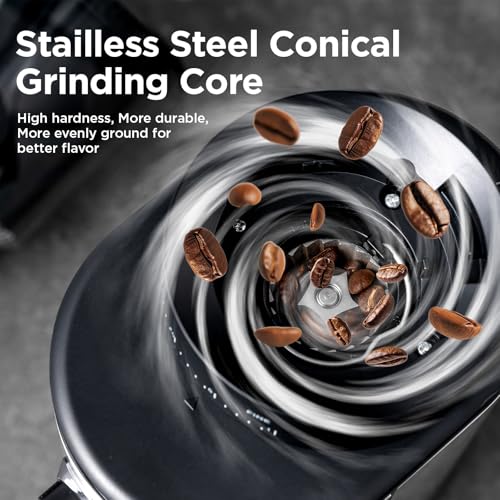
There are two main grinder types: blade and burr. Blade grinders chop beans with a spinning blade. Burr grinders crush beans between two surfaces for a consistent particle size.
Why burr grinders are preferred:
- Consistent particle size improves even extraction and flavor balance.
- Adjustable grind settings let you dial in the right size for each brew method.
- Less heat during grinding preserves delicate aromatics.
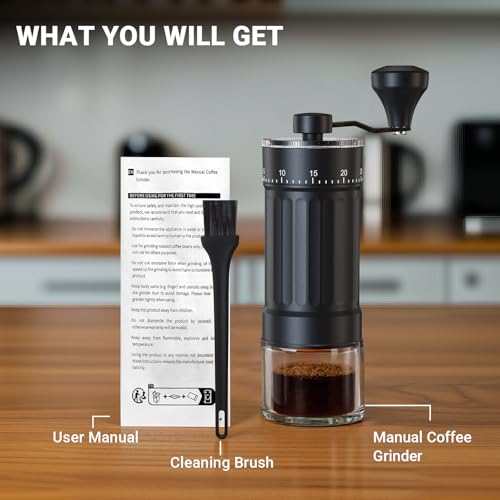
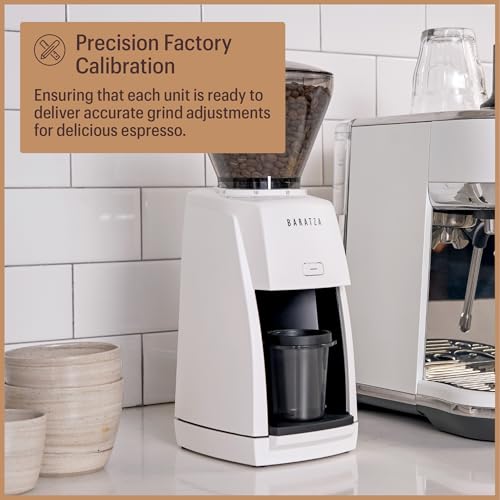
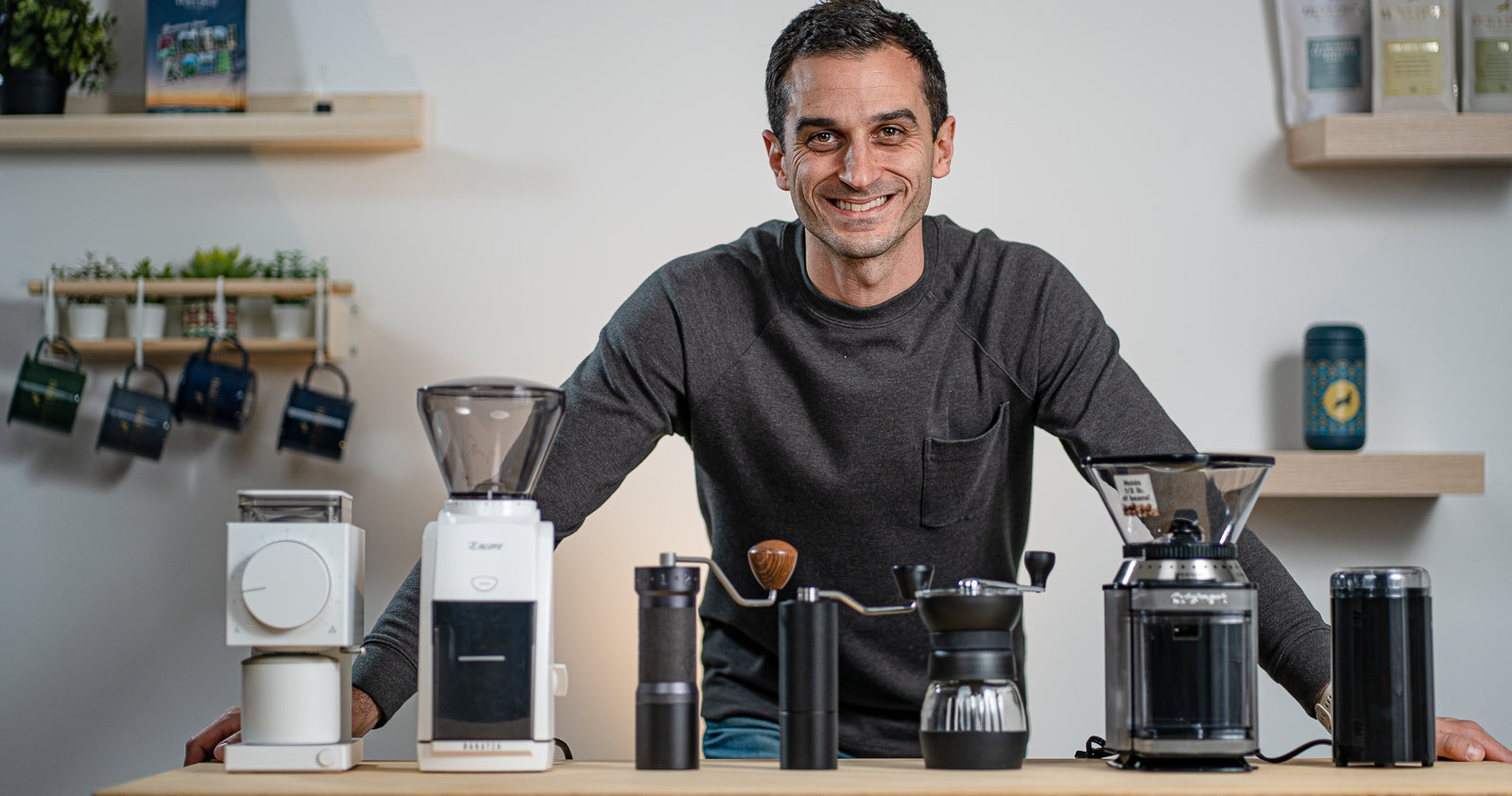
Burr grinders come in flat and conical varieties, plus manual and electric models. Manual burrs are quiet and portable. Electric burrs offer speed and convenience for daily use.
Practical benefits of using a coffee grinder
Using a grinder brings many everyday advantages beyond taste. These benefits improve experience, cost, and routine.
Benefits include:
- Fresher taste and stronger aroma from grinding on demand.
- Customization for each brew method and recipe.
- Reduced waste because you grind only what you need.
- Cost savings by buying whole beans in larger bags.
- Better control over extraction and consistency.
- Greater coffee variety: you can try beans from different regions and roast profiles.
These benefits combine to make brewing at home both fun and rewarding.

Limitations and trade-offs to consider
A grinder adds complexity to your setup. It requires space, budget, and cleaning. Not every coffee drinker needs premium gear.
Common trade-offs:
- Noise: electric grinders can be loud, while manual grinders are quieter.
- Cost: quality burr grinders cost more than blade models.
- Maintenance: grinders need cleaning to avoid stale oils and clogging.
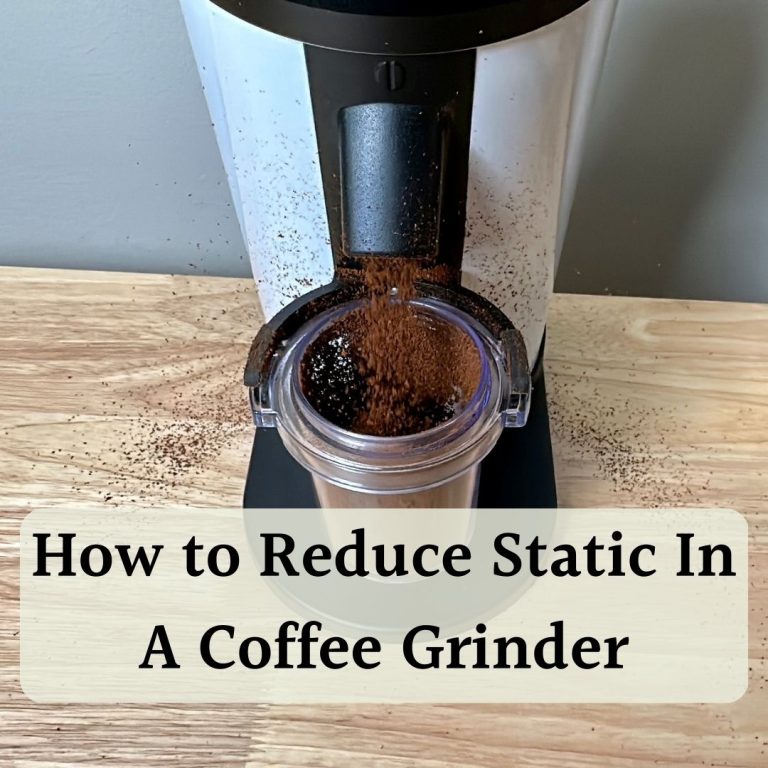
- Grind retention: some grinders hold ground coffee in the chute; that can waste beans and affect freshness.
Weigh these trade-offs against the benefits before buying. For many, the flavor gains justify the investment.
:max_bytes(150000):strip_icc()/sea-primary-coffee-grinders-oct-24-nsimpson-207-b439c1ef1a674697b2825604e5321d5c.jpeg)
How to choose the right grinder for you
Choosing the right grinder starts with your brew methods, budget, and space. Ask yourself how you brew, how often, and how precise you want to be.
Selection tips:
- If you drink espresso daily, choose a high-quality burr grinder with fine adjustment steps.
- For pour-over or drip coffee, a mid-range burr grinder with steady consistency is ideal.
- If you travel or like camping, a manual burr grinder offers portability.
- Set a budget and prioritize burr over blade for flavor improvements.
- Look for easy-to-clean designs to reduce maintenance time.
Try to handle a few models in person if possible. Small details like hopper size and grind adjustment feel make a big difference in long-term use.
Maintenance, cleaning, and best practices
Good care keeps a grinder performing well and tasting great. Regular cleaning removes oils and stale particles that taint flavor.
Basic routine:
- Empty the hopper and run the grinder briefly to clear beans.
- Brush out grounds from the burrs and chute after every few uses.
- Deep-clean with manufacturer-recommended tools or grinder-cleaning pellets monthly.
- Avoid water on electric burrs; use dry brushes or cloths.
- Store whole beans in an airtight container away from heat and light.
I once ignored cleaning for months and noticed a rancid taste. A quick deep clean restored brightness immediately. Regular cleaning prevents that problem.

Personal experience and practical tips
From years of home brewing and working in coffee shops, I’ve learned practical tips that save time and improve flavor.
What worked for me:
- Grind fresh for each brew; only grind what you will drink in 1–2 days.
- Keep a small scale for consistent dosing—small differences matter.
- If switching beans or grind size, purge a few grams to avoid cross-contamination.
- Use a burr grinder with stepless adjustment if you like experimenting.
- Don’t chase perfect gear immediately—learn how grind affects taste first.
Mistakes to avoid:
- Buying a noisy low-quality grinder and expecting café results.
- Using pre-ground coffee for specialty brews.
- Skipping regular cleaning.
These lessons reduced wasted beans and made my morning routine faster and more enjoyable.
Common brewing scenarios and recommended grind settings
Match grind settings to methods for consistent results. Use these as starting points and tweak to taste.
Guideline settings:
- Espresso: fine, almost like powdered sugar. Short extraction time, high pressure.
- Aeropress: fine to medium-fine, depending on recipe and steep time.
- Pour-over: medium, similar to table salt. Focus on pour technique and flow rate.
- Drip coffee maker: medium, slightly coarser than pour-over.
- French press: coarse, resembling sea salt. Long steep time, full body.
- Cold brew: very coarse, large particles for long, low-temperature extraction.
Remember that bean origin, roast level, and age influence behavior. Small grind tweaks often solve extraction problems faster than changing recipes.
Economic and sustainability benefits
Grinding beans at home can reduce waste and lower cost per cup. Buying whole beans in larger bags reduces packaging and often offers better value.
Benefits include:
- Lower long-term cost compared to daily café purchases.
- Ability to choose sustainably sourced or single-origin beans.
- Less waste if you grind only what you need.
- Opportunity to support ethical roasters by buying direct or in bulk.
If sustainability matters to you, combine a durable grinder with beans from responsible suppliers for a lower-impact coffee habit.
Related concepts: roast level, bean origin, and storage
Grind is one piece of a larger puzzle. Roast level and bean origin also shape the final cup, and storage affects freshness.
Quick notes:
- Lighter roasts often highlight acidity and origin character, benefiting from precise grind control.
- Darker roasts extract faster and may require coarser grinds to avoid bitterness.
- Store beans in airtight containers away from heat and light to preserve oils and aromatics.
Understanding how grind interacts with roast and storage leads to better brewing outcomes.
Frequently Asked Questions about benefits of using a coffee grinder
What is the main benefit of using a coffee grinder?
Grinding your own beans keeps coffee fresher, preserving aroma and flavor. It also gives you control over grind size and extraction.
Does a coffee grinder make coffee taste better?
Yes. Freshly ground beans release oils and aromatics that pre-ground coffee loses over time. The result is more vibrant and nuanced flavor.
Are burr grinders worth the cost?
For anyone who values flavor and consistency, burr grinders are worth the investment. They provide uniform particle size and reliable grind settings.
How often should I clean my grinder?
Brush out grounds after every few uses and do a deep clean monthly. Regular cleaning prevents stale flavors and maintains performance.
Can a grinder save me money?
Over time, buying whole beans and grinding at home lowers the per-cup cost compared to daily café purchases. It also reduces waste if you grind only what you need.
Conclusion
Using a coffee grinder transforms everyday coffee into a controllable, fresher, and more satisfying experience. You gain better flavor, consistent extraction, and the flexibility to explore brewing methods and beans. Start by choosing a burr grinder that fits your routine, keep it clean, and practice small adjustments to grind size—those tiny changes will reward you with noticeably better cups. Try grinding fresh for a week and notice the difference; then share your results or questions in the comments to keep learning.