How Coffee Grinder Works: Simple Guide For Better Coffee


A coffee grinder chops whole beans into uniform particles to unlock fresh flavor and proper extraction.
I’ve spent years testing home and shop grinders, and I’ll walk you through exactly how coffee grinder works. This guide explains the mechanics, the types, the grind-to-brew links, maintenance tips, common problems, and buying advice. Read on for clear, practical steps to get better coffee from bean to cup.
How Coffee Grinders Work: The Basics
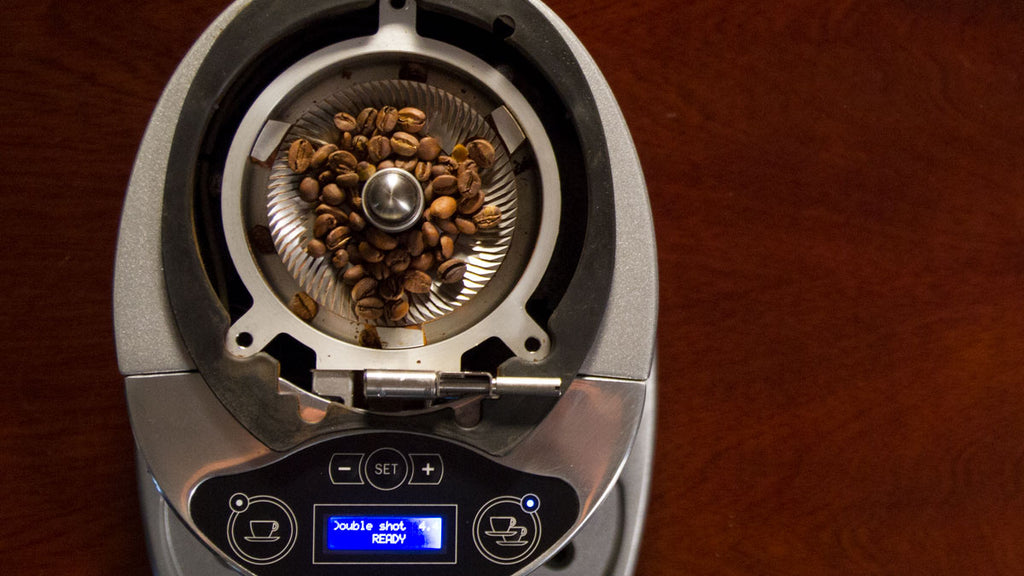
A coffee grinder turns whole beans into smaller particles. It uses one of two main methods: impact or shearing. Impact grinders use fast-spinning blades that hit beans. Shearing grinders force beans between two surfaces called burrs. Burrs crush and slice beans in a controlled way. Understanding how coffee grinder works helps you pick the right model for your brew and budget.

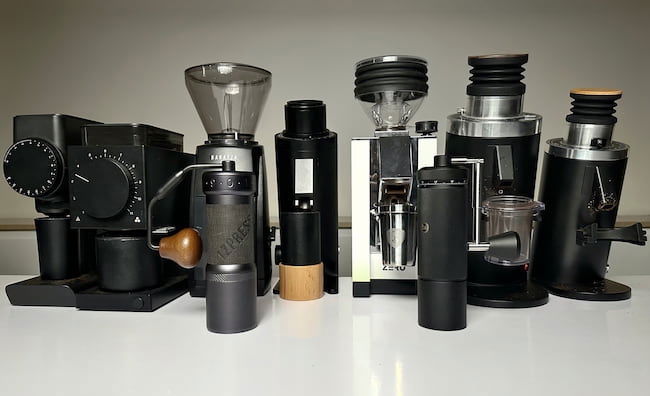
Types of Coffee Grinders
Grinders come in several common formats. Each shows a different way of how coffee grinder works.
- Blade grinders
- Cheap and fast. They chop beans with a spinning blade.
- Grind is uneven, so extraction can be inconsistent.
- Burr grinders
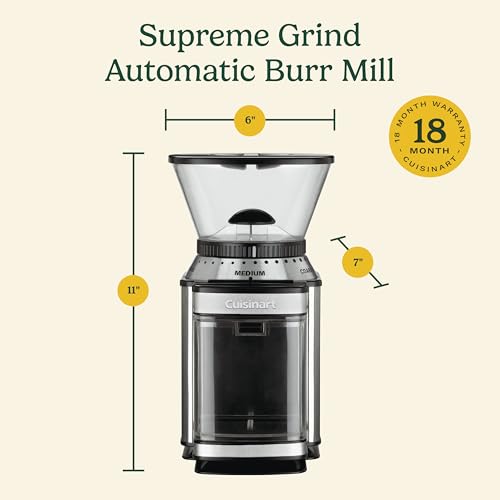
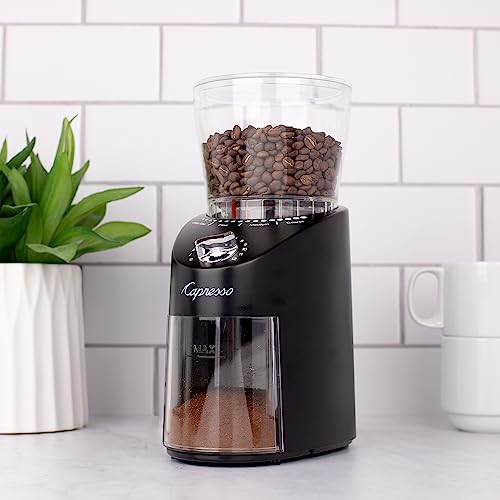
- Use two abrasive surfaces to crush beans evenly.
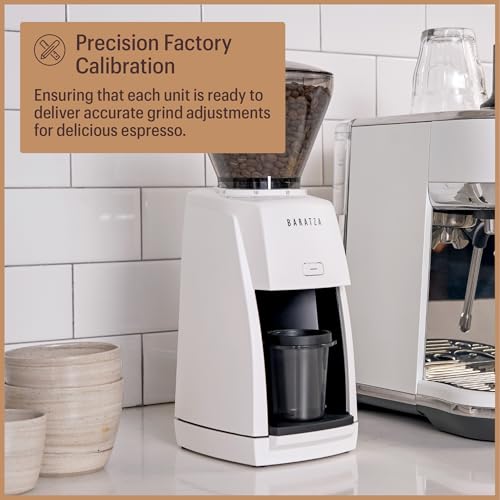
- Offer control over grind size and consistency.
- Manual grinders
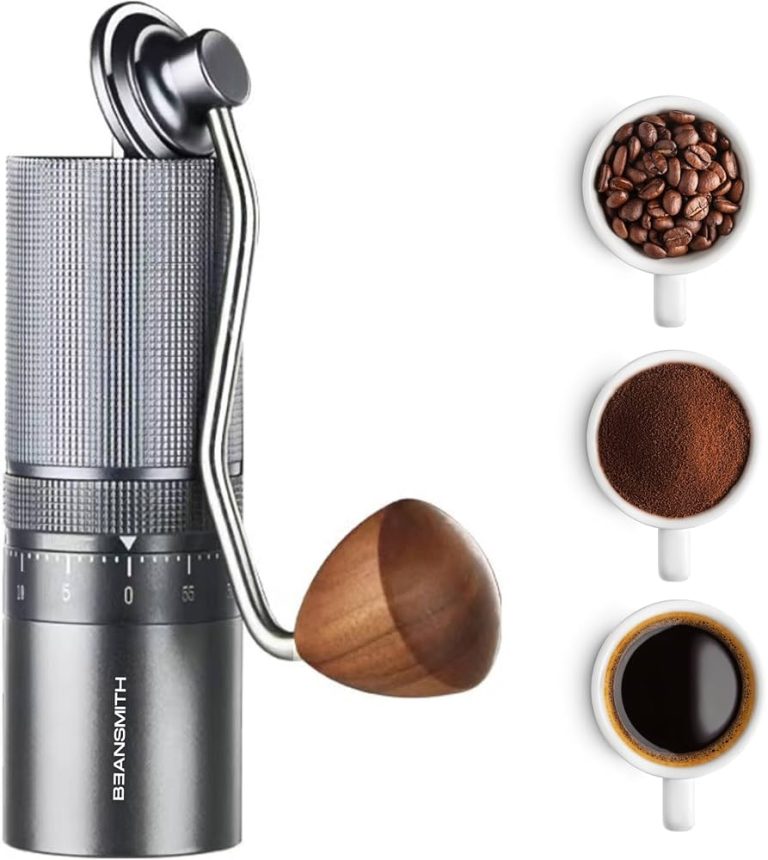
- Hand-cranked burrs. Good for travel or low-noise use.
- You control speed and pressure, which affects uniformity.
- Commercial grinders
- Built for cafes. Larger motors and precise dosing.
- Designed to grind many doses without overheating.

Burr vs Blade: Why It Matters
The difference shows why how coffee grinder works affects taste.
- Burr grinders give uniform particle size. Uniform size yields even extraction. This reduces bitterness and sour notes.
- Blade grinders create varied particle sizes. Fine dust and large chips extract unevenly. That leads to mixed flavors.
- Burr materials and shape matter. Ceramic stays cool but can chip. Steel is durable and transfers heat faster.
- Grind retention varies by design. Some grinders trap grounds, which ages the coffee and affects flavor.
Grind Size, Extraction, and Brew Methods
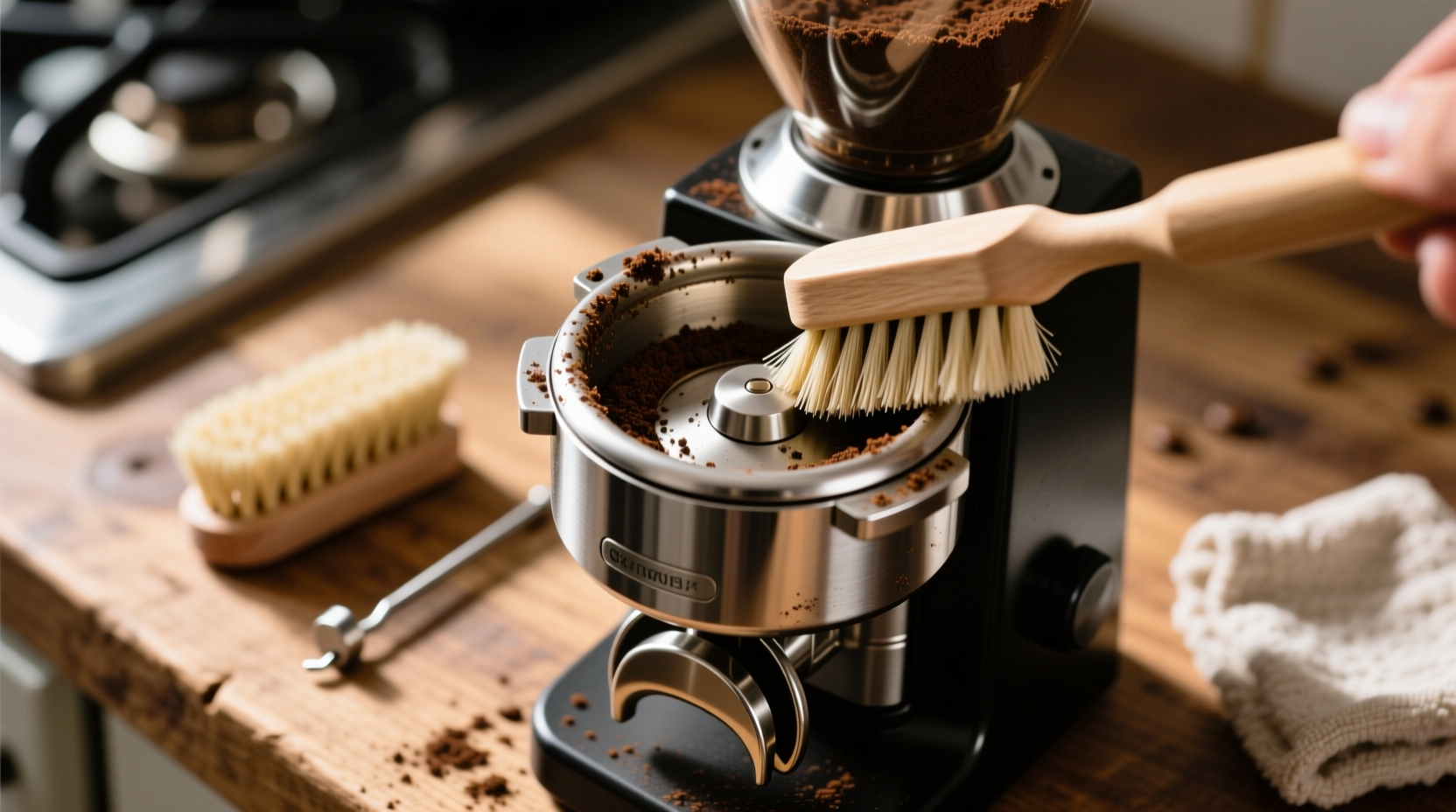
Grind size is the bridge between how coffee grinder works and your cup. Adjusting grind size changes contact area and extraction speed.
- Extra coarse — cold brew, long steep. Large chunks, slow extraction.
- Coarse — French press, percolator. Bigger particles, quick steep.
- Medium-coarse — Chemex and some pour-overs. Balanced flow and extraction.
- Medium — drip coffee machines. Good for paper-filter brews.
- Medium-fine — Aeropress (shorter times) and some pour-overs.
- Fine — espresso. Very small particles and high pressure.
- Extra fine — Turkish coffee. Almost powder-like for full extraction.
A grinder that lets you dial grind size precisely shows how coffee grinder works in action. Match the grind to the brew. Test and adjust by taste.

Motor, RPM, and Heat: Technical Factors
How coffee grinder works also depends on motor speed and design.
- RPM (revolutions per minute) affects heat and particle size. High RPMs can heat beans and alter flavor.
- Gear reduction and torque matter. Lower RPM with strong torque gives steady, cool grinding.
- Motor wattage is not everything. Design and burr size influence performance too.
- Heat and friction can cause oils to smear and change taste. Good grinders control heat with slow speed or cooling design.
Maintenance and Cleaning
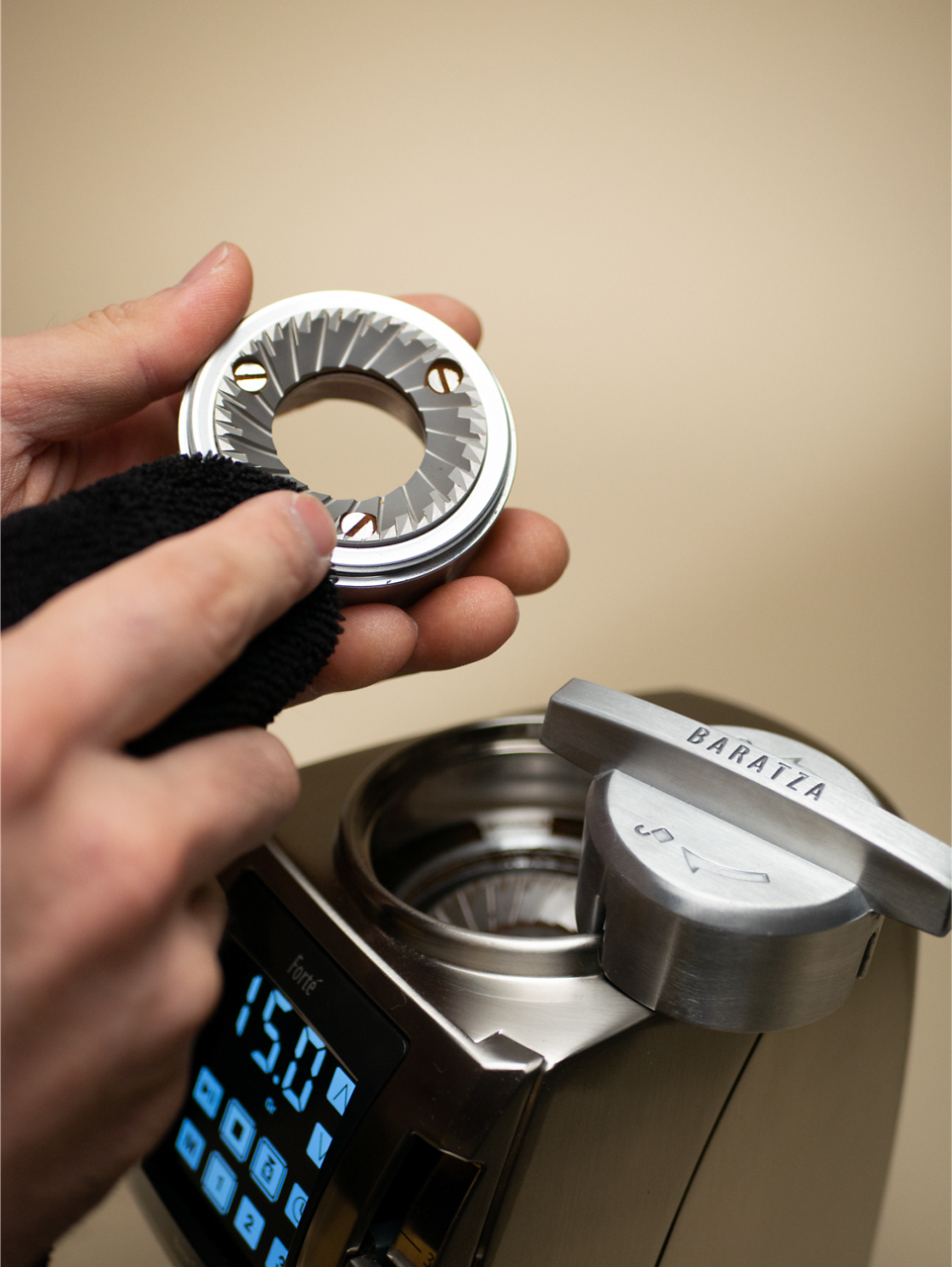
Keeping a grinder clean shows respect for how coffee grinder works and keeps flavor pure.
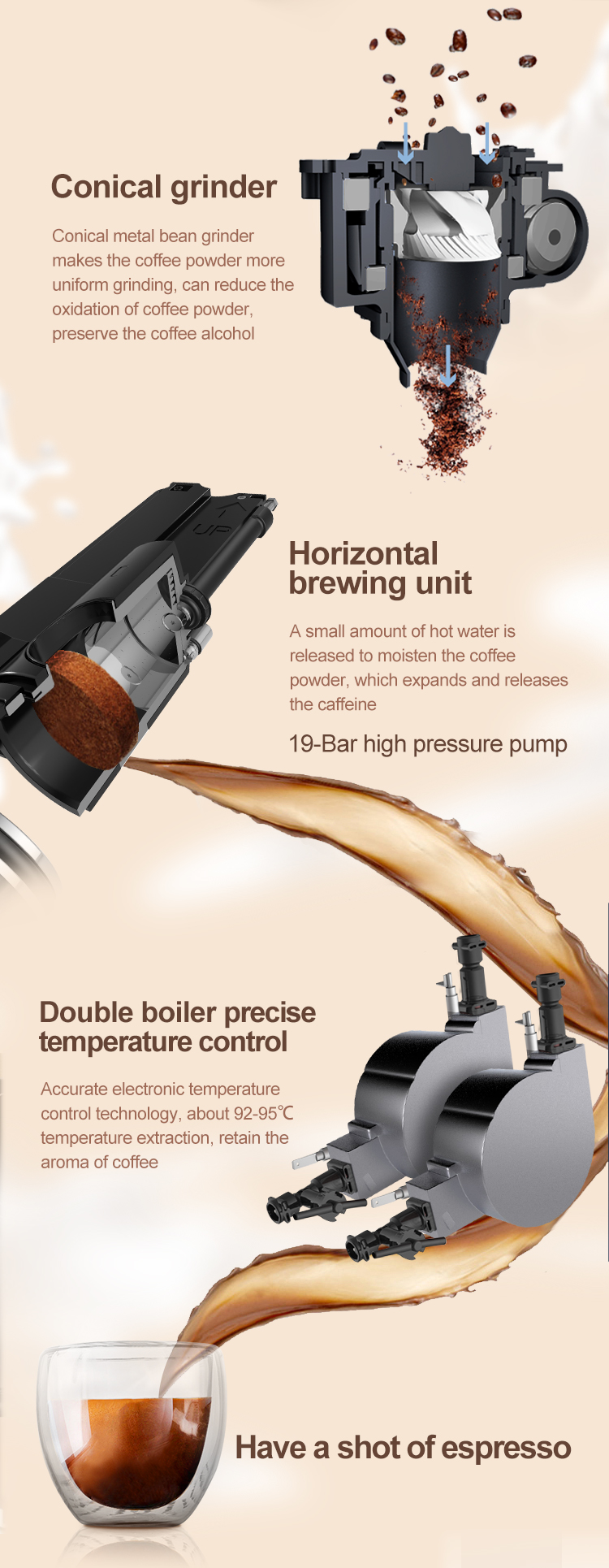
- Empty the hopper and brush out old grounds after each use.
- Deep clean burrs monthly or per manufacturer guidance.
- Use a soft brush and a dry cloth. Avoid water on metal burrs unless designed for it.
- Consider grinder cleaning pellets for periodic maintenance to remove oils.
- Recalibrate grind settings if you notice inconsistent size or increased retention.
Common Problems and Troubleshooting
Most issues come from simple causes once you understand how coffee grinder works.
- Inconsistent grind
- Cause: worn burrs or incorrect settings.
- Fix: replace burrs or reset to a known grind mark.
- Excessive noise or vibration
- Cause: misaligned burrs or trapped debris.
- Fix: unplug, clear debris, and realign parts per manual.
- Static cling and mess
- Cause: dry grounds and high RPM.
- Fix: tap the catch, use anti-static brushes, or lightly mist beans before grinding.
- Overheating and oily grounds
- Cause: long grind runs or high-speed motors.
- Fix: grind smaller doses and allow cool-down periods.

How to Choose the Right Grinder
Deciding comes down to your goals and budget. Think about how coffee grinder works in relation to your routine.
- For espresso lovers
- Choose a burr grinder with fine, repeatable settings.
- Look for low retention and good dose control.
- For filter coffee fans
- A mid-range burr grinder is ideal.
- Focus on consistency across medium to coarse settings.
- For casual drinkers on a budget
- A blade grinder works but expect variable extraction.
- Consider a manual burr for better taste at low cost.
- For cafes or heavy use
- Invest in a commercial grinder with durable parts and service support.
Personal Experience and Practical Tips
I’ve used many models at home and in small cafes. That taught me what matters most in how coffee grinder works.
- Start with a burr grinder if your budget allows. The flavor gains are clear.
- Avoid ultra-high RPM cheap grinders. They heat beans and mute flavors.
- Keep a log of settings and tasting notes. Small changes make big taste differences.
- Don’t ignore cleaning. Old oils hide fresh flavor.
- When testing a new grinder, try the same beans and brew method to compare fairly.
Frequently Asked Questions of how coffee grinder works
How does a burr grinder work?
A burr grinder forces beans between two abrasive surfaces called burrs. The gap between burrs sets particle size and creates uniform grounds.
How does a blade grinder work?
A blade grinder uses a spinning blade to chop beans into pieces. It creates uneven particle sizes, which can cause inconsistent extraction.
Does grind size really change coffee taste?
Yes. Finer grinds extract faster and can taste stronger or bitter. Coarser grinds extract slower and can taste weaker or sour.
Can I use pre-ground coffee instead of grinding fresh?
You can, but pre-ground coffee loses aroma quickly. Freshly ground beans usually give a brighter and fuller cup.
How often should I clean my grinder?
Clean small residues daily and do a deep clean monthly. More frequent cleaning helps keep flavors fresh and parts working well.
Is a manual grinder as good as an electric one?
Manual burr grinders can match mid-range electrics for consistency. They are slower and require effort, but they are great for travel and small doses.
Conclusion
Understanding how coffee grinder works gives you control over flavor. Grind method, burr type, and grind size all shape the cup. Clean and calibrate your grinder. Match grind size to brew method. Try small changes and note the results. Ready to improve your coffee? Test your grinder with one bean variety and one brew method this week, and share your results or questions below.