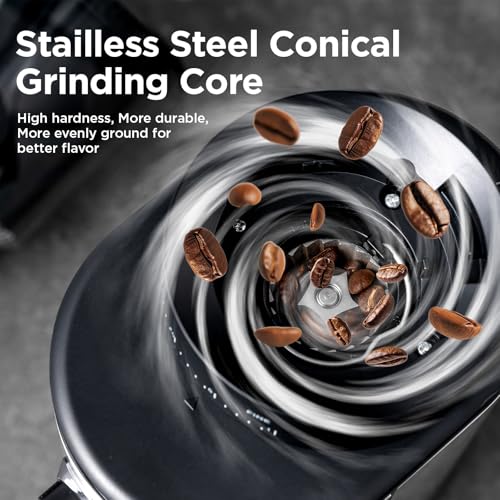
What Is Coffee Grinder Burr: Simple Guide To Burr Types

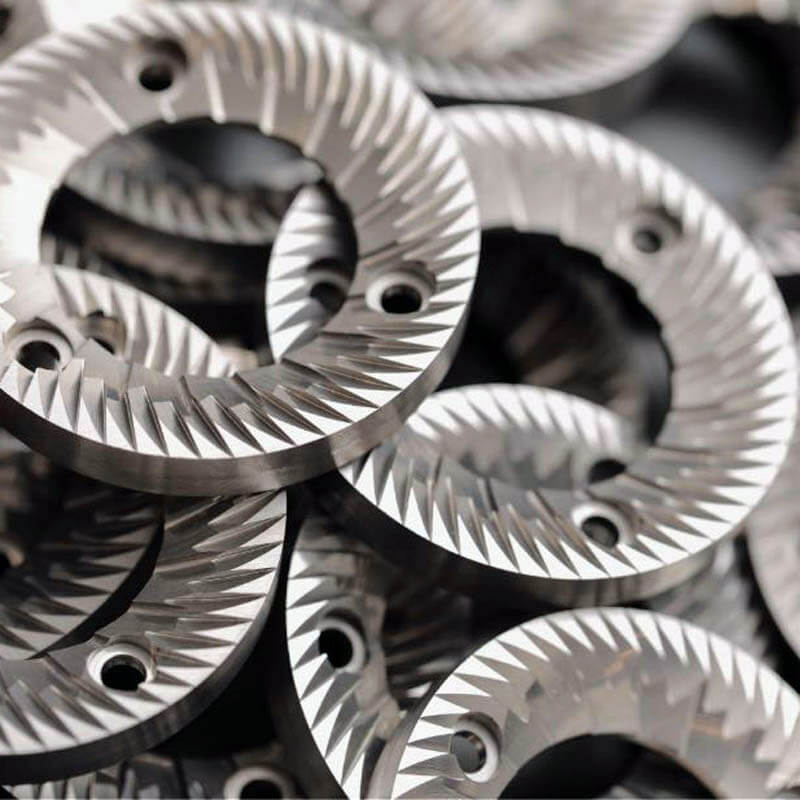
A coffee grinder burr is the hardened ring that crushes beans into uniform grounds.
I’ve worked with grinders and brewed thousands of cups, so I know how much the burr matters. This guide explains what is coffee grinder burr, how burrs shape flavor, which types suit each brew, and practical tips to pick and care for them. Read on to learn clear, tested advice that helps you get better coffee from your grinder.
What is a coffee grinder burr?
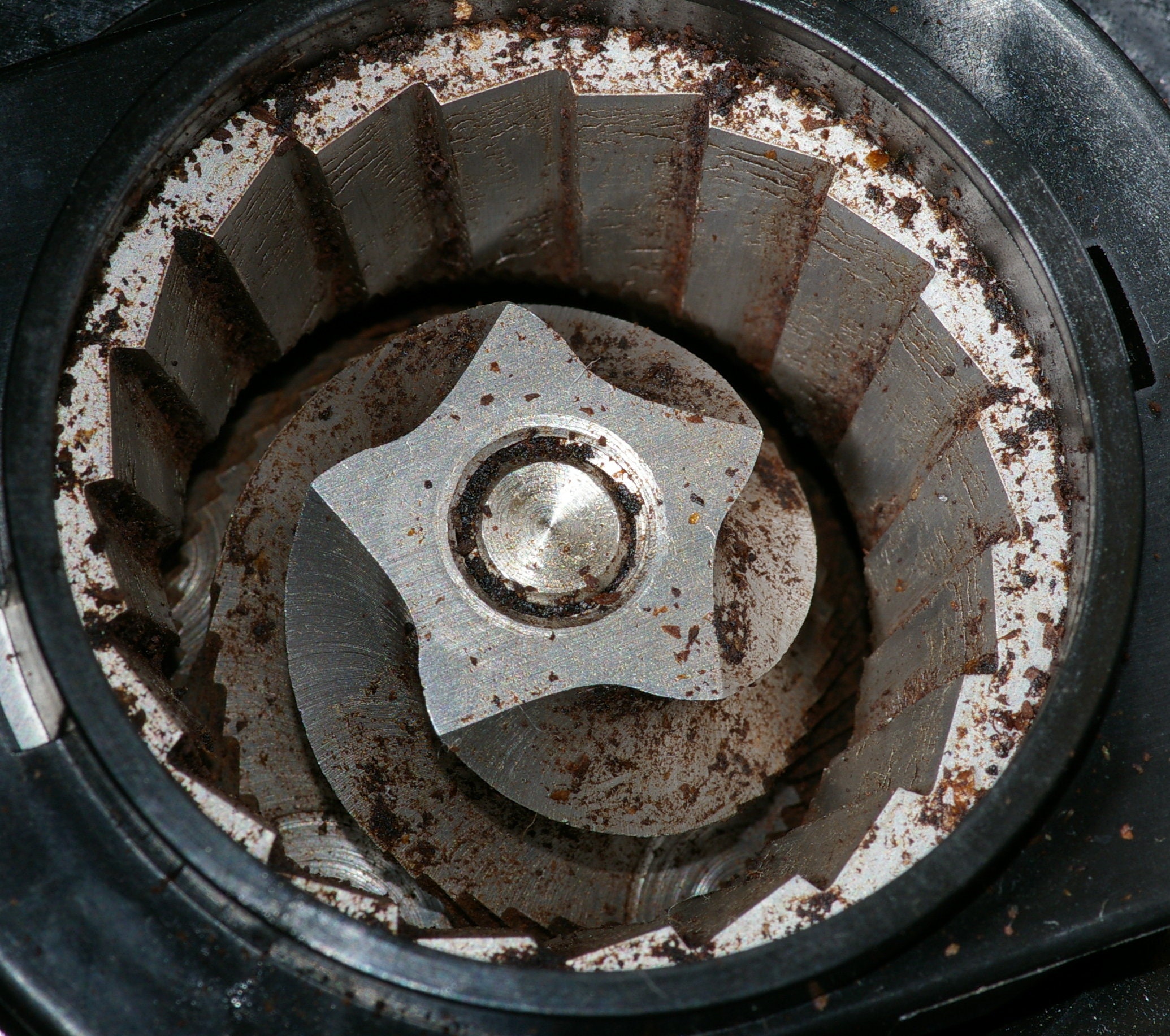
A burr is the part inside a grinder that crushes coffee beans into particles. When people ask what is coffee grinder burr they mean the paired metal or ceramic rings that shear beans rather than chop them. Burrs control particle size and shape, which affects extraction, taste, and consistency. Good burrs make even grounds that brew more predictably and taste better.
Types of burrs: flat, conical, and designs explained
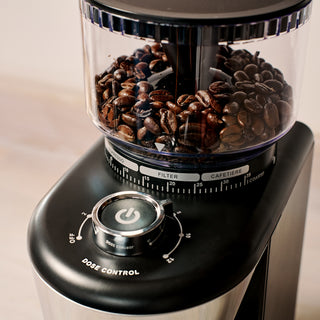
There are two common burr shapes: flat and conical. Flat burrs have two parallel rings and often give very uniform particle size. Conical burrs use a cone inside a ring and can be quieter and less prone to clogging. Both types answer the basic question of what is coffee grinder burr by offering different grind profiles and noise levels, so the choice depends on brewing needs and budget.

Materials and durability of burrs
Burrs come in stainless steel, hardened steel, or ceramic. Steel burrs grind faster and stay sharp longer for heavy use. Ceramic burrs resist heat and avoid metal taste but can chip if misused. Knowing what is coffee grinder burr includes knowing its material, since material affects lifespan, cost, and the flavor neutrality of the grind.
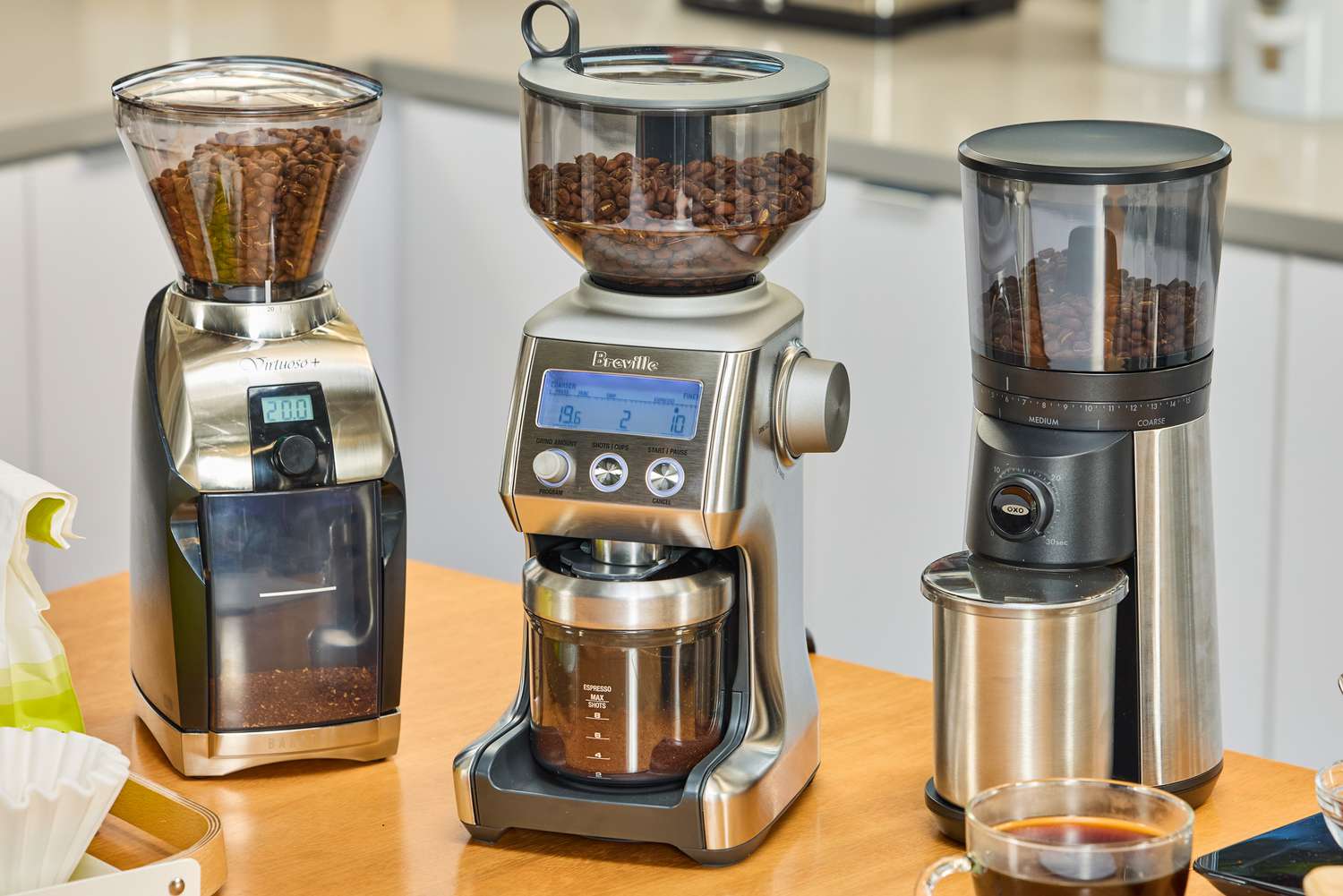
:max_bytes(150000):strip_icc()/sea-primary-coffee-grinders-oct-24-nsimpson-207-b439c1ef1a674697b2825604e5321d5c.jpeg)
How burrs affect grind consistency and flavor
Burrs determine particle size distribution and the amount of fines and boulders. Consistent particle size leads to balanced extraction and clearer flavors. If you want to know what is coffee grinder burr in practical terms, think of it as the part that controls whether your espresso tastes bright and clean or uneven and bitter. A better burr gives fewer extremes and more predictable brewing.

Choosing the right burr for your brew method
Match burr type and size to your brew style. Consider this quick guide to choosing what is coffee grinder burr for each method:
- Espresso: Fine, precise burrs with many settings for small changes in grind.
- Pour-over: Burrs that deliver even medium-fine grinds to highlight clarity.
- French press: Coarser burrs that produce larger particles and low fines.
- Cold brew: Very coarse burrs for long steep times and smooth extraction.
- AeroPress: Versatile burrs with a wide range to handle fine to medium-coarse settings.
Pick a burr that can reach the grind you need and stay consistent over time.
Maintenance, cleaning, and lifespan
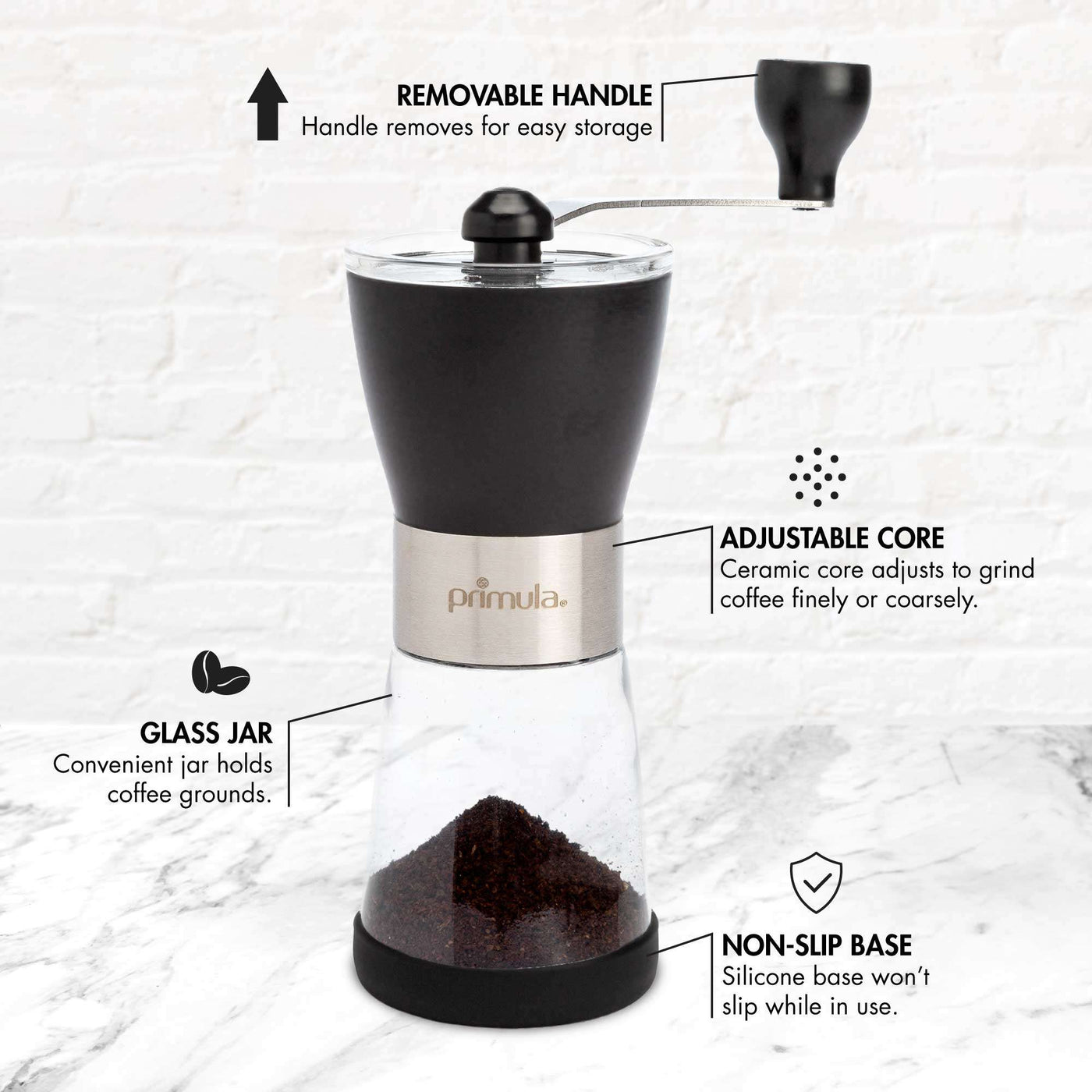
Clean burrs regularly to avoid stale oils and uneven cutting. Disassemble the grinder per the manual and brush or rinse burrs when allowed; dry thoroughly before reassembly. Expect burrs to last hundreds to thousands of pounds of beans; steel usually lasts longer than ceramic under heavy use. Replacing worn burrs often restores grind quality more than buying a new grinder.
 mistakes and tips from experience”
style=”max-width: 100%; height: auto; border: 2px solid black; border-radius: 10px; display: block; margin: 0 auto;”
loading=”lazy”
/>
Common mistakes and tips from experience
I once blamed a machine for bad shots until I looked closely at the burrs; they were dull from years of use. Avoid grinding oily or flavored beans without regular cleaning, and don’t operate the grinder empty at high speed. Calibrate your grinder after cleaning. These small steps answer what is coffee grinder burr in real life: the part that needs care to do its job well.

Buying guide and cost considerations
A burr set or a full grinder can vary widely in price. Entry-level burr grinders use smaller burrs and simpler motors and answer what is coffee grinder burr at a basic level. Mid-range and pro models use larger, higher-quality burrs that cost more but last longer and yield better flavor. Consider aftermarket burr upgrades as a cost-effective way to improve grind quality without replacing the whole grinder.
Quick questions people ask
How is a burr different from a blade?
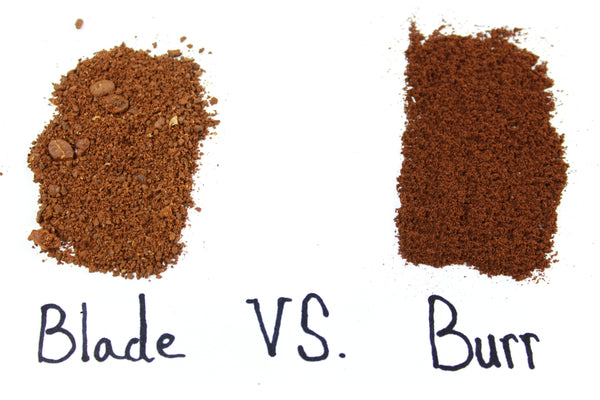
A burr crushes beans between two surfaces to make consistent particles. A blade chops beans randomly, creating uneven sizes and inconsistent extraction.
Do burrs wear out?
Yes. Burrs dull over time with use, which causes inconsistent grinds and poorer flavor. Replacement intervals depend on material and volume of use.
Can I replace burrs on any grinder?
Many grinders allow burr replacement, but fit and compatibility vary. Check manufacturer guidance to ensure correct sizing and alignment.
Frequently Asked Questions of what is coffee grinder burr
What exactly does a burr do in a grinder?
A burr crushes coffee beans into particles by shearing them between two surfaces. It controls particle size and consistency for better extraction.
Which burr type is best for espresso?
Flat and conical burrs can both work for espresso, but many pros prefer high-quality flat burrs for ultra-fine uniformity. Personal preference and espresso machine pairing matter most.
Are ceramic burrs better than steel burrs?
Ceramic burrs resist heat and stay neutral in flavor, but steel burrs often last longer and cut faster for high-volume use. The best choice depends on durability needs and budget.
How often should I clean the burrs?
Light cleaning every 1–2 weeks for home use and deep cleaning monthly is a good rule. Frequent cleaning prevents oil buildup that harms taste and operation.
When should I replace my burrs?
Replace burrs when grind consistency drops, extraction becomes uneven, or you see visible wear. For home users, this can mean after several years; for heavy commercial use, sooner.
Conclusion
Understanding what is coffee grinder burr changes how you choose and care for a grinder. Burrs are the heart of grind quality; the right shape, material, and maintenance deliver better flavor and consistency. Try a small change—clean or recalibrate your burrs—or test a different burr type to see immediate improvements. If this guide helped, leave a comment, subscribe for more coffee tips, or compare grinders to find the burr that fits your brew.