Sugar Free Coffee Cake: Best Low-Sugar Recipe

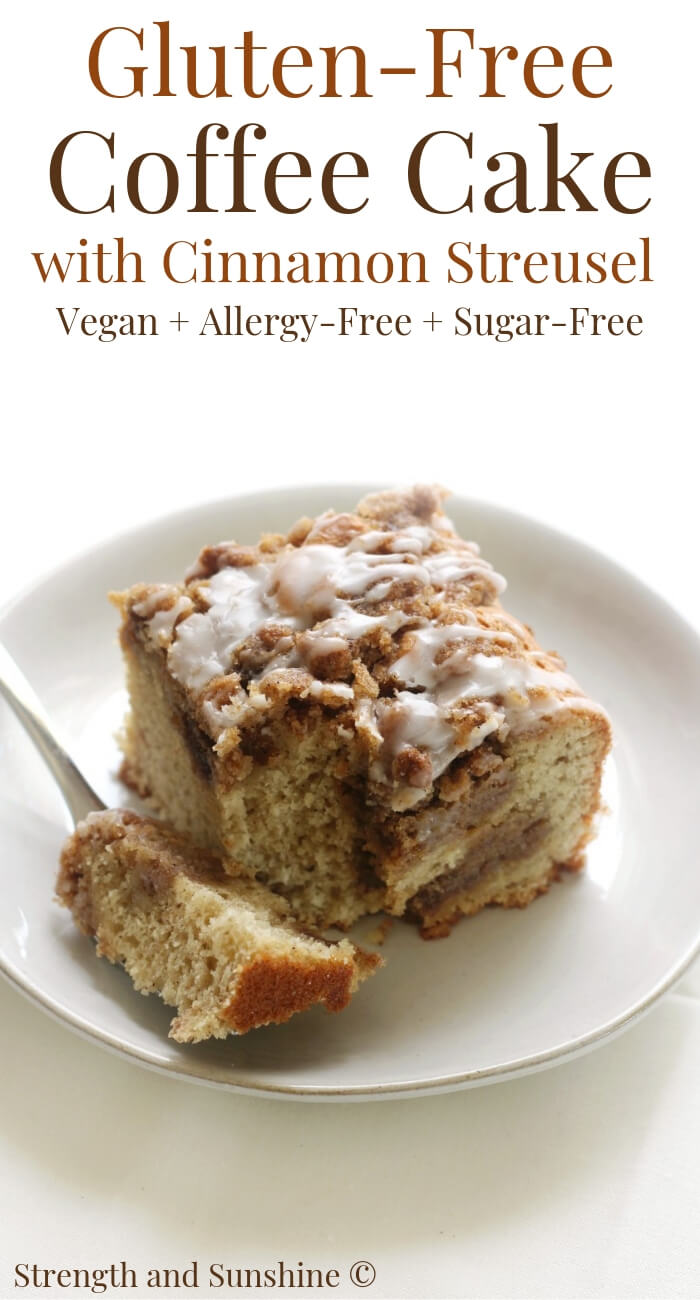
Sugar free coffee cake offers the same cozy flavor with no added sugar, using smart sweeteners.
I’ve baked many versions of sugar free coffee cake over the years. I test recipes, tweak sweeteners, and help friends enjoy dessert without the sugar crash. This guide explains what sugar free coffee cake is, how to make one that tastes great, and what to expect when you swap sugar for alternatives. Read on for recipes, tips, and real-life notes from my kitchen.
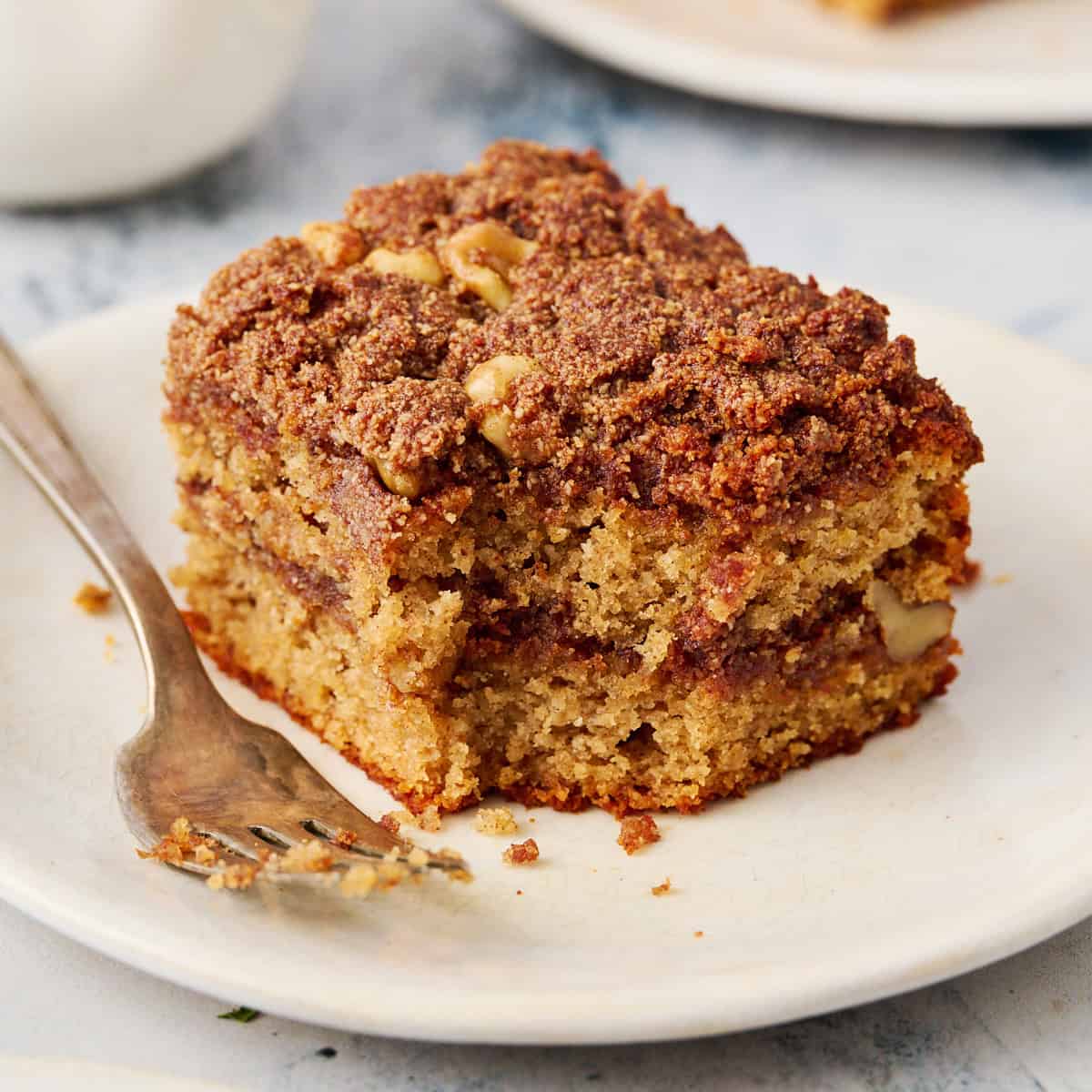
What is sugar free coffee cake?
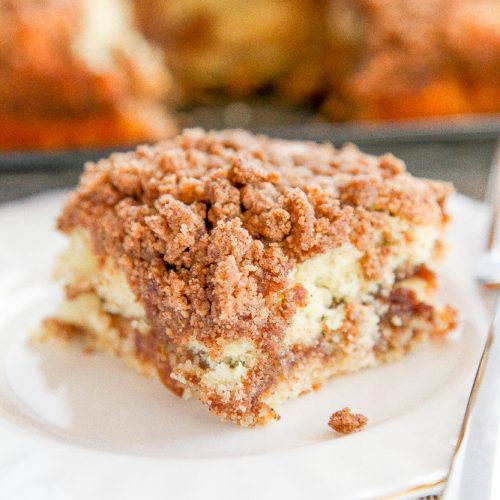
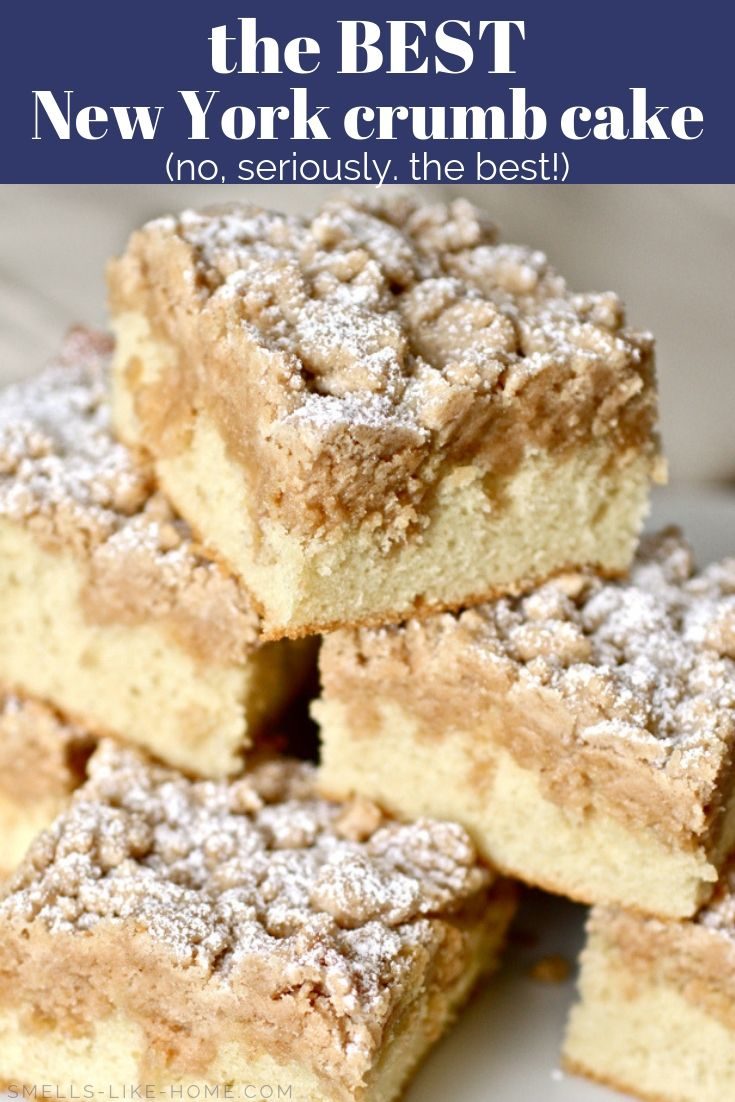
Sugar free coffee cake is a tender, lightly sweet cake meant to be enjoyed with coffee. It uses low- or no-calorie sweeteners instead of granulated sugar. The goal is to keep the crumb moist and the flavor rich while cutting added sugars.
Why people choose sugar free coffee cake:
- It fits lower-sugar diets and some diabetic meal plans.
- It lowers added sugar while keeping dessert rituals.
- It lets you enjoy a dessert without a sugar spike.
From my experience, a great sugar free coffee cake must balance texture and sweetness. Too much artificial sweetener can leave an odd aftertaste. A mix of natural and non-nutritive sweeteners often works best.
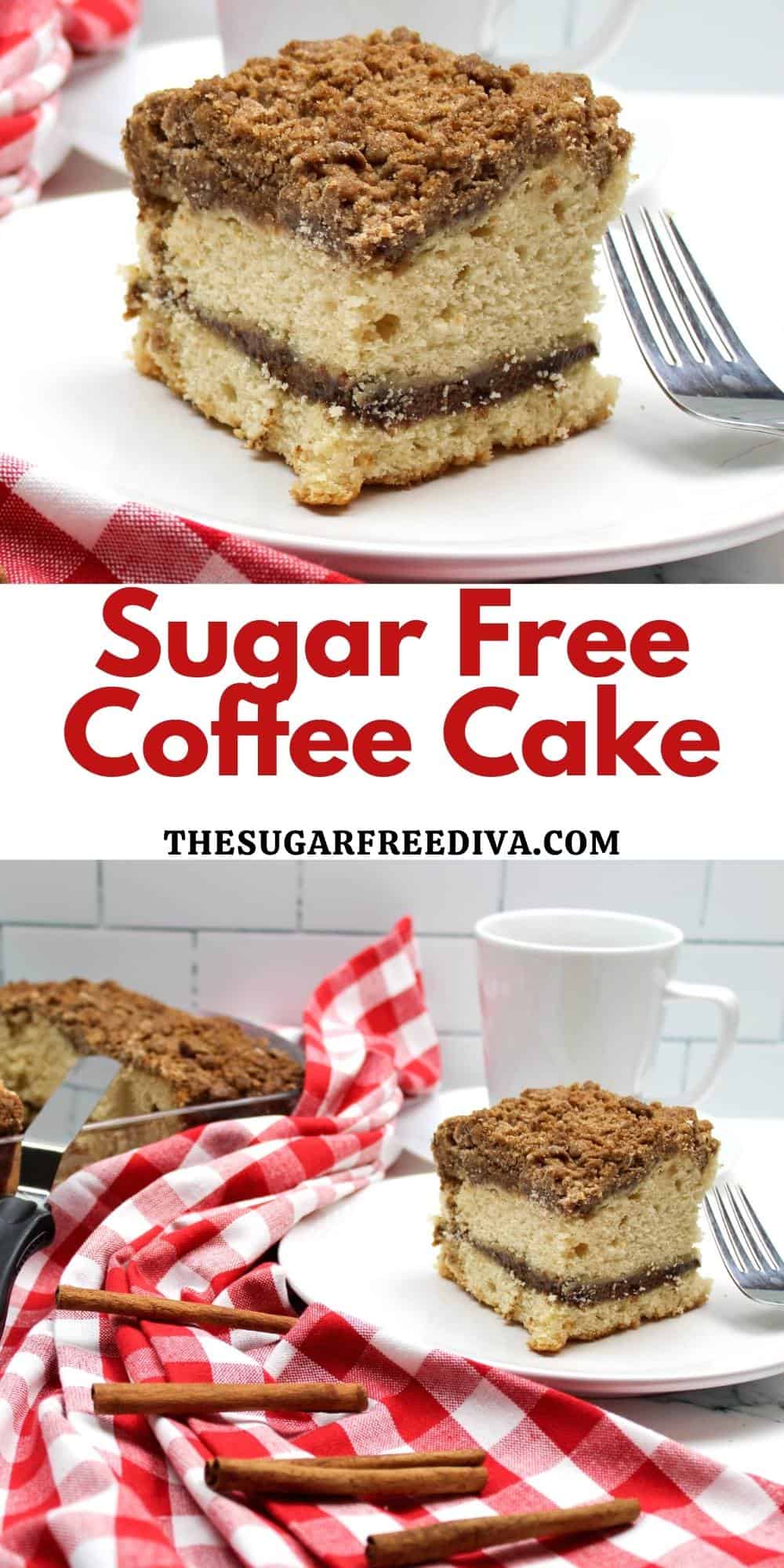
Health benefits and limitations
Sugar free coffee cake can reduce added sugar intake. That may help with weight control and blood sugar management for some people. Many non-nutritive sweeteners have little to no calories. They do not raise blood glucose in most studies when used alone.
Limitations to consider:
- Some sweeteners can leave a cooling or bitter aftertaste.
- Sugar contributes to structure and browning; removing it changes texture.
- Not all "sugar free" treats are low-calorie; fats and carbs still add up.
I always remind friends that "sugar free" isn’t the same as "calorie free" or "ultra-healthy." Read labels and enjoy in moderation.
:max_bytes(150000):strip_icc()/330876-58be47b46b5f4a7dab3de523cbf0e9d8.jpg)
Key ingredients and smart substitutes
A successful sugar free coffee cake relies on quality swaps. Below are common ingredients and good alternatives for sugar free baking.
Essential ingredients:
- Flour: all-purpose or a mix of whole wheat pastry flour for fiber.
- Fat: butter, oil, or a blend for moist crumb.
- Eggs or flax eggs for binding and lift.
- Baking powder and baking soda for rise.
- Milk, yogurt, or sour cream for tenderness.
Sweetener options:
- Stevia extract mixed with erythritol for a more natural taste.
- Erythritol for bulk and mild sweetness.
- Monk fruit sweetener blends for clean sweetness.
- Allulose for great browning and minimal aftertaste.
Toppings and streusel ideas:
- Use almond flour with erythritol and a touch of cinnamon for a sugar free streusel.
- Add chopped nuts or unsweetened coconut for texture.
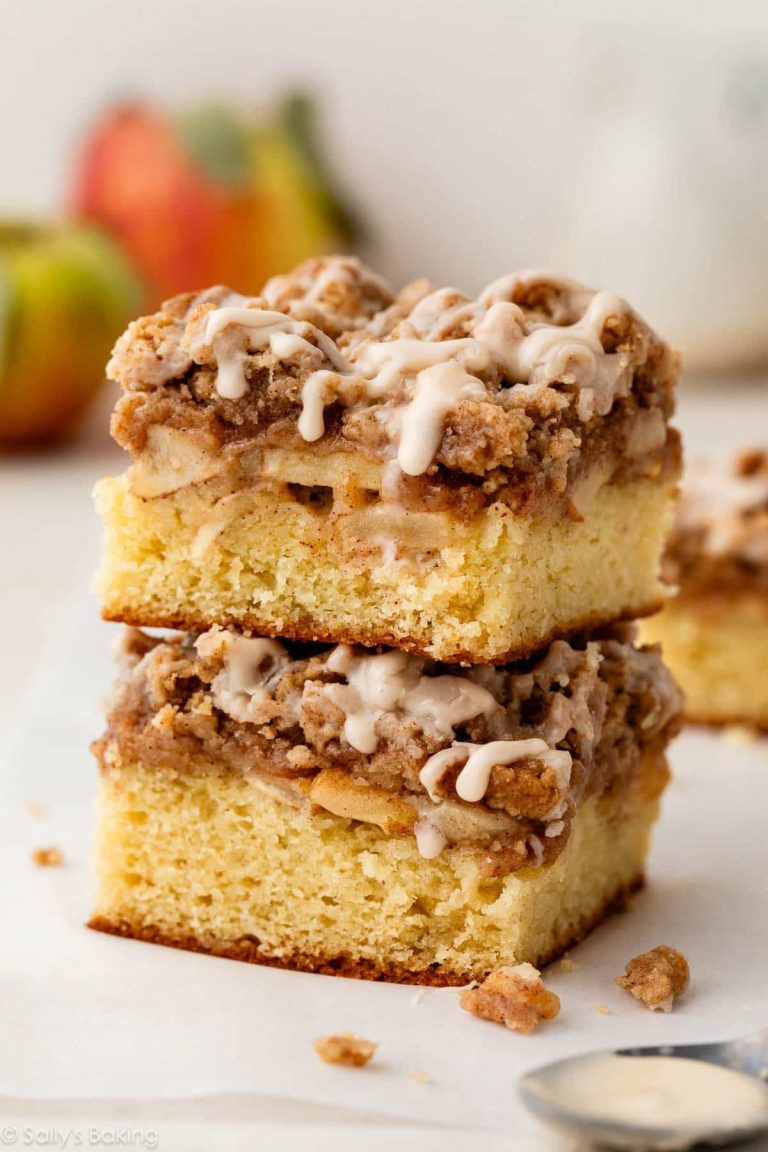
- Use a light sugar free glaze made from cream cheese and powdered erythritol.
From testing, I find blends of sweeteners give the best flavor and texture. Single sweeteners can underperform in taste or baking behavior.

Simple sugar free coffee cake recipe (easy, crowd-pleasing)
This is my go-to sugar free coffee cake. It bakes well and tastes like the classic version.
Ingredients
- 2 cups all-purpose flour
- 1 cup plain yogurt or sour cream
- 1/2 cup softened butter
- 2 large eggs
- 3/4 cup erythritol-stevia blend (or equivalent per sweetener conversion)
- 1 tsp baking powder
- 1/2 tsp baking soda
- 1/4 tsp salt
- 1 tsp vanilla extract
– 1 tsp cinnamon
Streusel
- 3/4 cup almond flour
- 1/4 cup erythritol
- 1/4 cup chopped walnuts
- 2 tbsp melted butter
- 1 tsp cinnamon
Method
- Preheat oven to 350°F. Grease an 8-inch square pan.
- Cream butter and sweetener until light. Add eggs one at a time. Stir in vanilla.
- Mix dry ingredients in a bowl. Alternate adding dry mix and yogurt to the wet mix. Do not overmix.
- Pour half the batter into the pan. Sprinkle half the streusel. Add remaining batter and top with remaining streusel.
- Bake 30–35 minutes or until a toothpick comes out clean. Cool slightly before serving.
Tips from my trials
- Let the cake cool for 15 minutes before slicing to set the crumb.
- If using allulose, reduce oven temp by 10°F to avoid over-browning.
- Taste the batter if you’re unsure about sweetness and adjust a little before baking.
Baking tips and troubleshooting
Small tweaks make a big difference when making sugar free coffee cake.
Quick tips
- Use room-temperature ingredients for even mixing.
- Measure sweeteners by their recommended conversions; 1 cup sugar ≠ 1 cup erythritol in sweetness.
- Add a tablespoon of milk or yogurt if the batter feels thick.
- Shield the top with foil if it browns too fast.
Common problems and fixes
- Cake too dense: fold batter gently and don’t overmix.
- Lacks sweetness: add a little more sweetener next time or serve with a sugar free glaze.
- Dry crumb: increase fat slightly or add an extra egg yolk for moisture.
- Odd aftertaste: try a different sweetener blend or use vanilla and cinnamon to mask flavors.
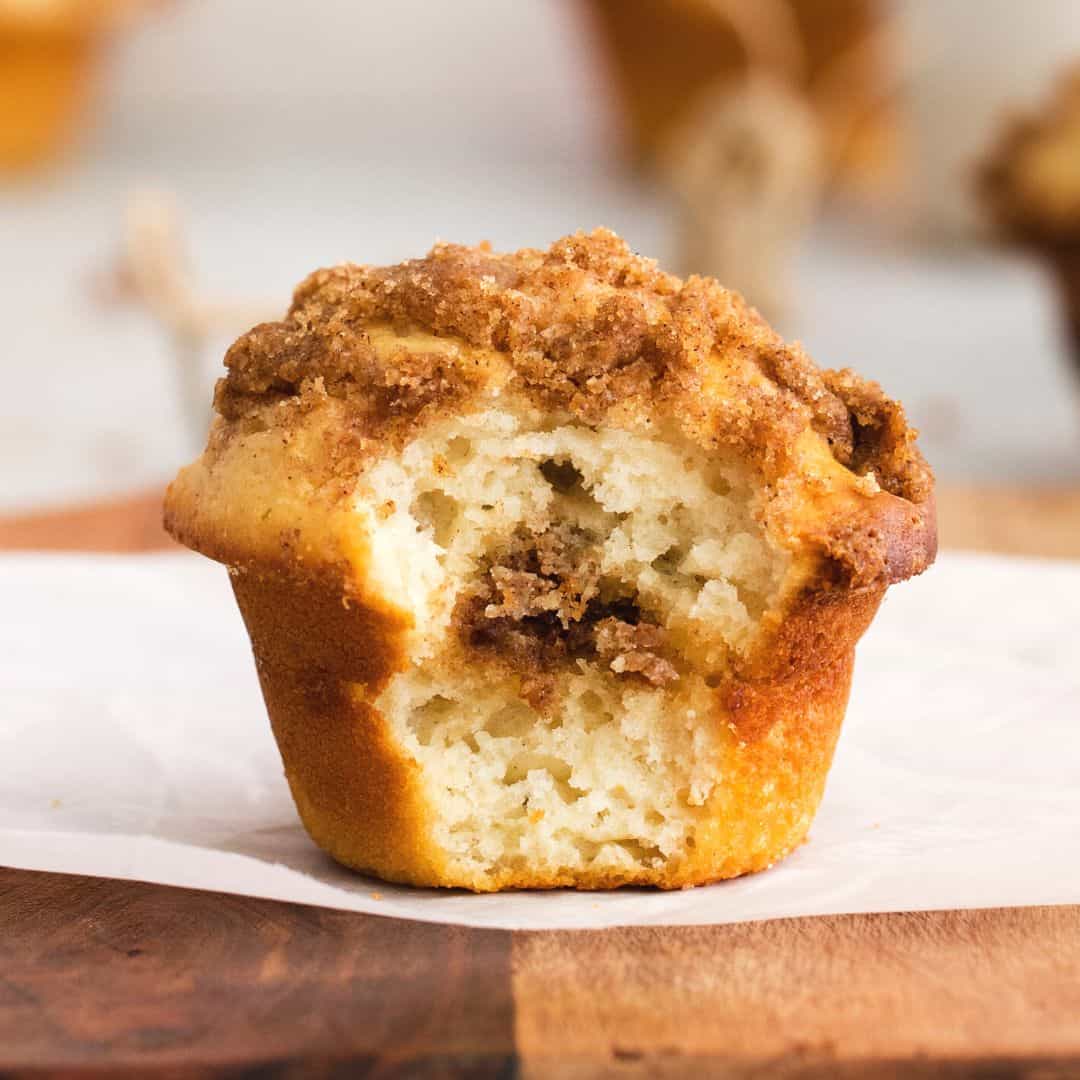
From experience, testing a small muffin batch first can save time. I often bake two muffins to check sweetness and texture before the whole pan.

Variations and serving ideas
You can adapt sugar free coffee cake to many tastes.
Flavor variations
- Lemon zest and poppy seeds for a bright twist.
- Pumpkin puree and warm spices for fall.
- Blueberries folded into the batter for fresh fruit.
Serving ideas
- Warm a slice and spread a little butter.
- Top with a sugar free cream cheese glaze.
- Serve with unsweetened Greek yogurt for added protein.
I like to serve this cake at brunch. Guests often can’t tell it’s sugar free. That’s the best compliment.
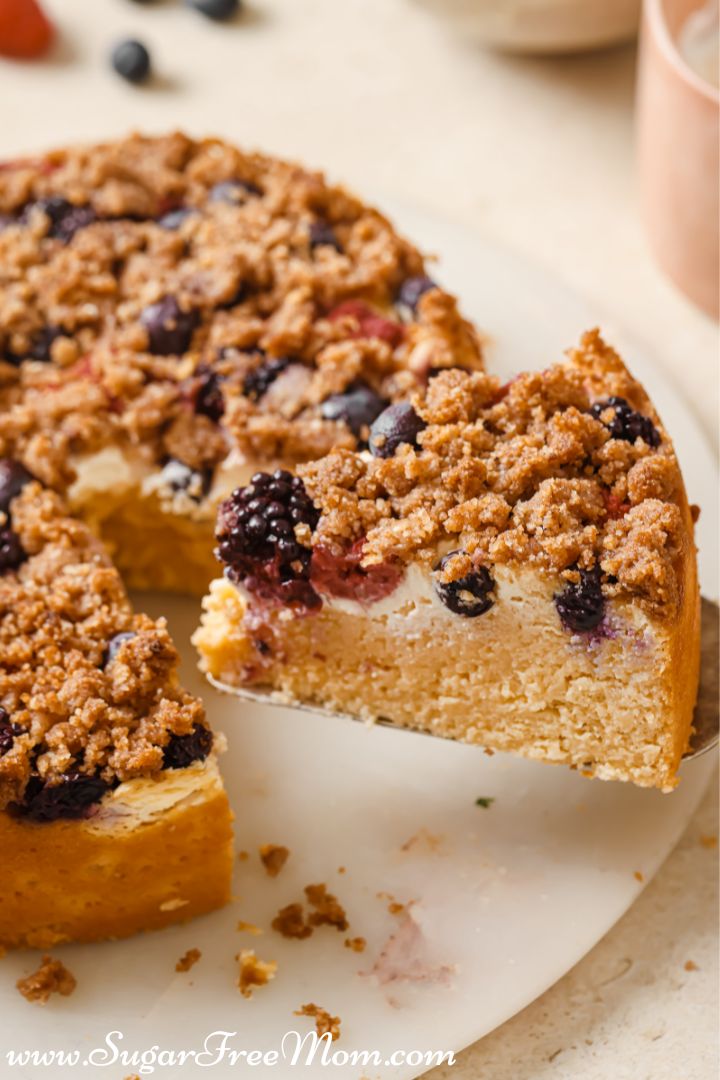
Storage and shelf life
Store your sugar free coffee cake properly for the best texture.
Short-term storage
- Keep at room temperature, covered, for 1–2 days.
- Refrigerate in an airtight container for up to 5 days.
Freezing
- Wrap tightly and freeze for up to 3 months.
- Thaw overnight in the fridge and warm slightly before serving.
Note that frozen cake may be a bit moister or drier depending on ingredients. I label and date each batch to track freshness.

Nutrition and dietary notes
Sugar free coffee cake reduces added sugar but keep other nutrition facts in mind.
What to watch
- Calories still come from flour, butter, and nuts.
- Sweeteners vary in caloric value and GI impact.
- People with sensitive digestion may react to sugar alcohols like erythritol.
Make it fitter
- Use whole grain flours for fiber.
- Replace half the butter with applesauce or mashed banana for lower fat.
- Add nuts or seeds for protein and healthy fats.
I recommend checking your sweetener choices with your healthcare provider if you have medical concerns.
Frequently Asked Questions of sugar free coffee cake
What sweeteners work best in sugar free coffee cake?
A blend of erythritol and stevia or monk fruit often mimics sugar best. These blends balance bulk and sweetness while reducing aftertaste.
Can diabetics eat sugar free coffee cake?
Many diabetics can enjoy sugar free coffee cake in moderation, especially when it uses non-nutritive sweeteners. Always monitor blood sugar and consult a healthcare provider.
Will sugar free coffee cake rise the same as regular cake?
It can, though sugar affects tenderness and browning. Use proper leavening and avoid overmixing to get a good rise.
How do I prevent a grainy texture from erythritol?
Use a finer erythritol powder or blend with other sweeteners. A light blender pulse can remove graininess before baking.
Is sugar free coffee cake suitable for kids?
Yes, in moderation. Kids may prefer the taste of sugar versions, so test sweetness levels and offer healthy sides like fruit.
Conclusion
Sugar free coffee cake proves that you can enjoy comfort desserts with less sugar. With smart sweeteners, careful technique, and small tests, you can bake a moist, flavorful cake that fits many diets. Try the recipe, tweak the sweetener blend, and share what worked for you. If you liked this guide, leave a comment, subscribe for more sugar free baking tips, or try the recipe and tell me how it turned out.