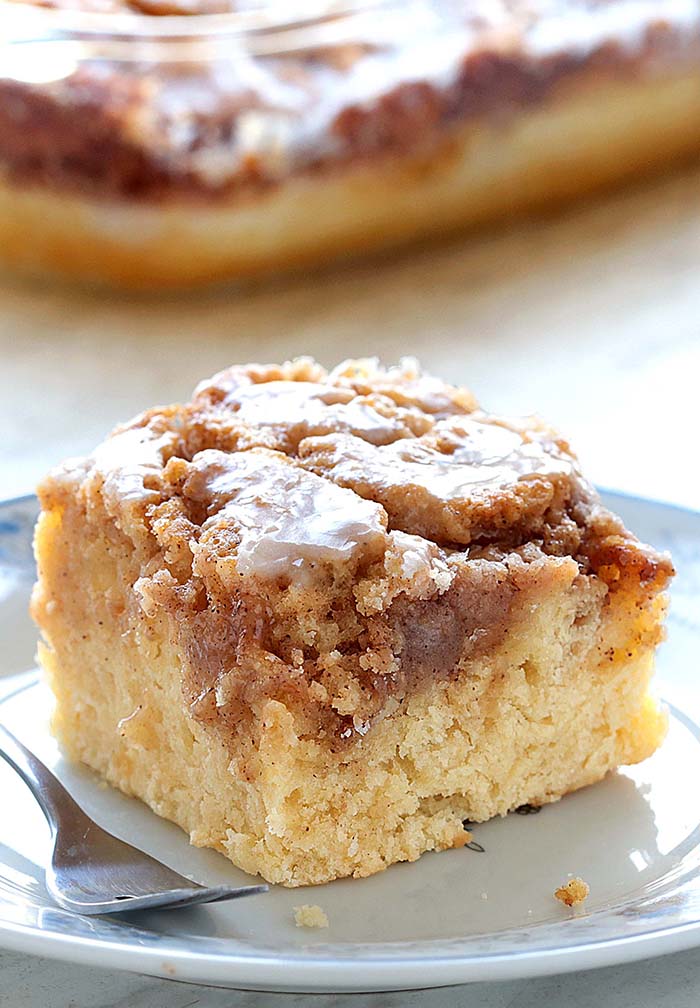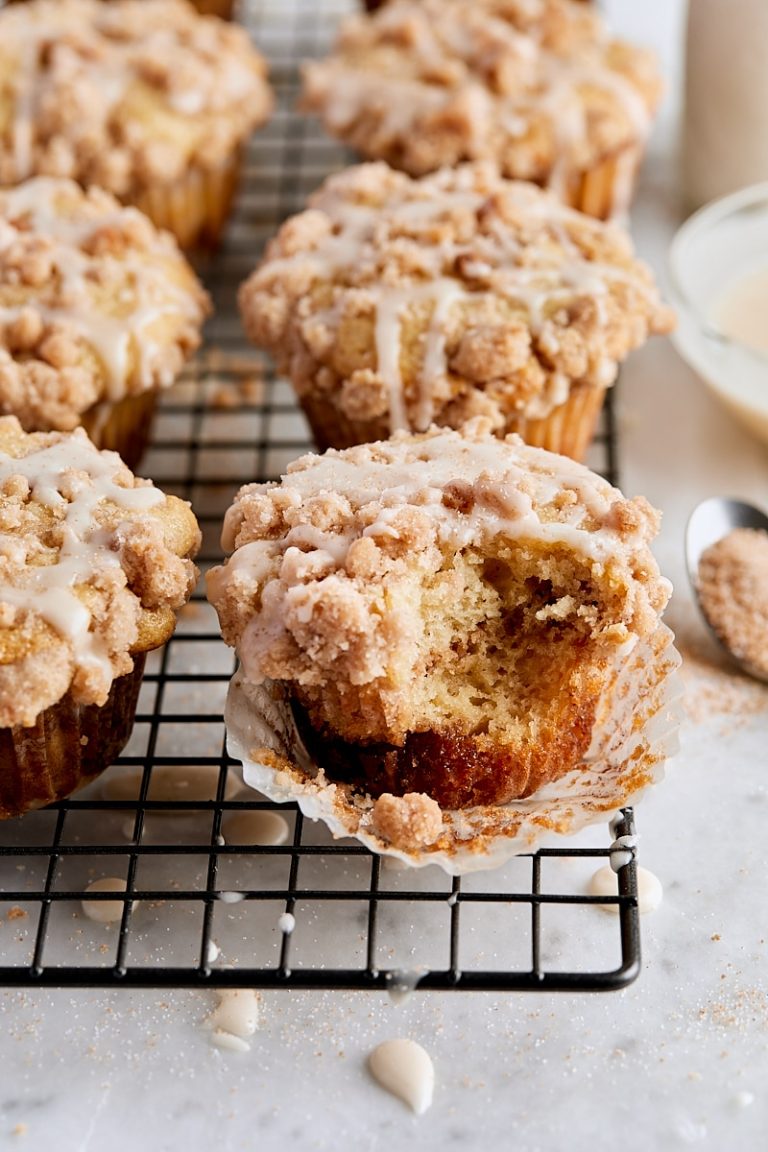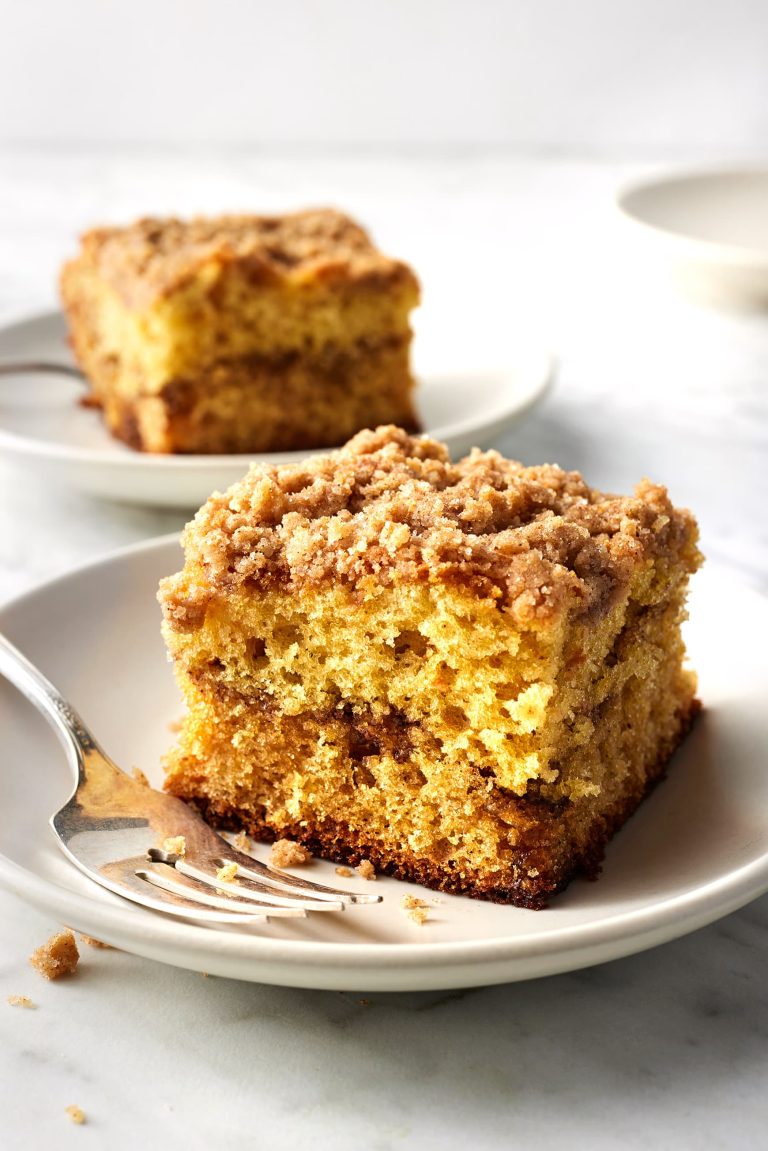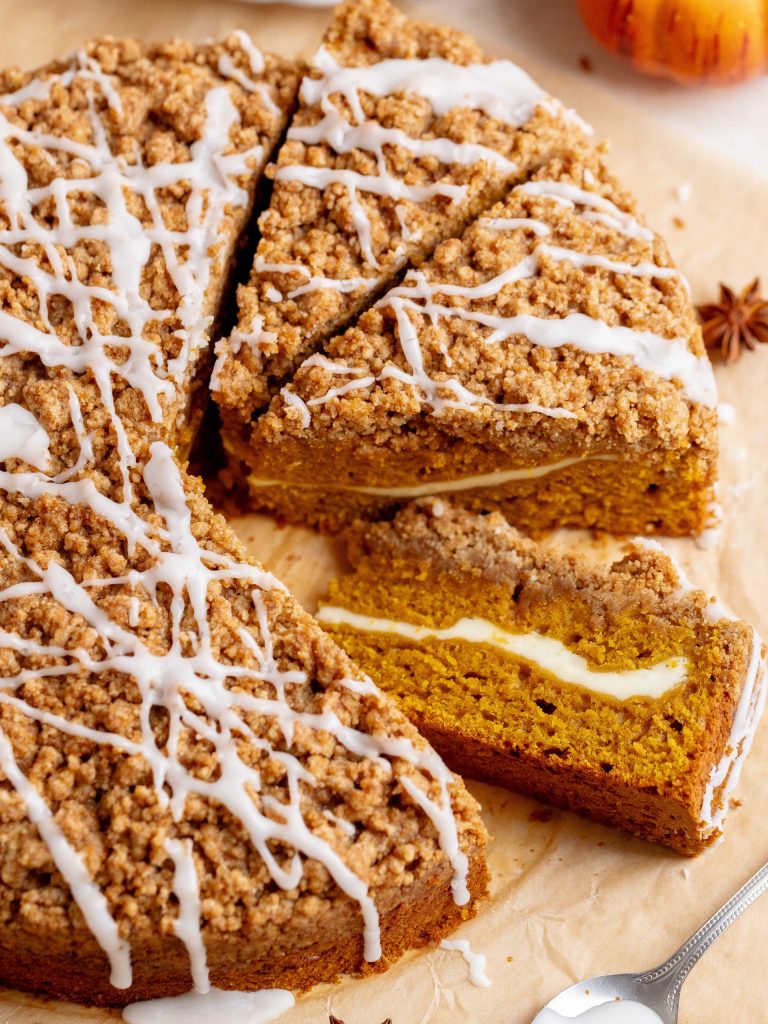
Soft Breakfast Cake Recipe: Easy Fluffy Morning Cake

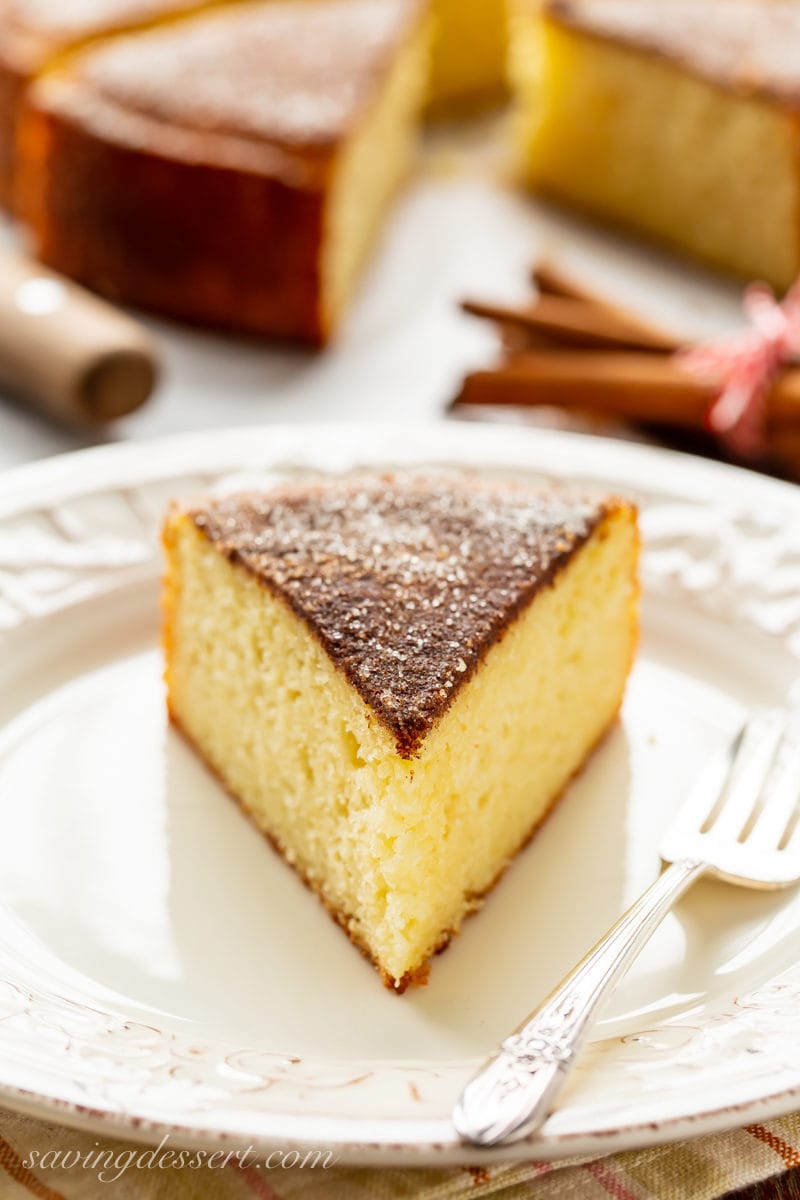
A soft breakfast cake recipe yields a tender, moist cake ready in under an hour.
I’ve baked, tested, and simplified many morning cakes, and this soft breakfast cake recipe is the one I reach for when I want warm, tender slices that pair with coffee and no-fuss prep. In this guide I’ll share a clear, reliable recipe, explain why the technique matters, offer tips from real baking mishaps I’ve fixed, and give easy variations so you can make this soft breakfast cake recipe your new weekday favorite.

Why this soft breakfast cake recipe works
This soft breakfast cake recipe focuses on gentle mixing, balanced fat and liquid, and a modest amount of sugar to keep texture tender without collapsing. Using room-temperature ingredients and a light creaming or folding method traps small air bubbles. Those bubbles expand in the oven to create a fine crumb that feels soft when you bite into it.
The science is simple: protein (flour) and liquid set the structure, fat shortens gluten strands, and sugar tenderizes by holding moisture. I learned that overmixing or using too-heavy liquids turns cakes dense, so this recipe is written to minimize that risk. Follow the steps and you’ll consistently get a moist, soft breakfast cake that stays tender for days.
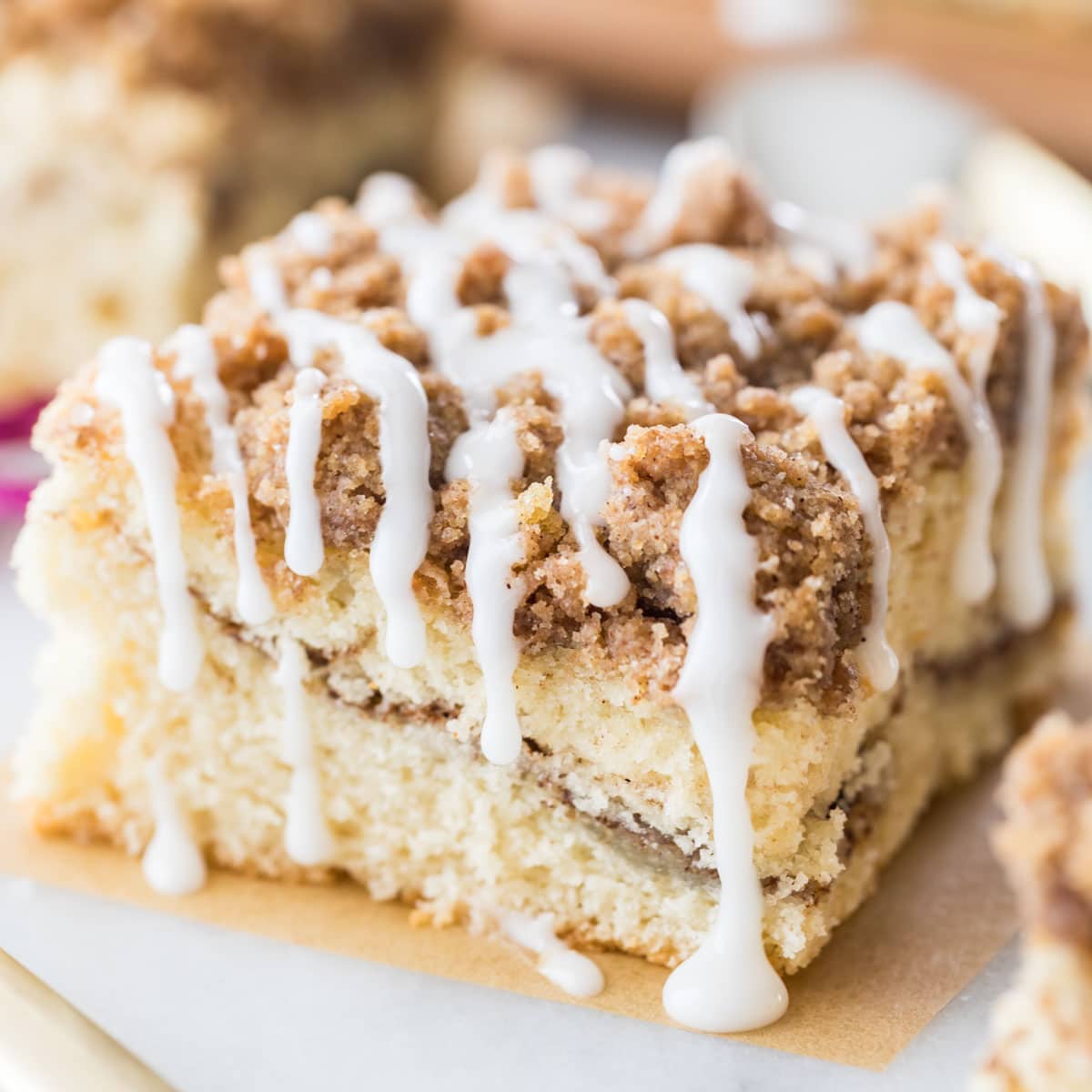
Ingredients (what you need for a perfect soft breakfast cake recipe)
Keep pantry staples on hand. This ingredient list makes one 9×5 loaf or an 8-inch round cake.
- 2 cups all-purpose flour
- 1 cup granulated sugar
- 2 teaspoons baking powder
- 1/2 teaspoon baking soda
- 1/2 teaspoon fine salt
- 2 large eggs, room temperature
- 1/2 cup unsalted butter, melted and cooled slightly
- 1/2 cup plain yogurt or sour cream
- 1/2 cup milk (any kind), room temperature
- 1 teaspoon vanilla extract
- Zest of 1 lemon or orange (optional)
- 1/2 cup add-ins like blueberries, diced apple, or chocolate chips (optional)
Notes:
- Yogurt or sour cream keeps crumb moist and tender.
- Use room-temperature eggs and milk for better emulsification in this soft breakfast cake recipe.

Step-by-step method for the soft breakfast cake recipe
Follow these simple steps for a reliable, soft breakfast cake recipe.
- Preheat and prepare
- Preheat oven to 350°F (175°C). Grease and flour a 9×5 loaf pan or line an 8-inch round pan with parchment.
- Dry ingredients
- Whisk flour, baking powder, baking soda, and salt in a bowl until evenly combined.
- Wet ingredients
- In a separate bowl, beat eggs lightly, then stir in sugar, melted butter, yogurt, milk, and vanilla. Add zest if using.
- Combine gently
- Pour wet into dry. Stir with a spatula just until combined; small streaks of flour are okay. Fold in add-ins gently.
- Bake
- Transfer batter to pan and smooth the top. Bake 40–50 minutes for a loaf, 30–35 minutes for an 8-inch round, or until a toothpick in the center comes out with a few moist crumbs.
- Cool and serve
- Let cake cool 10 minutes in pan, then remove to a rack. Slice warm or at room temperature.
Pro tip: Resist the urge to overmix. The key to a soft breakfast cake recipe is a light hand during the final mix.
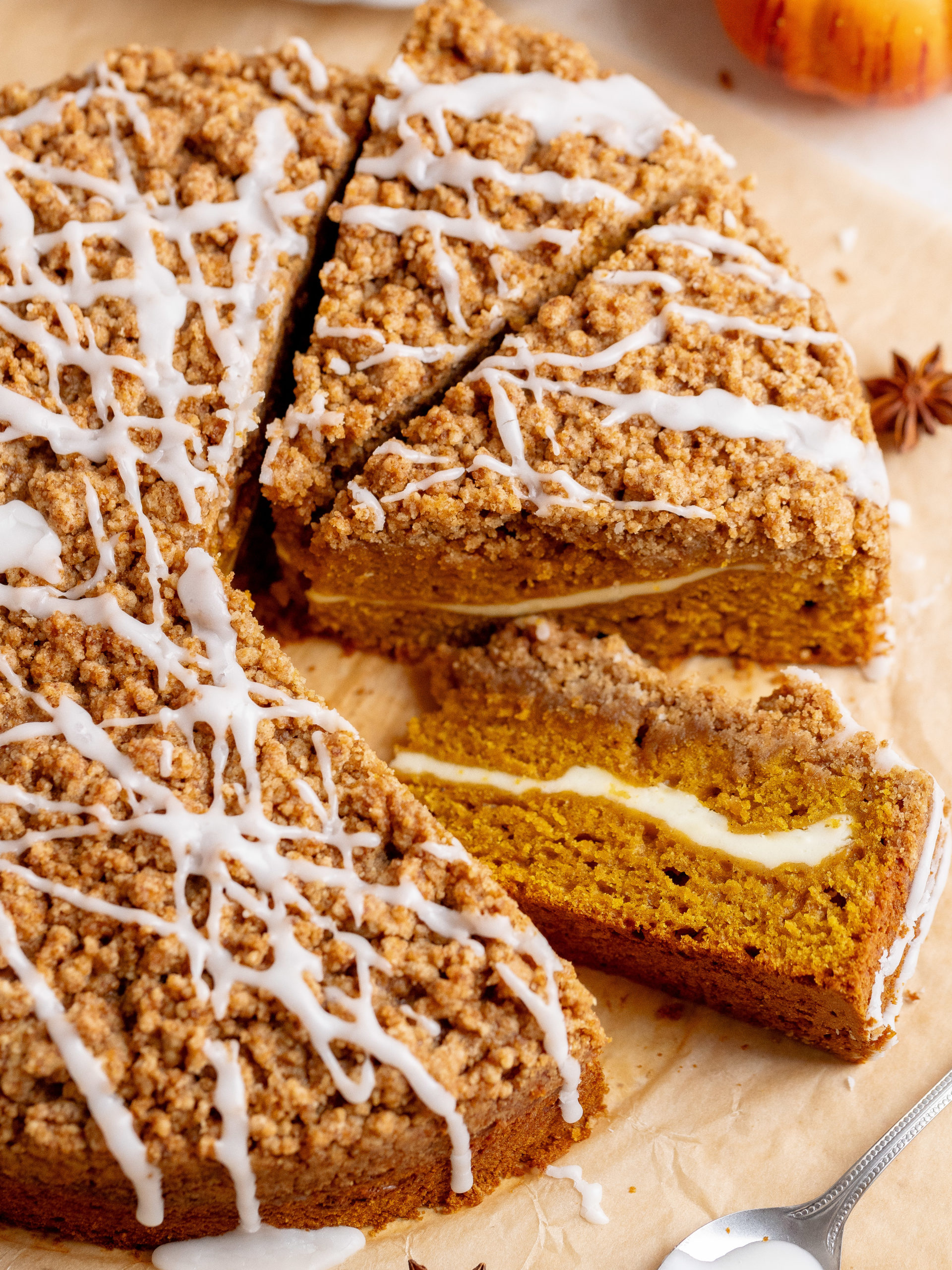
Tips to make this soft breakfast cake recipe extra tender
Small technique changes create big differences in softness. Try these tips from my kitchen trials.
- Use yogurt or sour cream rather than only milk to boost moisture and tenderness.
- Melted butter creates a denser crumb than creamed butter but keeps the cake very soft; use melted for this recipe.
- Don’t overmix after adding flour; stop when the batter looks uniform.
- Fold fruits gently to avoid breaking them and releasing excess liquid.
- If you want an even softer crumb, replace 2 tablespoons of flour with cornstarch.
- Check the cake a few minutes before time listed; overbaking dries cakes quickly.
I once added too many blueberries and ended with a soggy center. Now I toss fruit in a little flour before folding them in. It’s a small step that protects the soft breakfast cake recipe texture.
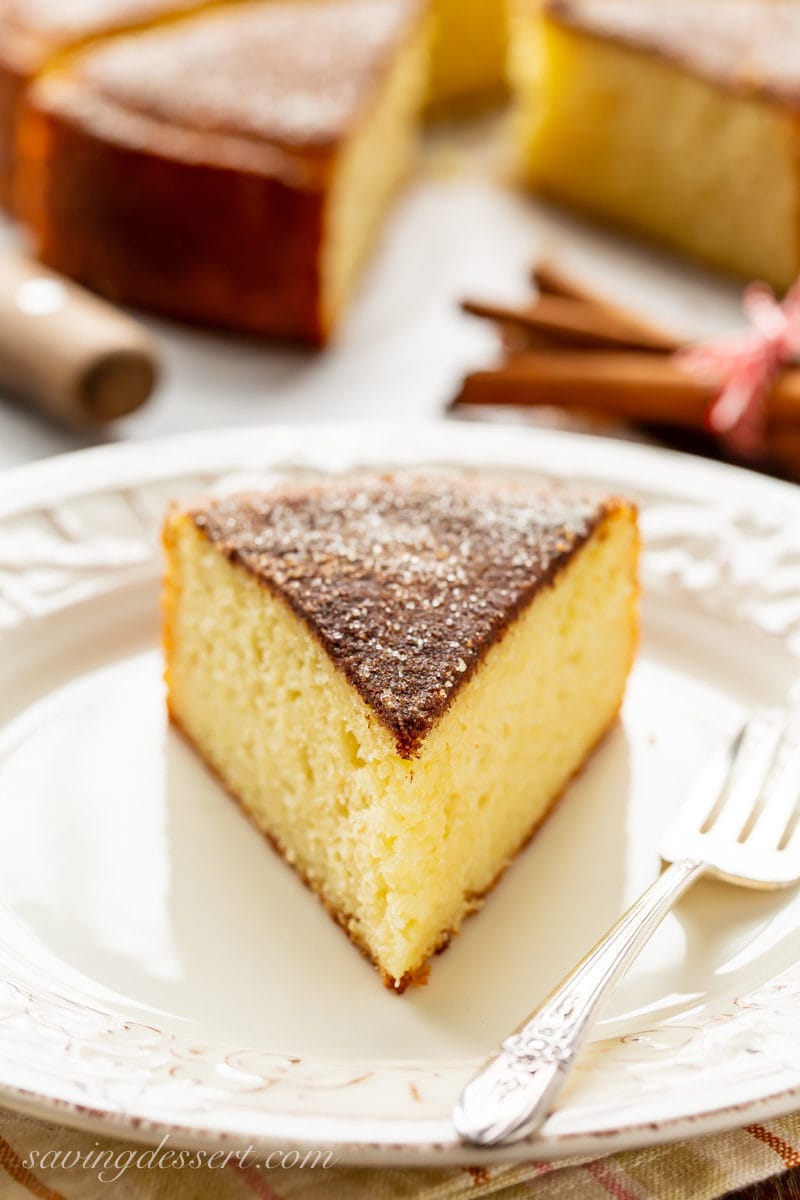
Variations and flavor ideas for this soft breakfast cake recipe
Make this cake fit any morning mood. Try these simple swaps.
- Citrus poppy seed
- Add 1 tablespoon poppy seeds and use lemon zest.
- Apple cinnamon
- Fold in 1 cup diced apple and 1 teaspoon cinnamon.
- Blueberry lemon
- Use 1/2 cup blueberries and lemon zest for a bright bite.
- Chocolate chip
- Stir in 1/2 cup chocolate chips; sprinkle a few on top.
- Vegan option
- Replace eggs with 2 flax eggs, butter with neutral oil, and use plant-based yogurt.
Each variation keeps the core soft breakfast cake recipe method while delivering new flavors.

Make-ahead, storage, and freezing guidance
Plan ahead and keep your cake fresh with these steps.
- Store at room temperature for 2 days in an airtight container.
- Refrigerate up to 5 days; bring slices to room temp or warm briefly before serving.
- Freeze whole or sliced cake for up to 3 months. Wrap tightly in plastic, then foil.
- Thaw overnight in the fridge or at room temperature for a few hours.
When I bake extra loaves, I slice and freeze single portions. They thaw quickly and still taste like fresh baked, which makes this soft breakfast cake recipe perfect for busy mornings.
Nutrition and serving suggestions
This soft breakfast cake recipe is a comforting treat. Here are ways to keep it balanced.
- Serve with plain yogurt and fresh fruit for protein and fiber.
- Top thin slices with nut butter for healthy fats.
- Use whole milk yogurt and a modest sugar amount to boost flavor without excess sweetness.
- One average slice is around 250–350 calories depending on add-ins and portion.
If you need specific dietary numbers, weigh your ingredients and use a nutrition calculator. I aim for balanced plates, pairing cake with fruit or a boiled egg.
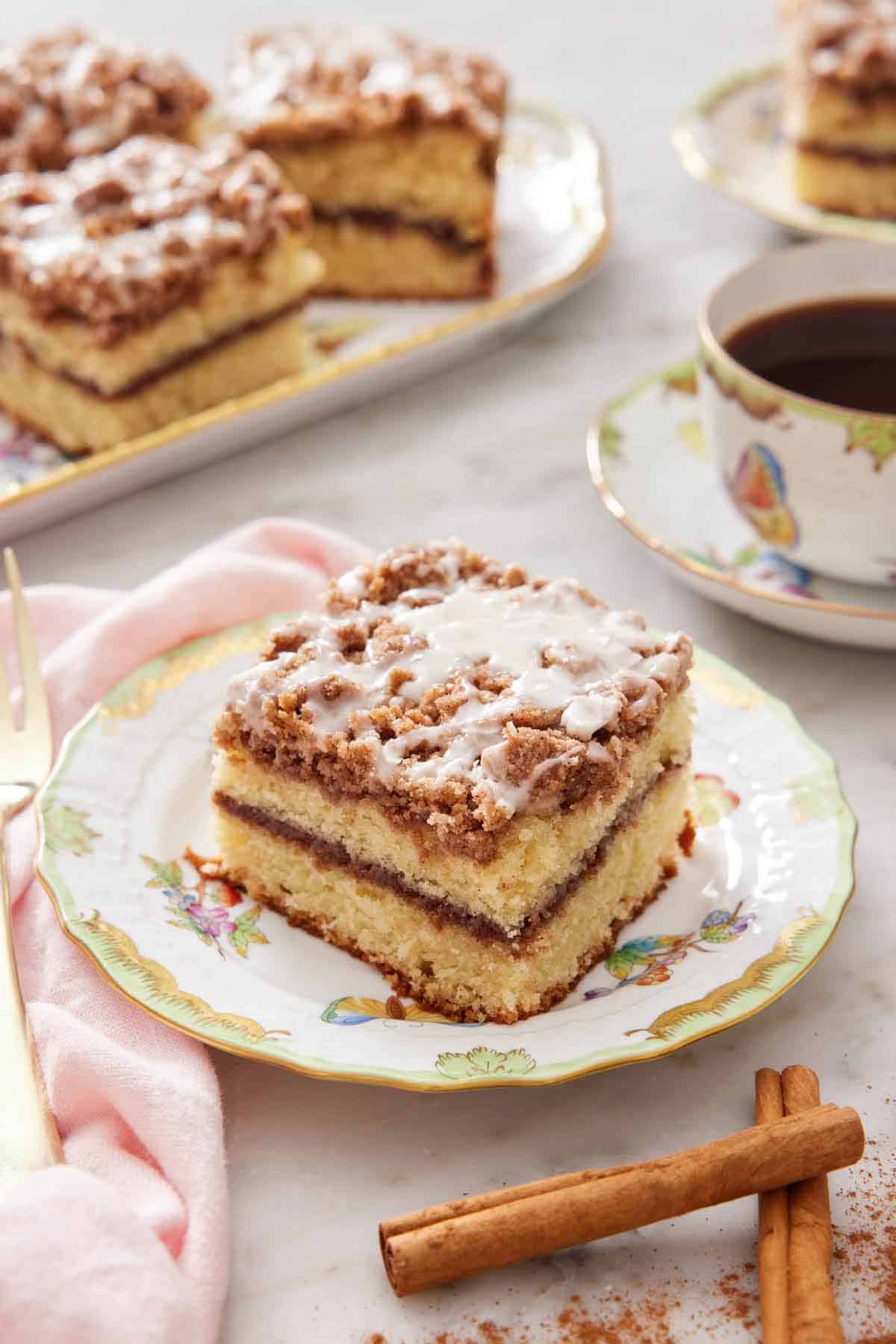
People also ask — quick answers about the soft breakfast cake recipe
How long does this soft breakfast cake recipe stay fresh?
Store at room temperature in an airtight container for up to 2 days or refrigerate up to 5 days. Freeze for up to 3 months for longer storage.
Can I make this soft breakfast cake recipe gluten-free?
Yes. Use a 1:1 gluten-free flour blend and add 1/4 teaspoon xanthan gum if your blend lacks it to improve texture.
Is this soft breakfast cake recipe suitable for meal prep?
Definitely. Slice and freeze portions for quick breakfasts; thaw in the morning or warm briefly in a toaster oven.

Frequently Asked Questions of soft breakfast cake recipe
What makes a cake "soft" for breakfast?
A soft cake uses a mix of fat, tenderizers like sugar and yogurt, and gentle mixing to limit gluten development. Proper baking time also prevents drying.
Can I reduce sugar in this soft breakfast cake recipe?
Yes. You can reduce sugar by 20–30% without drastically affecting texture, though flavor will be less sweet. Consider adding fruit for natural sweetness.
How do I prevent a dense center in my breakfast cake?
Avoid overmixing and check oven temperature accuracy. Use room-temperature ingredients and don’t open the oven during the first 20 minutes.
Can I use oil instead of butter in this soft breakfast cake recipe?
Yes. Replace melted butter with an equal amount of neutral oil for a tender, moist crumb. Flavor will be slightly different but still pleasant.
What pan gives the best texture for this soft breakfast cake recipe?
A 9×5 loaf pan or an 8-inch round pan both work well. Loaf pans concentrate heat, which can create a slightly denser crust but a soft interior.
Conclusion
This soft breakfast cake recipe gives you a dependable, tender cake that’s easy to adapt and great for busy mornings. Use room-temperature ingredients, mix gently, and pick add-ins you love to make a personalized morning treat. Try one variation this week, freeze a few slices for later, and leave a comment about your favorite flavor—your next breakfast can be both fast and delightful.