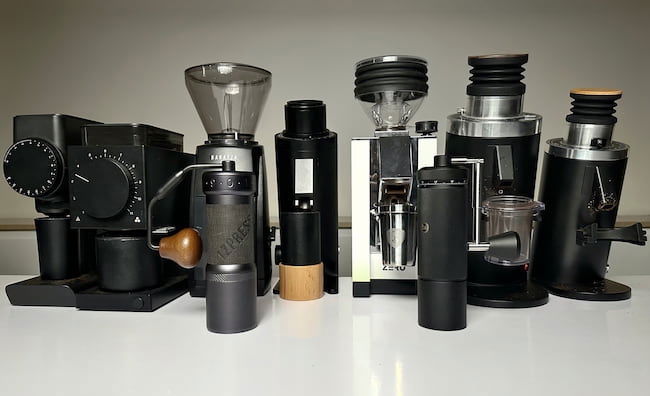
What Is Coffee Grinder Static: Causes And Fixes


Coffee grinder static is the electrical charge that makes grounds cling, fly, and stick to surfaces.
I have spent years pulling shots, testing grinders, and chasing messy counters. I know what coffee grinder static looks like and how it kills a clean dose. This guide explains what coffee grinder static is, why it happens, how it affects taste and dosing, and easy ways to limit it. Read on for clear steps you can try today to stop grounds from flying and improve your coffee routine.

What is coffee grinder static?
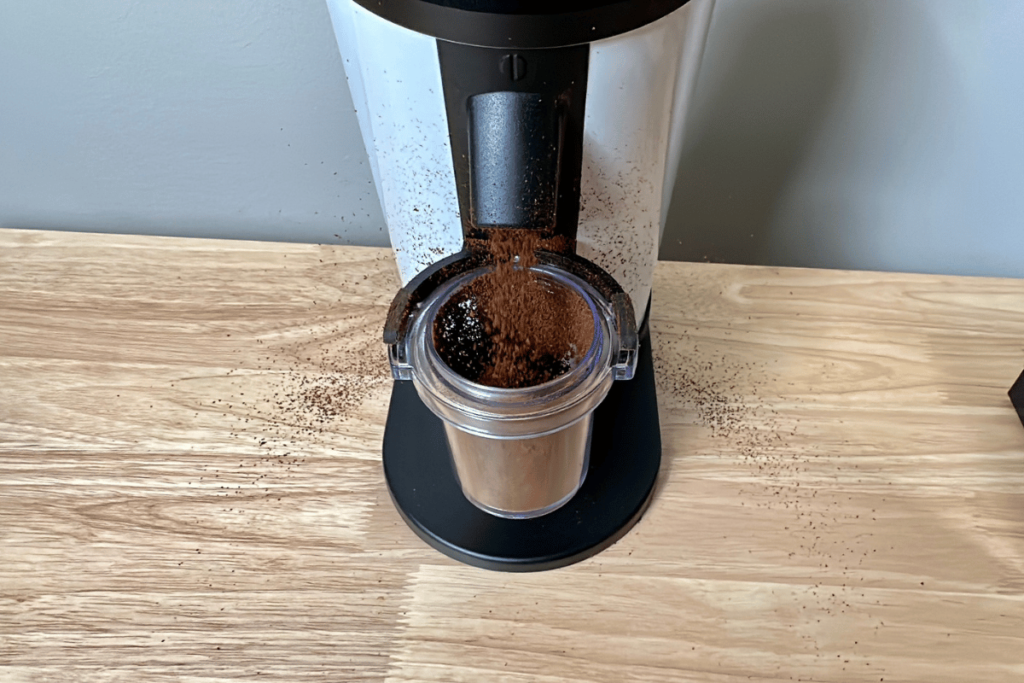
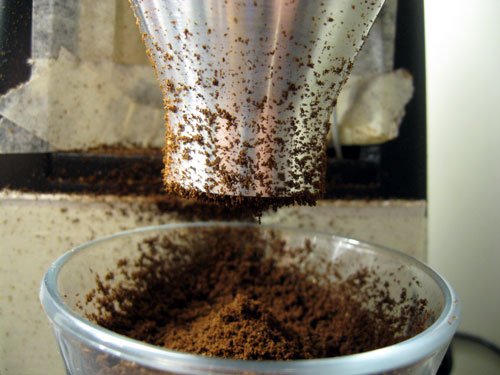
Coffee grinder static is an electrostatic charge that builds on roasted beans and ground coffee. The charge makes fines stick to the grinder chute, portafilter, and counter. It can lift grounds into the air and cause clumping and uneven dosing.
Static is more than a nuisance. It can make dosing inconsistent. It can waste coffee. It can also slow your workflow and frustrate you every morning. Knowing what creates static helps you fix it.

What causes static in a coffee grinder?
Static forms when materials rub together and exchange electrons. With coffee grinders, common causes include:
- Dry beans and dry air that let charge build up easily.
- Fast-moving burrs or blades that create friction with beans.
- Plastic grinder parts that hold charge more than metal.
- Very fine grind settings that produce more surface area and more charge.
- Low humidity environments, especially in winter or dry climates.
Coffee grinder static is often worse on grinders with plastic chutes or housings. The grinder design and the roast level of beans also change how much static you get.
How static affects your coffee and workflow
Static has practical impacts that matter to taste and daily use:
- Dosing errors. Grounds cling to the chute and portafilter, giving you inconsistent weight.
- Mess and waste. Grounds scatter around counters and scales.
- Clumping. Static can make fines cluster, causing channelling in espresso.
- Extraction variability. Uneven distribution changes brew balance and shot quality.
If you chase precise shots, coffee grinder static can be a real obstacle. Small dosing shifts can change extraction by several percent, which is enough to alter flavor.
Which grinders are more prone to static?
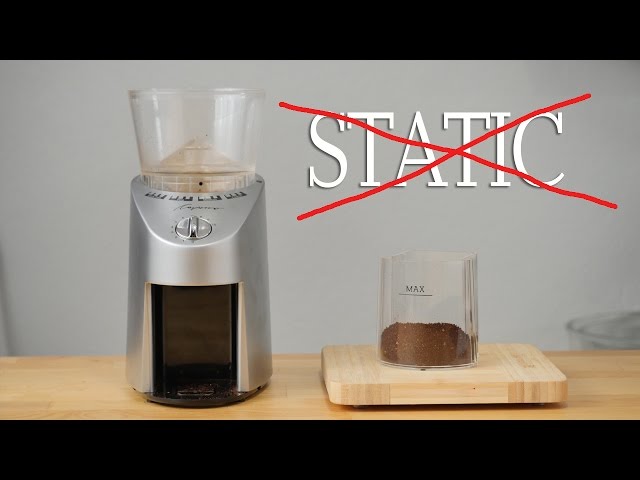
Not all grinders behave the same. Static risk varies by design and material.
- Blade grinders. These often create more static because they create small, uneven particles and use plastic housings.
- Doserless grinders. Without a metal doser to collect grounds, chute clinging becomes visible and messy.
- Electric burr grinders with plastic chutes. Plastic holds charge more than metal.
- High-speed grinders. Faster burr rotation can increase friction and charge.
A metal chute or grounded portafilter often reduces the visible effects of coffee grinder static. But even metal-bodied grinders can show static if beans and air are very dry.
How to reduce and manage coffee grinder static
You can cut static with simple steps. Try these practical fixes to reduce coffee grinder static fast.
- Increase humidity slightly. A kitchen humidifier or a mug of hot water can help in dry seasons.
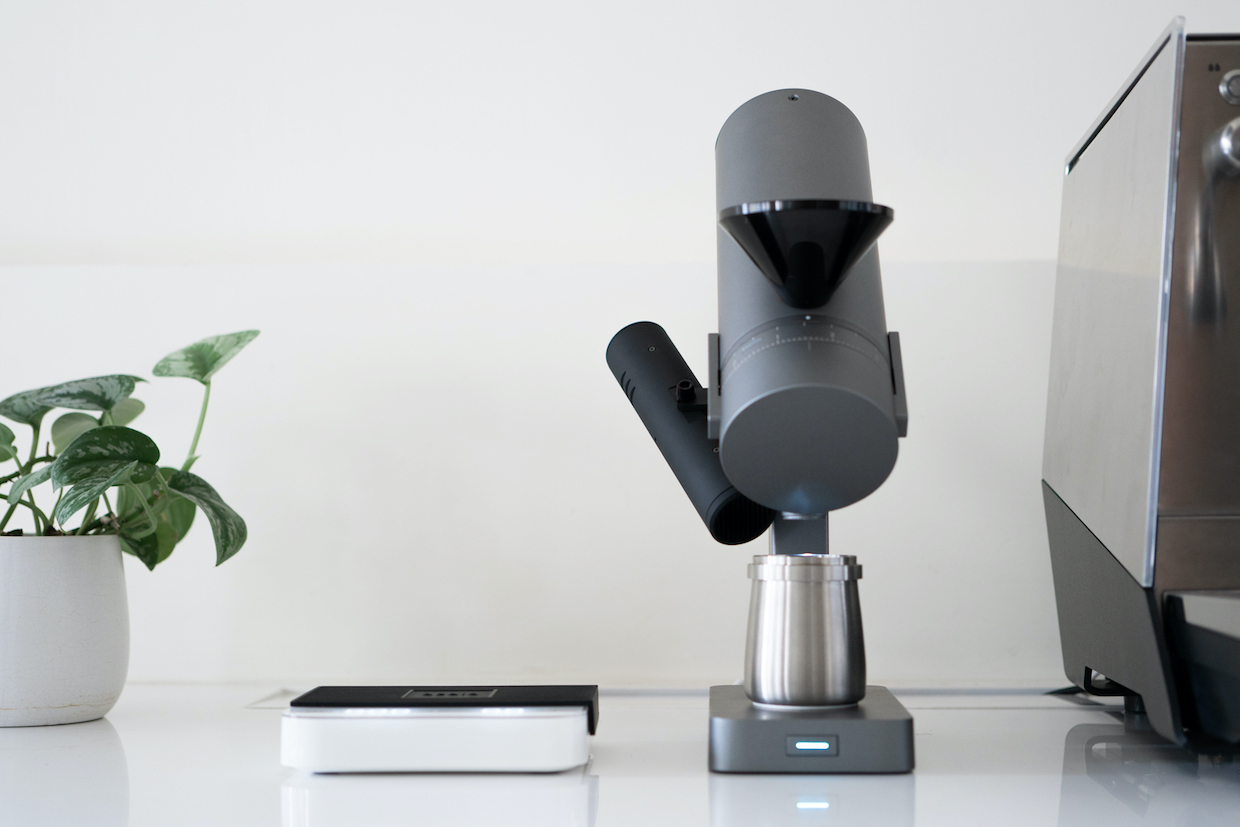
- Use a metal dosing cup or grounded portafilter. Metal conducts away charge.
- Tap the grinder chute gently. A quick tap knocks clinging fines loose.
- Wipe with a damp cloth. A barely damp cloth can neutralize static on chutes and hoppers.
- Grind into a paper towel or over parchment. This catches stray fines and keeps scale clean.
- Chill beans briefly. Slightly colder beans can reduce static when ground.
- Use anti-static tools. Dedicated brushes, grounds funnels, and rubber scrapers can help.
- Adjust grind speed or setting. Slower or coarser grind can reduce friction and charge.
PAA-style question: Will wetting the beans stop static?
Wetting beans lightly adds moisture that lowers static, but it can also change grind behavior and extraction. A gentle approach, like a light spray or using a damp cloth on the chute, is safer than soaking beans.
PAA-style question: Does grind size change static levels?
Yes. Finer grinds have more surface area and tend to hold more static. Coarser grinds usually show less coffee grinder static.

Tips from my experience
I’ve tested many grinders and lived with static in all seasons. What helped most for me:
- I swapped a plastic dosing cup for a metal one. Dosing became cleaner.
- In winter, I run a small humidifier in my coffee area. Mess drops greatly.
- I keep a small metal spoon or anti-static brush near the grinder. A tap or brush saves time.
- I avoid spraying beans directly. Instead, I wipe chutes damp and chill beans for a minute.
Lesson learned: small habits beat complex fixes. These quick steps cut static with minimal fuss.

Maintenance and troubleshooting
Routine care reduces long-term static issues.
- Clean hopper and chute weekly to remove oily build-up and fines.
- Check for worn burrs; rough burrs can make fines that cling.
- Replace plastic parts with metal if your grinder supports upgrades.
- Test changes one at a time to see what works in your environment.
If static suddenly increases, check room humidity and new bag of beans. New roasts or very fresh beans can behave differently.
Benefits and limitations of static control
Managing static brings obvious pluses and a few limits.
Benefits
- Better dosing and less waste.
- Cleaner counter and less cleanup.
- More consistent extraction and better shots.
Limitations - You can’t fully remove static in very dry climates.
- Some fixes change grind flow and may need tweaks.
- Over-wetting or over-humidifying can harm beans or gear if done badly.
Overall, small gains in static control add up to better coffee and less stress.

Frequently Asked Questions of what is coffee grinder static
What exactly causes static in a coffee grinder?
Static comes from friction between beans and grinder parts that moves electrons. Dry air and plastic parts make the charge worse.
Can static affect espresso taste?
Yes. Static can cause uneven dosing and clumps that change extraction. This can alter balance and flavor in espresso shots.
Is static worse with fresh coffee beans?
Often yes. Freshly roasted beans can be drier on the surface and produce more fines, which increases static risk.
Will a humidifier stop coffee grinder static?
A humidifier can reduce static by adding moisture to the air. It helps, but may not eliminate it entirely.
Are metal chutes better than plastic to reduce static?
Metal chutes usually help because metal grounds can ground the charge. They often cut visible cling and mess.
Conclusion
Static in a coffee grinder is a common, fixable issue that affects dosing, cleanliness, and shot consistency. Small changes — using metal parts, adding slight humidity, tapping chutes, and keeping the grinder clean — make a big difference. Try one or two simple tips today and measure the improvement. Share your results or ask a question below to keep the conversation going.