What Is A Blade Coffee Grinder: Simple Guide & Tips


A blade coffee grinder is an electric or manual device that chops beans with a spinning blade into grounds.
I’ve spent years testing grinders and helping friends pick the right gear, so I know what matters. This article explains what is a blade coffee grinder, how it works, where it shines, and where it falls short. Read on for clear, practical advice, tips from real use, and simple steps to get better coffee from a blade grinder.
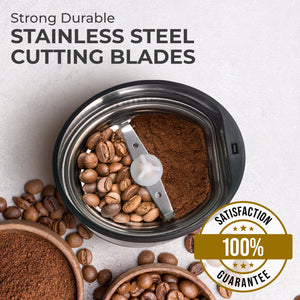
How a blade coffee grinder works
A blade coffee grinder uses one or more flat blades that spin at high speed. Beans fall into a chamber. The blades slice and chop the beans into smaller pieces. Grind size depends on time and pulse control. The faster or longer you grind, the finer the grounds get.
What is a blade coffee grinder doing differently? It cuts instead of crushing. That leads to different particle shapes and sizes. Blade grinders are simple in design. They are common in kitchens because they are cheap and fast. From my tests, they are best for quick brewing methods and for people on a budget.
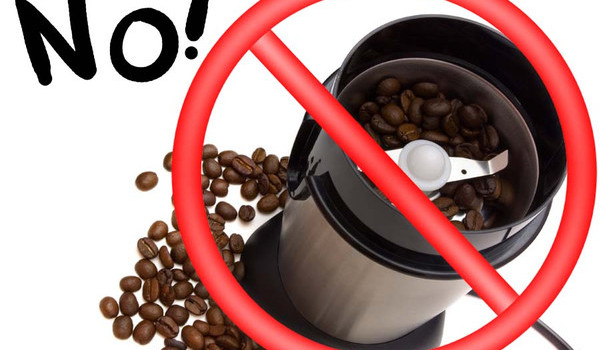
Blade grinder vs burr grinder: key differences
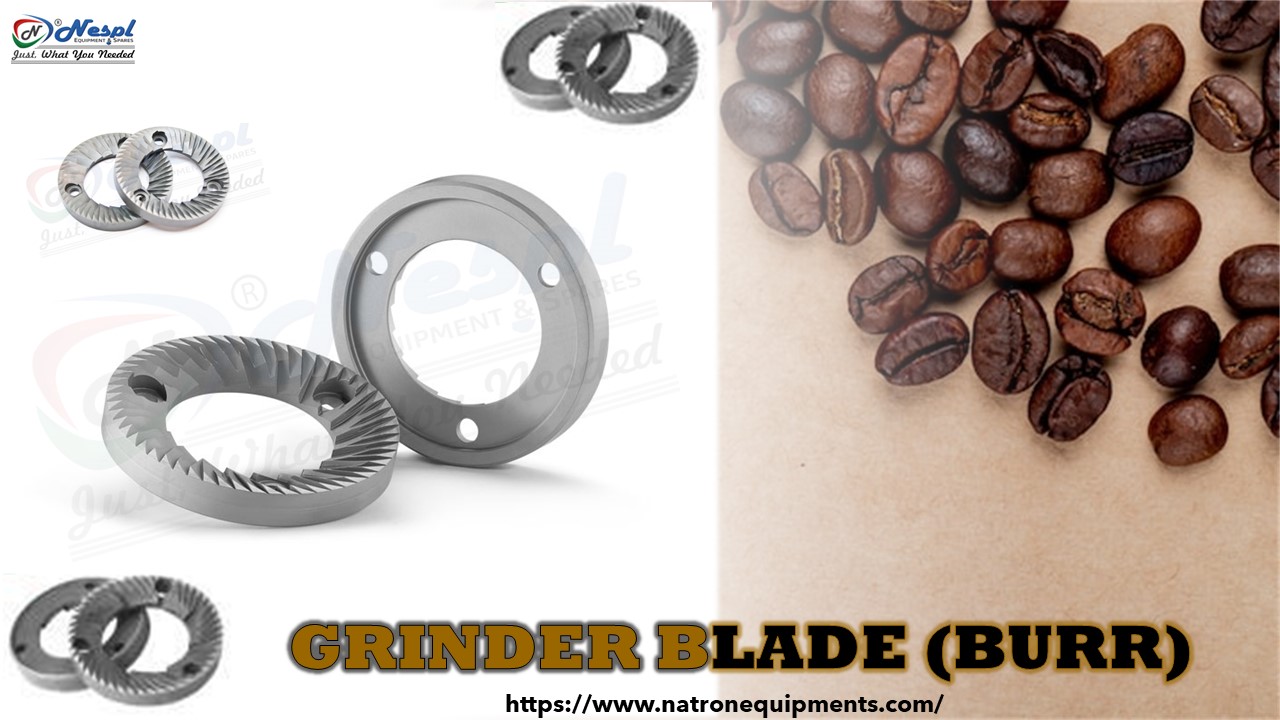
Burr grinders crush beans between two surfaces. Blade grinders chop beans with a spinning blade. This leads to major differences:
- Consistency: Burr grinders deliver uniform particle sizes. Blade grinders produce a mix of fine dust and larger chunks.
- Flavor control: Burr grinders let you set grind size precisely. Blade grinders rely on timing and shaking for control.
- Cost and complexity: Blade grinders are cheaper and have fewer parts. Burr grinders cost more and need calibration.
- Heat and static: Blade grinders can heat beans if overused. Burr grinders generate less heat.
If you ask what is a blade coffee grinder compared to a burr model, the main trade-off is price and consistency. For many home drinkers, a blade grinder is fine for basic drip or French press coffee.

Benefits of a blade coffee grinder
Blade coffee grinders have clear advantages. They are worth considering in these scenarios:
- Low cost: Blade grinders cost much less than burr grinders.
- Speed: They grind beans fast for immediate brewing.
- Simple to use: No settings to learn. Press and pulse.
- Compact size: Most models fit small kitchens or travel bags.
- Multi-use: You can grind spices or nuts (clean well first).
From my experience, a blade grinder is a practical starter tool. It allowed me to move from pre-ground coffee to fresh grounds with little fuss. For busy mornings, its speed is a real benefit.
Limitations and common issues with blade grinders
A clear view of what is a blade coffee grinder includes its downsides. Know these limits before you buy:
- Inconsistent grind: Expect mixed particle sizes. This affects extraction and taste.
- Uneven flavor: Over-extracted fines and under-extracted large pieces can make coffee taste muddy or weak.
- Heat buildup: Long grinding can warm beans and change flavor.
- Harder to dial in: You can’t set a precise grind size for espresso or pour-over without much trial.
- Static and mess: Grounds can cling to the jar and scatter when opened.
I once tried to make espresso with a blade grinder. The results were muddy and inconsistent. That taught me a key lesson: match the grinder to the brew method.

How to use and get the best results from a blade coffee grinder
You can improve results with small steps. Here are practical tips that helped me.
- Pulse instead of continuous grind. Short bursts create more even cuts.
- Shake or tap the container between pulses. This mixes coarse and fine bits.
- Grind in short bursts to avoid heat. Let the motor cool if needed.
- Measure beans by weight or scoop for repeatability.
- Aim for slightly coarser than your target. Blade grinders create fines that make the overall mix feel finer.
- Clean the chamber after each use. Old oils and grounds ruin flavor.
Common quick question: How do I get a consistent grind with a blade grinder? Try pulse grinding, short bursts, and shaking the jar to even out particles.
Another quick question: Can I use a blade grinder for espresso? It is possible but difficult; you’ll likely get uneven extraction and less crema.
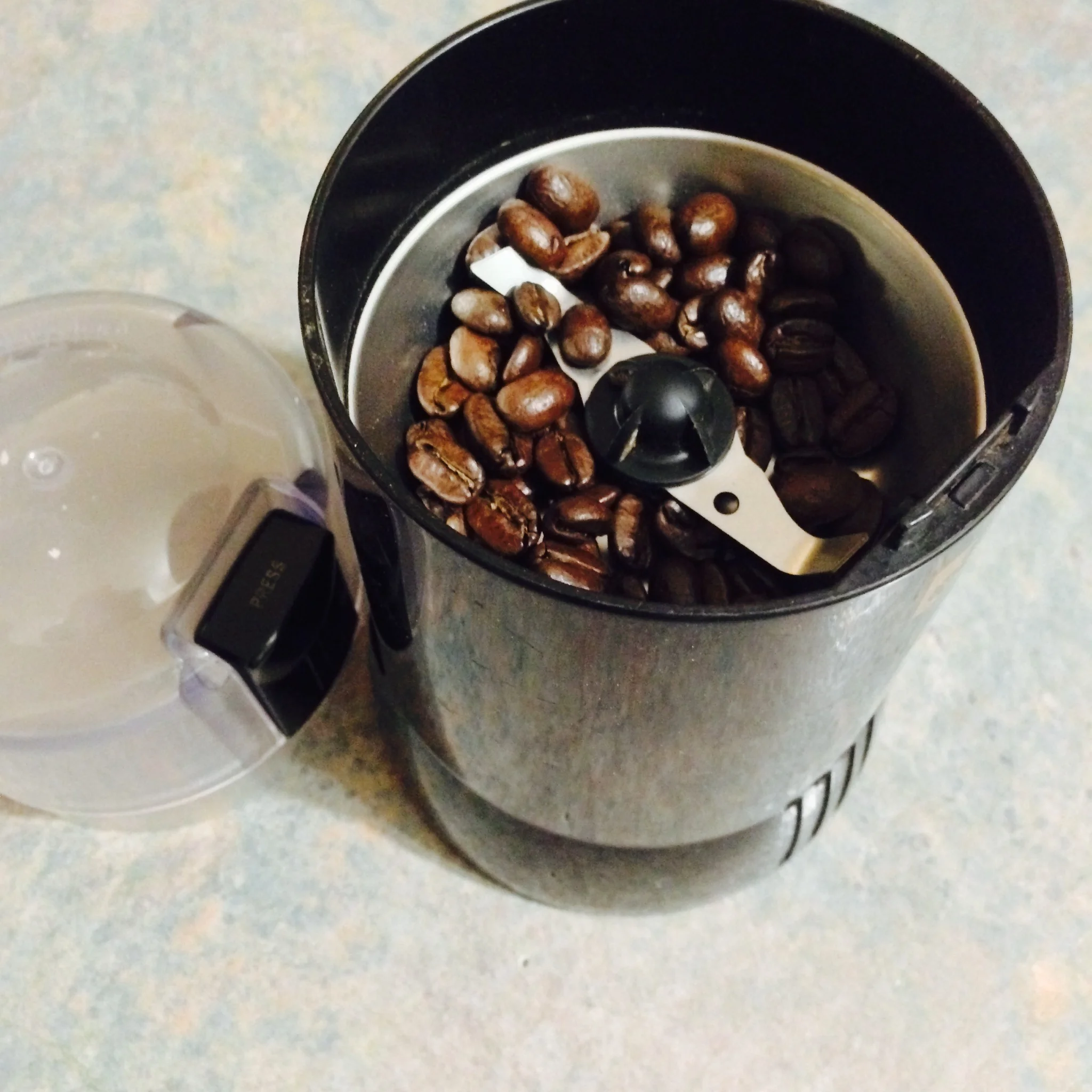
Brewing methods that work best with a blade coffee grinder
Match what is a blade coffee grinder with the right brew style to get good results.
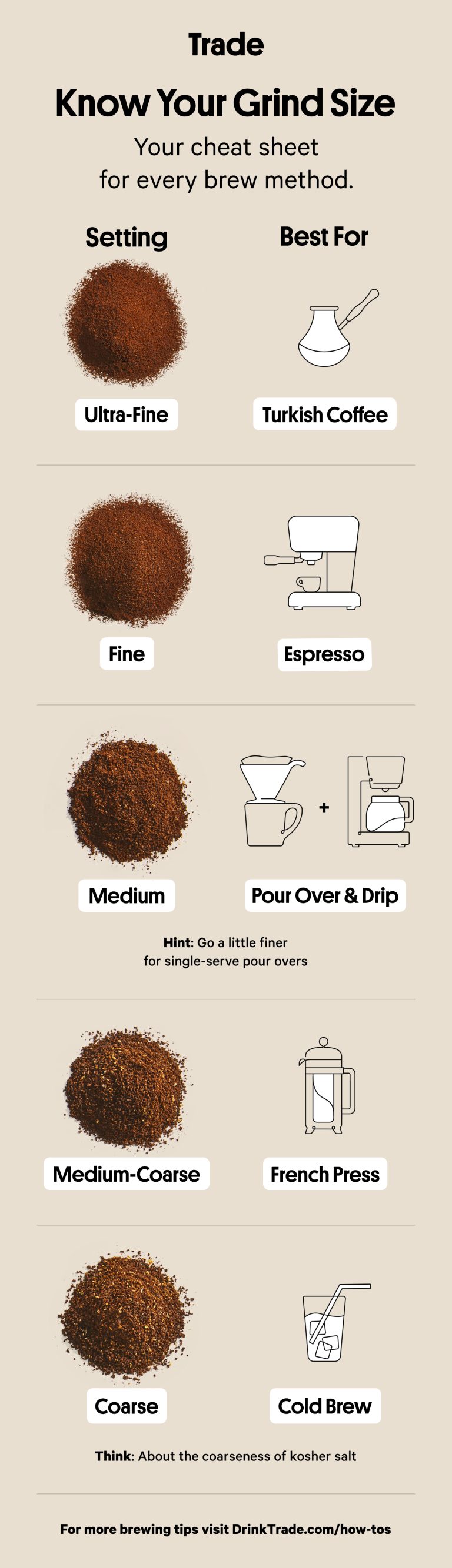
- Drip coffee: Works well for basic coffee makers when grind consistency is not critical.
- French press: Can be acceptable if you aim for coarse chunks and avoid fines.
- Aeropress: Tolerant of grind variance; experiment with pulse times.
- Cold brew: Large coarse pieces are fine; long brew time evens extraction.
- Espresso: Not recommended. Requires a fine, uniform grind for pressure extraction.
I usually reserve my blade grinder for drip and cold brew. For espresso and delicate pour-over, I use a burr grinder.
How to choose and maintain a blade coffee grinder
If you decide a blade grinder fits your needs, pick and care for it well.
- Motor power: Choose a unit with a steady motor around 150–200 watts for kitchen models.
- Capacity: Match jar size to how much coffee you brew.
- Removable parts: Easier to clean and safer to store.
- Build quality: Look for stainless steel blades and a sturdy lid.
- Safety features: Auto shut-off or secure lid locks are helpful.
Maintenance steps I follow:
- Clean after each use by brushing and wiping.
- Avoid water on the motor base.
- Grind a small amount of dry rice monthly to remove oil buildup.
- Replace the grinder if blades dull or motor weakens.
Knowing what is a blade coffee grinder also means knowing how to care for it. Proper upkeep keeps flavor cleaner and extends life.

Frequently Asked Questions of what is a blade coffee grinder
What is a blade coffee grinder best used for?
A blade coffee grinder is best for quick, everyday coffee like drip or cold brew where precise grind size is less critical. It is also useful for small kitchens and travel.
Can a blade coffee grinder make espresso?
It can, but results are usually poor because espresso needs a very uniform, fine grind. Expect uneven extraction and weaker crema.
How do I clean a blade coffee grinder?
Unplug the unit, brush out grounds, wipe the bowl with a dry or barely damp cloth, and never submerge the motor base. Grinding a bit of dry rice helps remove oils.
How long should I grind beans in a blade grinder?
Grind in short pulses of 1–3 seconds. Total time varies by desired coarseness, usually 5–15 seconds. Avoid long continuous grinding to prevent heat.
Are blade grinders noisy and messy?
They can be noisy and create static, which makes grounds cling to the container. Use short pulses and tap the jar to reduce mess.
Will a blade grinder ruin coffee beans?
No, a blade grinder won’t ruin beans, but it can cause uneven extraction that masks some flavors. Proper technique reduces negative effects.
Conclusion
A blade coffee grinder is a simple, affordable way to move from pre-ground coffee to freshly ground beans. It chops beans with a spinning blade, which is fast and cheap but less consistent than a burr grinder. Use pulse grinding, measure your beans, and choose compatible brew methods like drip, French press, or cold brew to get the best results.
Try these tips and test small changes. If you want a big flavor upgrade later, consider saving for a burr grinder. Share your experience, ask questions below, or subscribe for more practical coffee gear guides.