What Is A Burr Coffee Grinder: Grind Guide & Benefits


A burr coffee grinder is a machine that crushes beans between two abrasive surfaces for consistent grind.
I’ve spent years testing grinders in home and cafe settings, and I know how much a good grind matters. This guide explains what is a burr coffee grinder in clear, friendly terms. You’ll learn how burr grinders work, why they beat blade grinders, how to choose one, and practical tips I picked up from real-world use. Read on to make better coffee at home with confidence.
What is a burr coffee grinder?
A burr coffee grinder is a device that grinds coffee beans by pinching them between two rough-edged surfaces, called burrs. This design creates uniform particles. Uniform particles mean even extraction. Even extraction gives cleaner, balanced flavor in brewed coffee. Asking what is a burr coffee grinder usually seeks this core difference from cheaper blade grinders.
Types of burrs
- Conical burrs
- Two cone-shaped parts.
- Tend to run cooler and produce less noise.
- Good for consistent grind at varied settings.
- Flat burrs
- Two flat discs facing each other.
- Known for very uniform particle size at certain settings.
- Often used in commercial grinders.
Why the term matters
- The phrase what is a burr coffee grinder frames both function and benefit.
- Understanding the answer helps you pick the right grinder for espresso, pour-over, or French press.
How a burr coffee grinder works
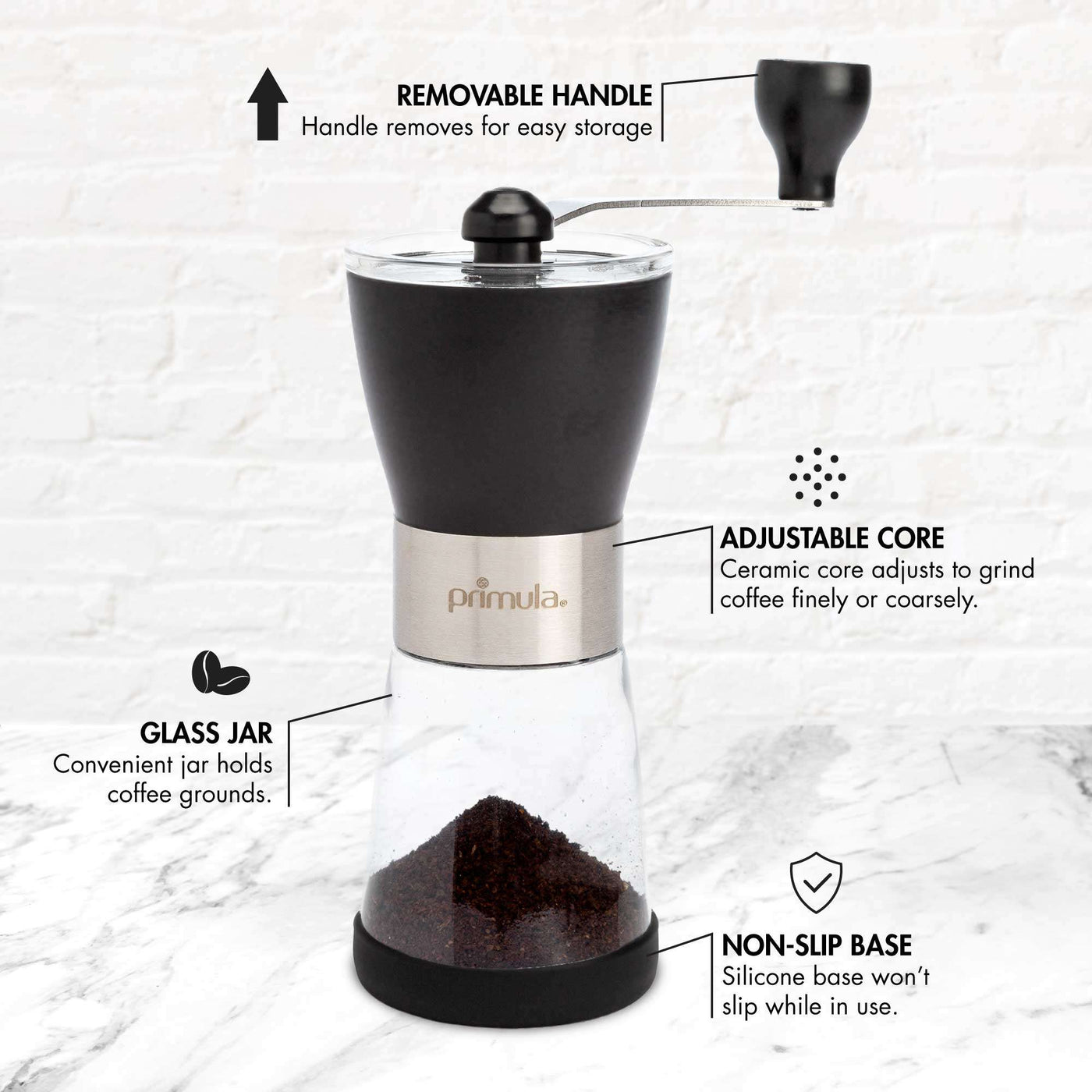
Burr grinders work by shearing beans between two abrasive surfaces. Beans enter the gap. The burrs crush them to a size set by you. The gap setting controls grind size. Smaller gaps make finer grinds for espresso. Wider gaps make coarser grinds for French press.
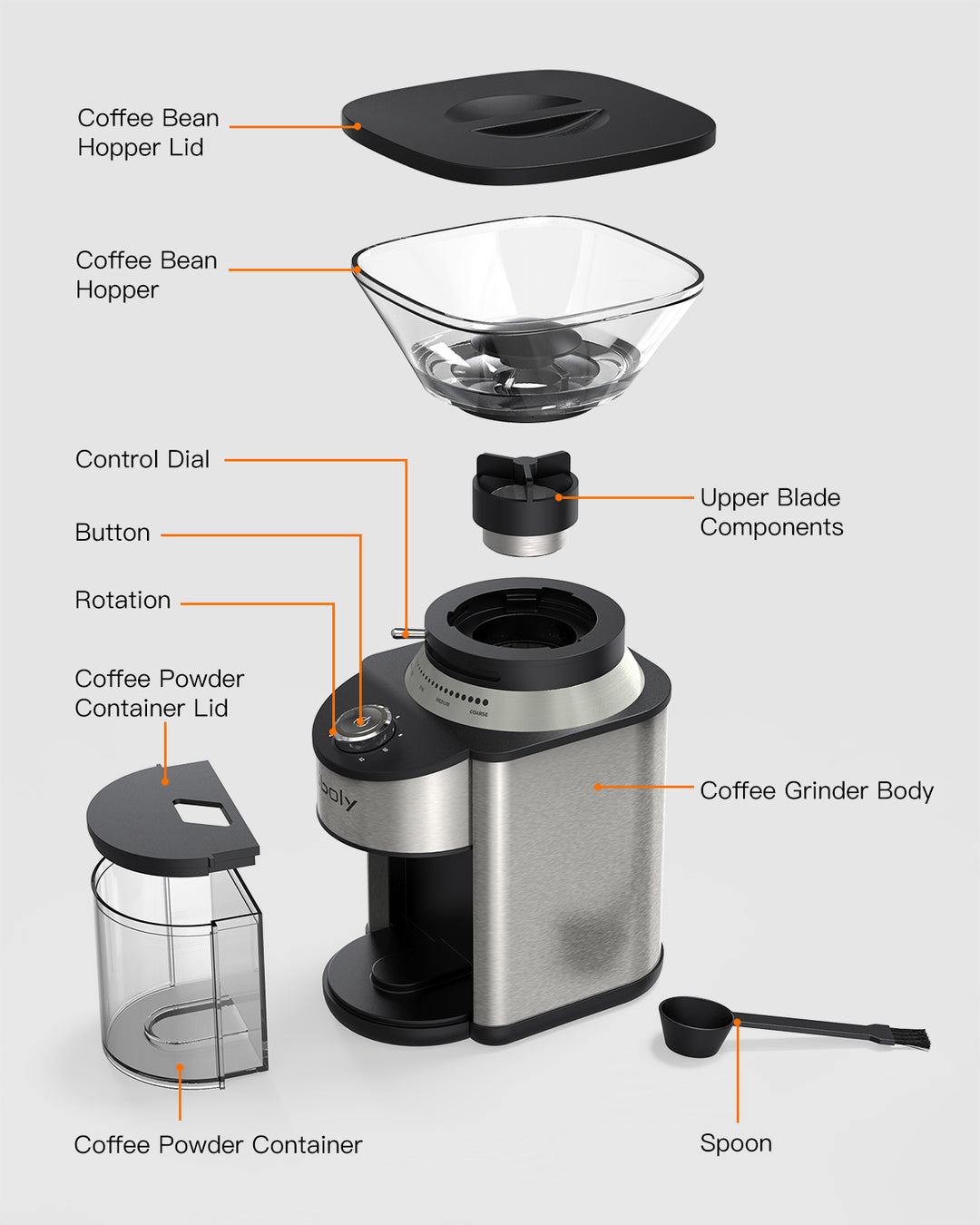
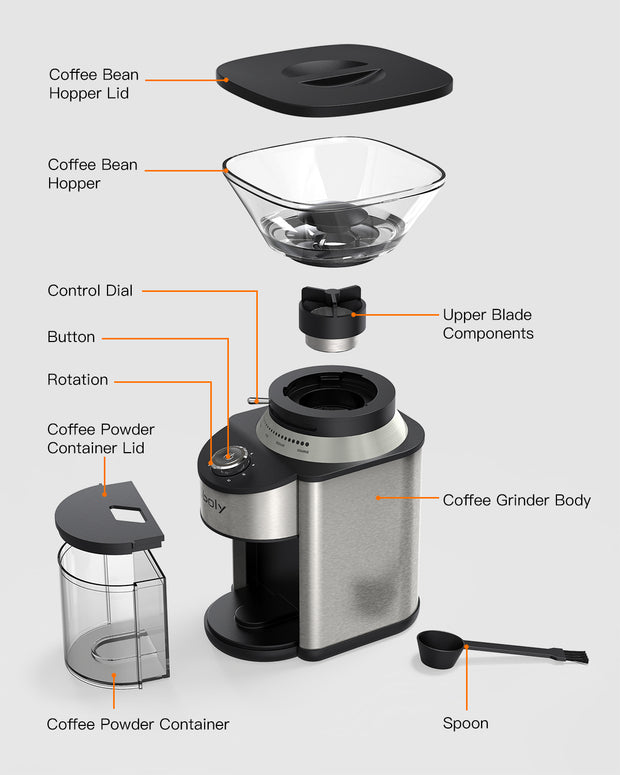
Key parts
- Burrs
- The cutting surfaces that do the work.
- Hopper
- Holds beans before grinding.
- Adjustment collar or dial
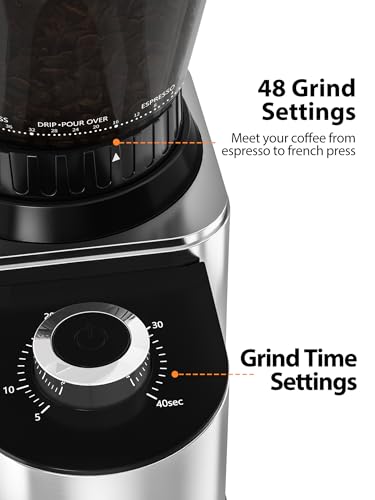
- Lets you change grind size precisely.
- Motor or manual crank
- Powers burr rotation.
Energy and heat
- Burr grinders generally generate less heat than blade grinders.
- Less heat helps preserve aroma and oils in the coffee.
- Running the grinder in short bursts reduces buildup of heat.
Burr vs blade grinders — why it matters
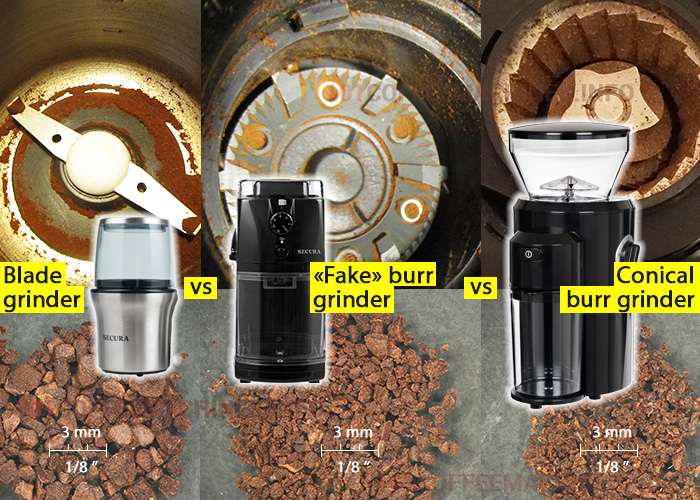
If you ask what is a burr coffee grinder, you’ll want to know how it stacks up against blade grinders. The difference changes your coffee’s taste.
Blade grinders
- Chop beans with fast-spinning blades.
- Create uneven particle sizes.
- Lead to over-extraction and under-extraction at the same time.
Burr grinders
- Produce consistent particle sizes.
- Allow precise control over grind size.
- Improve flavor clarity and repeatability.
Bottom line: a burr grinder gives a big boost to quality with a modest increase in cost.

Benefits and limitations of a burr coffee grinder
Benefits
- Consistent grind size for even extraction.
- Adjustable settings for different brew methods.
- Better flavor clarity and aroma retention.
- Less heat and static compared with blade grinders.
Limitations
- Higher upfront cost than blade grinders.
- Requires cleaning and occasional burr replacement.
- Some models are noisy or bulky.
- Manual burr grinders need more effort for large batches.
Practical trade-offs
- For daily home use, a mid-range burr grinder offers the best mix of price and performance.
- For espresso, precision and low retention matter more; you may pay more.
:max_bytes(150000):strip_icc()/sea-primary-coffee-grinders-oct-24-nsimpson-207-b439c1ef1a674697b2825604e5321d5c.jpeg)
How to choose the right burr coffee grinder
Decide by brew method, budget, and counter space. Here’s a simple checklist to pick the right model.
Checklist
- Brew method
- Espresso needs fine, precise control.
- Pour-over and drip need medium settings.
- French press needs coarse settings.
- Burr type
- Conical for quieter and often more forgiving use.
- Flat for very uniform grind and commercial use.
- Dose and speed
- Look at grams-per-second for electric machines.
- Manual grinders are slower but portable.
- Retention and adjustment
- Low retention helps when switching beans or grind settings.
- Stepped vs stepless adjustments: stepless gives micro-tuning, good for espresso.
- Build and warranty
- Metal burrs and solid housings last longer.
- A solid warranty signals manufacturer confidence.
Price ranges (quick view)
- Entry-level home: Affordable burrs for basic needs.
- Mid-range: Best performance for most home baristas.
- High-end: Precision, low retention, and durability for enthusiasts and pros.
Grinding settings and brew guide
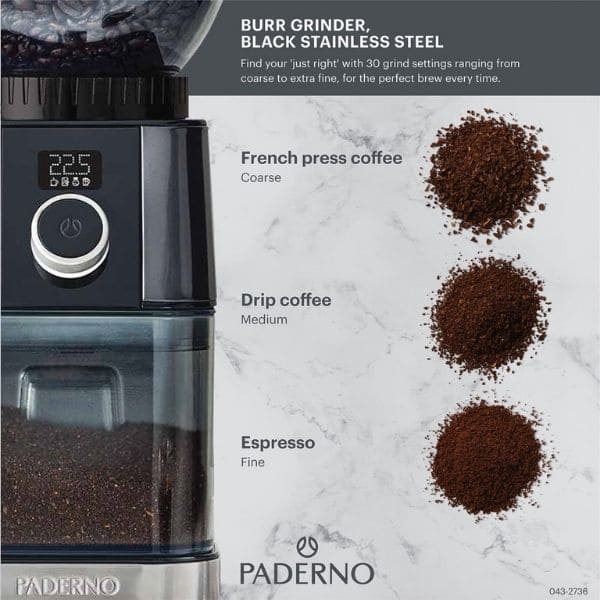
Matching grind size to brew method is essential. Here’s a simple guide to help you dial in your coffee.
General settings
- Extra fine
- Use for Turkish coffee.
- Fine
- Espresso and Moka pot.
- Medium-fine
- Aeropress (short brew times), pour-over finer recipes.
- Medium
- Standard pour-over and drip machines.
- Coarse
- French press and cold brew.
Practical tips for dialing in
- Start with a recommended grind for your brew.
- Make small adjustments and brew a test cup.
- Taste for sourness (under-extracted) or bitterness (over-extracted).
- Aim for balanced flavor, adjusting grind size first.
PAA-style quick questions
- How fine should I grind for espresso?
- Grind very fine, close to powdered sugar. Adjust in small steps until extraction time matches your recipe.
- Will a coarser grind reduce bitterness?
- Yes; coarser grinds slow extraction and can reduce bitterness if over-extraction was the issue.
- Can I use one burr grinder for all methods?
- Many good burr grinders cover a wide grind range, but dedicated espresso grinders offer better fine control.

Maintenance, cleaning, and longevity
Regular care keeps a burr coffee grinder working well and tasting great.
Daily care
- Wipe the hopper and exterior.
- Remove beans after use to avoid stale buildup.
Weekly or biweekly tasks
- Brush or vacuum loose grounds from burrs and chute.
- Run a small quantity of rice-free grinder cleaner if recommended by the manufacturer.
Deep clean (monthly)
- Remove burrs and clean both burrs and housing with a soft brush.
- Reassemble carefully and test grind for consistency.
Parts replacement
- Burrs wear over time.
- Expect burr replacement every 6 months to several years depending on use and burr material.
- Check manufacturer guidance for signs of wear and replacement intervals.

Personal experience and practical tips
I’ve used many burr grinders in home kitchens and coffee shops. Here are lessons I learned the hard way.
What worked for me
- Invest in a decent burr grinder early. It transformed my coffee.
- Use a grinder with low retention when switching beans often.
- Use short pulses to avoid heating the beans on low-powered machines.
Common mistakes to avoid
- Don’t skip cleaning; stale oils ruin flavor fast.
- Don’t expect a cheap grinder to perform like a pro unit.
- Avoid working too fast when testing settings; small changes go a long way.
Real-world tip
- I found that a mid-range conical burr grinder covered 95% of my needs. If you chase espresso perfection, budget for a dedicated espresso grinder later.
Frequently Asked Questions of what is a burr coffee grinder
What makes burr grinders better than blade grinders?
Burr grinders give uniform particle size and precise control over grind setting. This leads to more even extraction and better flavor than blade grinders.
Are conical burrs better than flat burrs?
Neither is strictly better; both have pros. Conical burrs often run cooler and are quieter, while flat burrs can offer very uniform particle sizes for consistency.
How often should I clean my burr coffee grinder?
Light cleaning should happen weekly, with a deeper clean monthly depending on use. Regular cleaning prevents stale oils from hurting flavor.
Do burr grinders change the taste of coffee?
Yes. Because burr grinders produce consistent particles, they help coffee extract evenly. Even extraction improves clarity and balance in the cup.
Can a burr grinder handle espresso and pour-over?
Many burr grinders cover the full grind range from espresso to coarse. For top espresso shots, a grinder with stepless adjustment or fine-tuning is ideal.
Is a manual burr coffee grinder worth it?
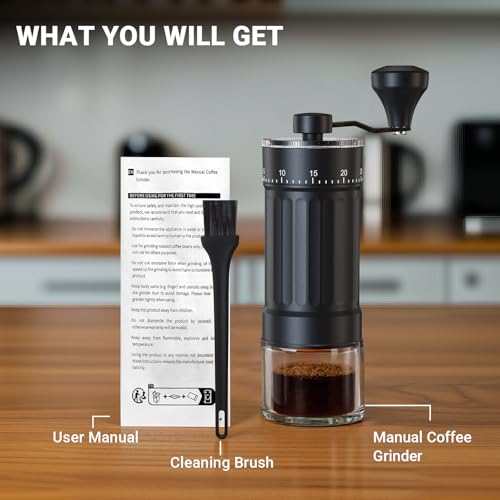
Manual burr grinders are great for travel and small batches. They offer control and portability but require more effort for large volumes.
How long do burrs last?
Burr lifespan varies by material and use. With regular home use, burrs can last months to several years before replacement is needed.
Conclusion
A burr coffee grinder is the single best upgrade for better home coffee. It delivers consistent particle size, control across brew methods, and clearer flavors. Start with a grinder that matches your brew style, keep it clean, and experiment in small steps. Try a mid-range burr grinder if you’re unsure—chances are you’ll notice the difference right away. If this guide helped, subscribe for more coffee tips or leave a comment about your grinder experiences.