How To Use A Coffee Grinder: Simple Steps For Perfect Grind


Use a grinder, set the right grind size, measure beans, and grind to match your brew method.
I’ve ground coffee for years in home and café settings, so I know how to use a coffee grinder to get the best flavor. This guide walks you through choosing a grinder, setting grind size, dosing, cleaning, and troubleshooting. You’ll learn practical steps and tips I use daily to make reliable, tasty coffee at home. Read on and you’ll be confident in how to use a coffee grinder for every brew method, from espresso to French press.
Why grind coffee at home and types of grinders
Freshly ground beans make a big difference. Grinding exposes more surface area. That lets water extract flavor more evenly. Grinding at home gives control over taste and freshness.
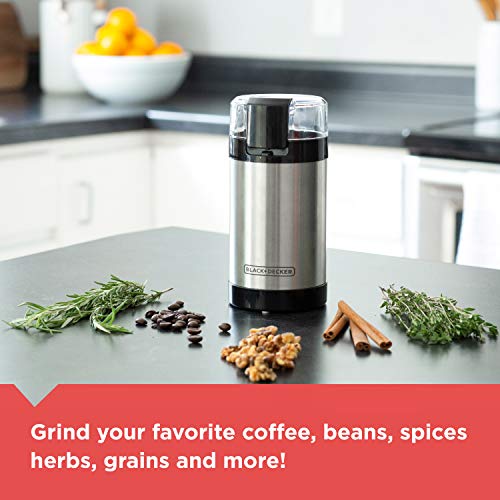
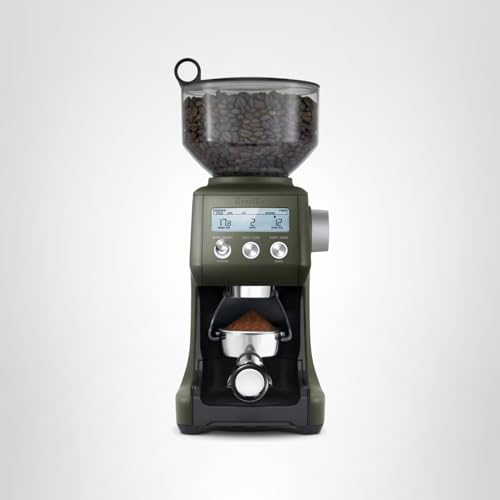
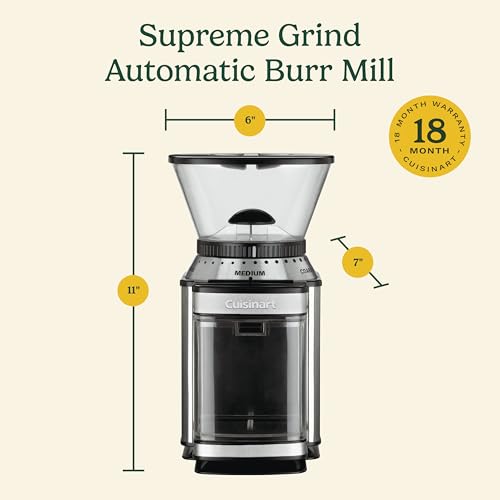
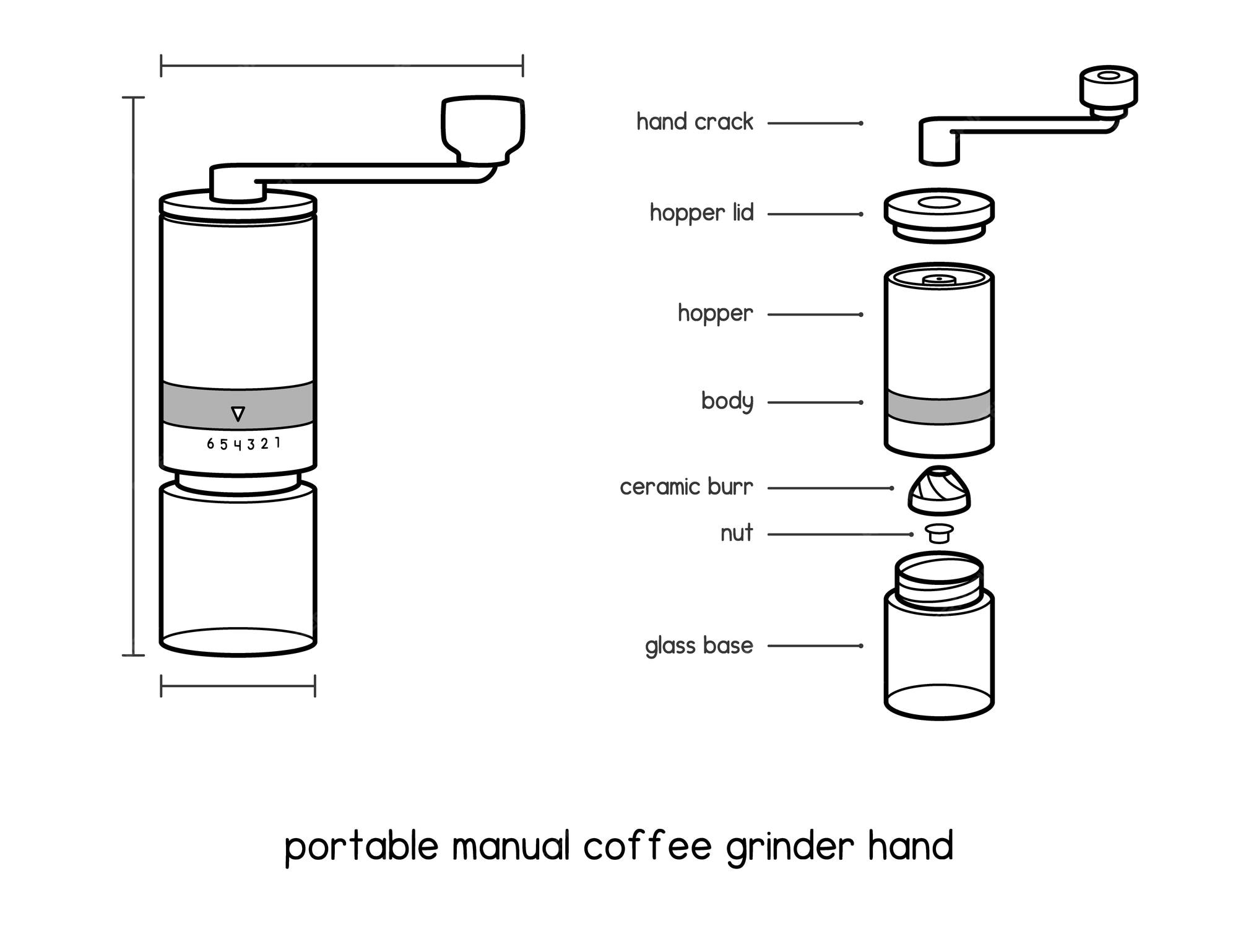
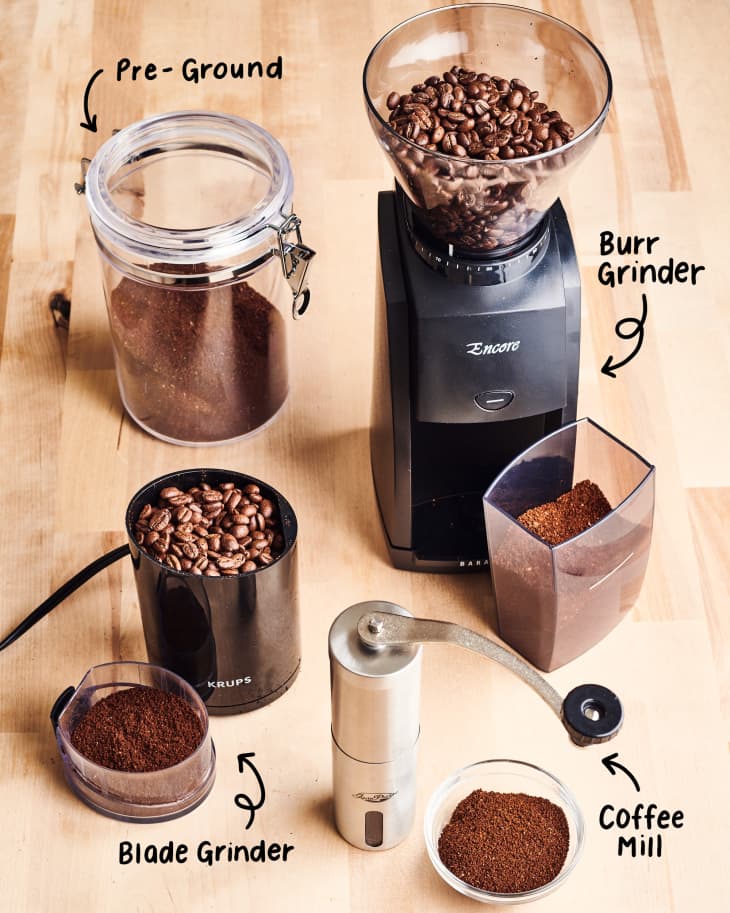
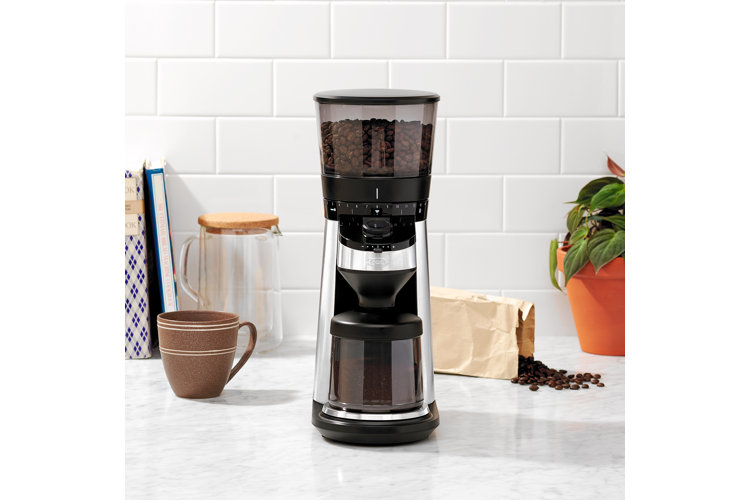
- Burr grinders: Most consistent grind and preferred by pros and enthusiasts. They come in flat and conical burr styles.
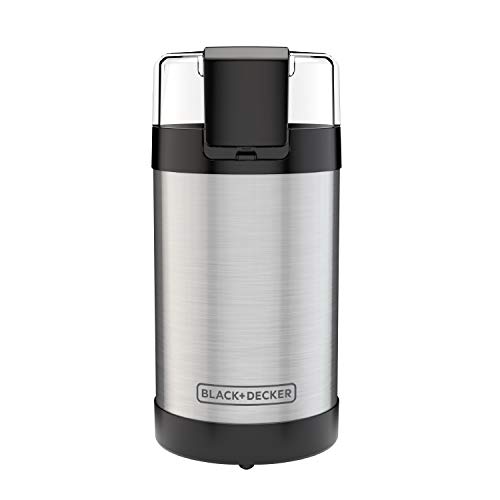
- Blade grinders: Cheap and fast but uneven. Best for drip or coarse use when you’re on a budget.
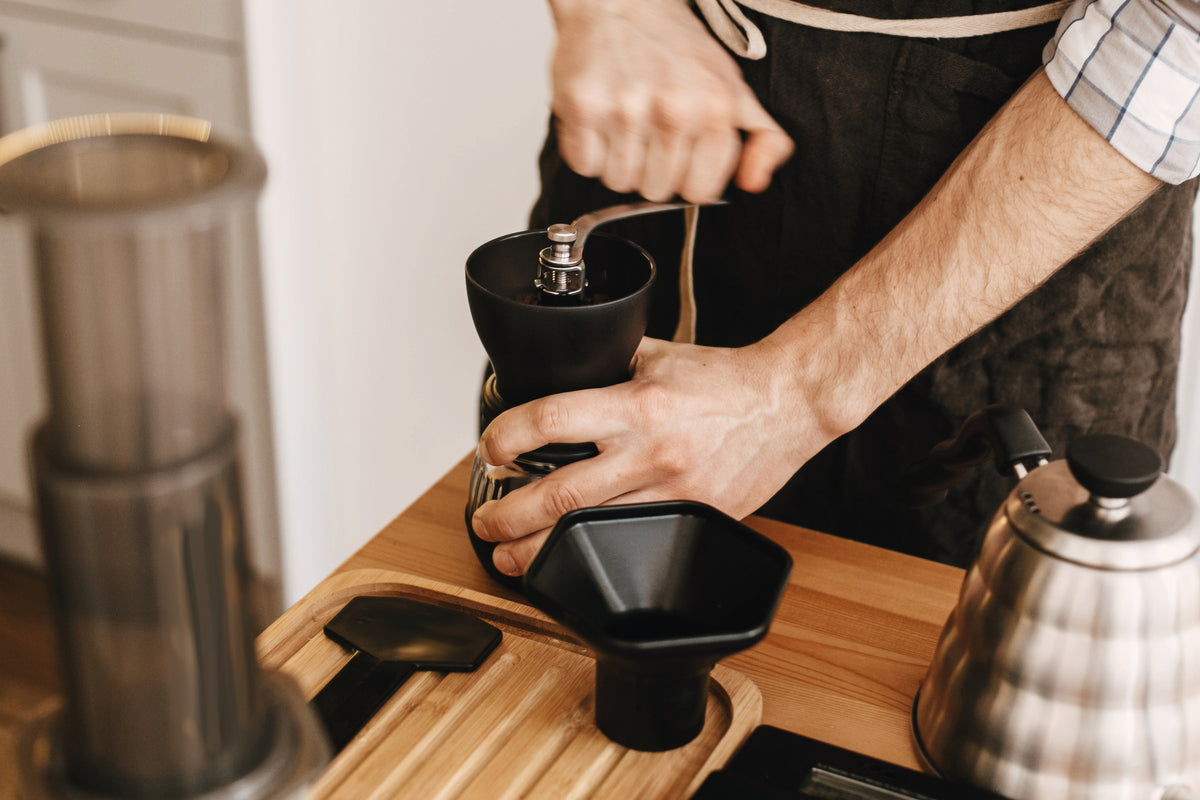
- Manual grinders: Portable and quiet. Good for travel and small doses.
- Commercial grinders: Built for high volume and consistency in cafes.
I started with a blade grinder and moved to a burr grinder after tasting better espresso. The change was night and day. If you want reliable results, learn how to use a coffee grinder that matches your goals.
How to use a coffee grinder: step-by-step
This section explains the simple routine I follow every morning. The steps work for electric burr, manual, or blade grinders, with small adjustments.
- Choose and measure beans
- Pick fresh whole beans roasted within a few weeks. Measure by weight for accuracy. I use 15–18 grams per single espresso and 14–16 grams per cup of pour-over.
- Select grind size
- Set the grind size to match your brew method. Finer for espresso, medium for drip, coarse for French press.
- Set dose or timer
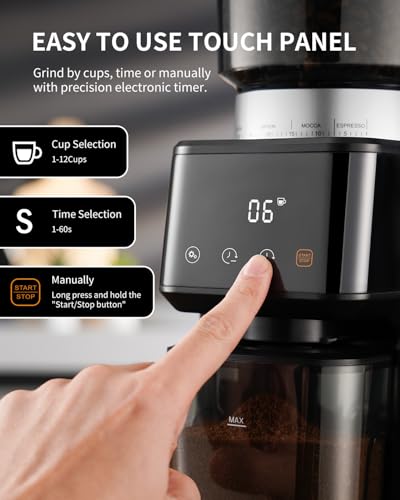
- If your grinder has dosing, set it to your measured dose. If not, grind into a cup or scale and stop at the correct weight.
- Grind in short bursts (if blade) or continuous (if burr)
- For blade grinders, pulse to reduce heat and keep some consistency. For burr grinders, a single steady grind cycle is best.
- Check and adjust
- Look and feel the grounds. If coffee tastes sour, make finer. If it tastes bitter or slow to extract, make coarser.
- Transfer and brew immediately
- Use grounds within minutes for best flavor. Store beans, not grounds, to preserve freshness.
Personal tip: I grind right before brewing. That small step improved my mornings. I also keep a small brush and a scale beside the grinder. They make the routine smooth.
Grind size guide for brewing methods
Matching grind size to your brew method is key to balanced flavor. Here’s a simple guide I use and teach.
- Extra fine — Espresso and Turkish coffee. Feels like powdered sugar. Use with high pressure or very fine immersion.
- Fine — Aeropress (short brew), Moka pot. Feels like table salt.
- Medium-fine — Pour-over cones and Chemex (medium), drip coffee makers. Feels like sand.
- Medium — Automatic drip machines and some pour-over setups. Slightly coarser sand.
- Medium-coarse — Immersion pour-over, Aeropress (long brew). Larger grains, like rough sand.
- Coarse — French press and cold brew. Chunks and pebbles, not dusty.
When I switched grind sizes for my pour-over, I could taste brighter fruit or deeper chocolate notes. Small changes make big differences. Adjust by one click on your burr grinder and taste the change.
Dosing, timing, and consistency tips
Good coffee is repeatable coffee. Consistency beats random tweaks. These are practical rules I follow.
- Ratio rule — Use a coffee-to-water ratio. A common starting point is 1:16 (1 gram coffee to 16 grams water). Adjust to taste.
- Use a scale — Weigh beans and water. Volume scoops are inconsistent.
- Grind fresh — Grind right before brewing. Oxygen and moisture dull flavors fast.
- Keep dose steady — If a shot pulls too fast, try a finer grind or a bigger dose. If too slow, try coarser or less coffee.
- Note extraction time — For espresso aim 25–30 seconds. For pour-over aim 2.5–4 minutes depending on method.
From my experience, timing and a scale made the biggest improvements. Once you lock ratio and grind, you can tweak flavor easily.

Cleaning and maintenance
A clean grinder gives better flavor and lasts longer. I clean tools weekly and deep clean monthly.
- Daily — Wipe hopper and exterior to remove oils and dust.
- Weekly — Empty hopper and run a small amount of uncooked rice or grinder cleaner if recommended. Brush out grounds from the burrs.
- Monthly — Disassemble burrs if possible and deep-clean with a soft brush and a dry cloth. Avoid water on most burr units.
- Replace parts — Replace burrs when they dull. Signs are inconsistent grind and more fines.
I once waited too long to replace burrs and lost clarity in my espresso. Regular maintenance is cheap compared to replacing the whole grinder.
Troubleshooting common problems
Here are quick fixes for problems I’ve faced and solved.
- Grinder jams
- Remove trapped beans, clear the hopper, and run a few pulses. Check for oily beans or foreign debris.
- Inconsistent grind
- Check burr alignment and wear. Clean the burrs. Use steady, dry beans.
- Overheating
- Grind in short bursts. Let motor rest between long grinds. Manual grinders don’t overheat as much.
- Too fine or too coarse
- Adjust one step at a time. Test and taste. Keep notes of settings and outcomes.
- Strange flavors after cleaning
- Make sure no cleaning product residue remains. Run a small batch of beans through to purge smells.
When troubleshooting, I always change one variable at a time. That helps identify the real cause.

Frequently Asked Questions of how to use a coffee grinder
What grind size should I use for pour-over?
Use a medium to medium-fine grind for most pour-over cones. Adjust finer for faster brewers and coarser if your brew is too slow.
How often should I clean my coffee grinder?
Wipe daily, brush weekly, and deep-clean monthly. More frequent cleaning helps if you roast or use oily beans often.
Can I use a blade grinder for espresso?
Blade grinders are not ideal for espresso because they produce uneven particle sizes. Burr grinders deliver the consistency espresso needs.
How much coffee should I grind per cup?
A good starting point is a 1:16 ratio. For one 12-ounce cup, use about 21 grams of coffee and adjust to taste.
Why does my coffee taste bitter after grinding?
Bitter taste can come from too fine a grind, over-extraction, or stale beans. Try a coarser grind and fresher beans.
Is it okay to grind for multiple servings at once?
You can, but flavor will drop faster once grounds sit. Grind just before brewing for the freshest cup.
Conclusion
You now know how to use a coffee grinder from selecting the right type to dialing in grind size, dosing, and cleaning. Start simple: choose a burr grinder if you can, weigh beans, and grind just before brewing. Track settings and taste changes. Small, steady tweaks lead to big flavor gains. Try these steps today, note what you like, and share your results or questions below.